
Lieferung heute & morgen

Qualitätsgarantie

Willkommens-Angebote freischalten: KOSTENLOSE Lieferung | Bis zu 80 % RABATT | Kostenlose 30-Tage-JoyPlus-Testphase
App herunterladen
Looking to give a room a fresh new look without diving into a complex and costly renovation project? Whether it's the outdated tiles in your kitchen, a bare wall in the living room, or the desire for more peace and quiet in your home office, a quick and straightforward solution is often the answer. Especially for renters or DIY beginners, a no-drill renovation is a crucial factor.
Self-adhesive wall coverings offer a practical way to instantly upgrade your spaces. This guide will walk you through various options for your DIY wall design, from functional acoustic panels to decorative peel and stick tiles.
Before you make a decision, there are a few fundamental aspects to consider to find the right product for your project.
The intended purpose determines the material. If you're looking for a kitchen backsplash, water-resistant and easy-to-clean vinyl peel and stick tiles are an obvious choice. If your goal is to improve room acoustics and reduce echo, self-adhesive acoustic panels are ideal. These often consist of a combination of felt and wood slats, which not only enhance wall soundproofing but also serve as a modern decorative element with a wood look. For purely aesthetic accents, lightweight 3D wall panels made of plastic or plant fibres are a great option.
The most important requirement for a durable application is a suitable surface. The wall must be clean, dry, smooth, and dust-free. Rough surfaces like wood-chip wallpaper or unplastered walls can compromise the adhesive's strength. In such cases, priming or smoothing the wall may be necessary. Always check the manufacturer's instructions for surface preparation.
Self-adhesive products are designed for easy installation. However, the effort can vary. While tile stickers or individual panels can be applied quickly, covering an entire wall requires precise planning and exact cuts. Measure the area carefully and allow for some extra material for cuts and waste. In contrast, products like a self-adhesive transition strip for floors can usually be installed in minutes, creating a clean finish between different types of flooring.
Here is a selection of products designed for various applications in quick home makeovers.

Why It Stands Out: These panels combine two functions: they improve room acoustics with their material combination of wood veneer and a felt backing, while also making a strong visual statement. The slatted 3D wall panels create a modern and warm atmosphere.
Benefits:
Who Is It For? For anyone looking to not only upgrade the look of their home office, living room, or studio but also create a more pleasant sound environment.
View the Acoustic Panels on Joybuy.de
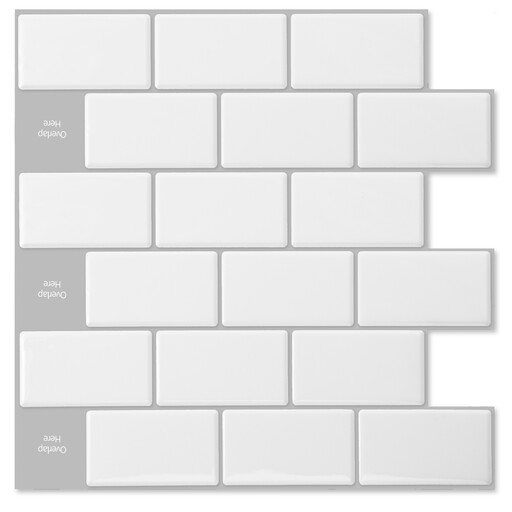
Why It Stands Out: These peel and stick kitchen tiles offer a compelling alternative to real ceramic tiles. Their thicker material and textured surface create a realistic 3D effect that sets them apart from simple tile stickers. The integrated grey grout lines simplify installation and ensure a clean, seamless look.
Benefits:
kitchen backsplash behind the stove or sink.Who Is It For? For renters and homeowners who want to quickly create a new kitchen backsplash or an accent wall in the bathroom (outside of the direct shower area) without the mess.
View the 3D Peel and Stick Tiles on Joybuy.de
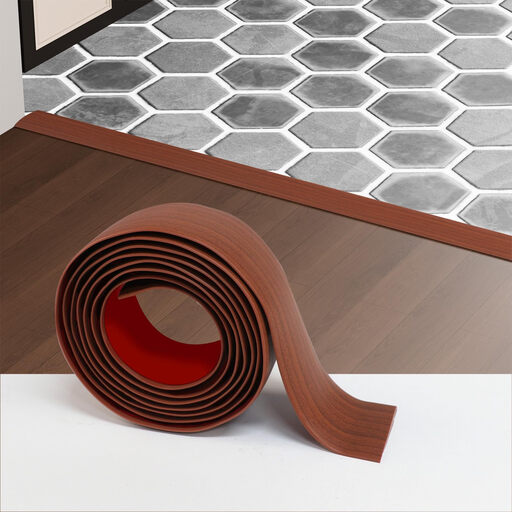
Why It Stands Out: While not a wall product, this self-adhesive transition strip is an indispensable tool for any DIY renovation. It creates clean, safe transitions between different flooring types like laminate, tile, or carpet and conceals unsightly expansion gaps.
Benefits:
Who Is It For? For DIYers who want to create a clean, professional finish between different flooring types after laying a new floor or during a renovation.
View the Transition Strip on Joybuy.de
Now that your walls and floors are shining with a new look, perhaps it's time to optimise your kitchen's functionality as well. Discover a selection of practical helpers and take a look at our Cake Tools.
1. Do self-adhesive wall coverings really stick well? Adhesion depends heavily on the surface. On a smooth, clean, and dry surface (e.g., painted drywall, old tiles), high-quality adhesive products will form a strong and lasting bond. On rough, porous, or dusty surfaces, adhesion will be compromised.
2. Can self-adhesive wall panels be removed? Many products can be removed, often with the help of heat (e.g., from a hairdryer) to soften the adhesive. However, depending on the strength of the adhesive and the condition of the underlying wall, it may leave behind residue or cause damage to the wallpaper or paint. It is advisable to test this in an inconspicuous area first.
3. Are peel and stick tiles suitable for direct shower areas? Most self-adhesive tiles are declared as water-resistant, but not fully waterproof. This means they are excellent as a backsplash behind sinks or in the kitchen, but they should not be used in areas with standing water or constant, direct water exposure, such as inside a shower enclosure. For that, special systems explicitly designated as waterproof are required.