
Lieferung heute & morgen

Qualitätsgarantie

Willkommens-Angebote freischalten: KOSTENLOSE Lieferung | Bis zu 80 % RABATT | Kostenlose 30-Tage-JoyPlus-Testphase
App herunterladen
A dull complexion, uneven skin texture, or clogged pores can be frustrating. A peeling gel often promises a quick fix by removing dead skin cells and revealing a radiant complexion. However, the market is saturated with products whose marketing claims often create more confusion than clarity. Many users invest in products that are either too aggressive for their skin or fail to deliver the desired results.
This guide, created by the Joybuy Product Recommendation Officer, will help you avoid the common pitfalls. We focus on the objective criteria that truly matter, enabling you to make an informed decision on a facial peel that suits your skin type and needs.
Before we turn to the solutions, it's important to understand the most common issues that lead to poor purchasing decisions:
To find the right peeling gel, let the ingredients and mechanism of action guide you, not marketing slogans. Here are the two most important criteria to consider.
A peel can work in different ways. The method determines its effectiveness and suitability for your skin type.
A good peel should not only renew the skin but also nourish it. Look for formulations that contain ingredients to soothe and strengthen the skin barrier. This is especially important to counteract the potentially irritating effects of acids. Ingredients like Centella Asiatica (Cica care), Panthenol (Provitamin B5), Houttuynia Cordata (Heartleaf), or Hyaluronic Acid are excellent indicators. They help to hydrate the skin during and after the peel and minimise redness.
Based on the objective criteria above, we have selected a few products from our range that are suitable for different user profiles.
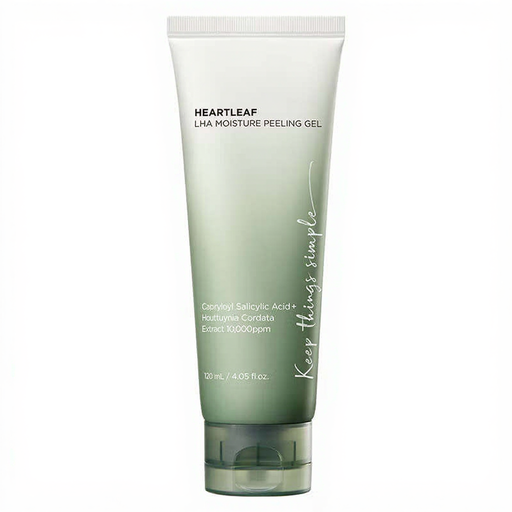
Why This Fits Their Persona: Ideal for those new to peels or with highly reactive skin. The formula is specifically designed to be effective without causing irritation.
It avoids the "misleading gentleness" trap by combining mild LHA with Houttuynia Cordata (Heartleaf) extract, which is known for its soothing properties and reduces redness during application.
Its dual-action mechanism of chemical (LHA) and mechanical (cellulose) exfoliation effectively removes dead skin cells, while the moisturising formula prevents the skin from drying out.
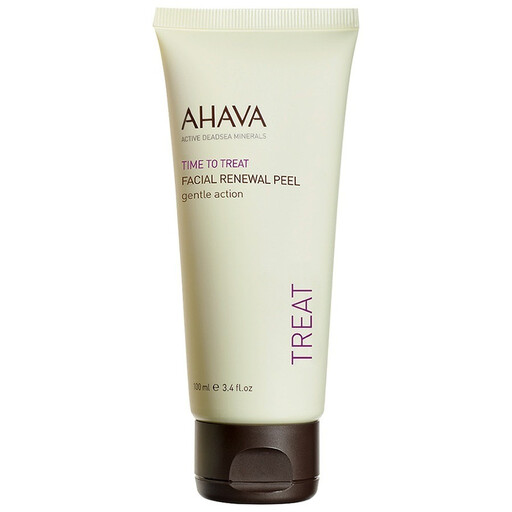
Why This Fits Their Persona: Suitable for experienced users with non-sensitive skin who are looking for an intensive treatment to combat a dull complexion, uneven texture, and fine lines.
This product is transparent about its mechanism. It clearly names the included acids (AHA & BHA) and even provides an explicit warning in the instructions about the need for sun protection, underscoring its potent formulation.
The combination of Glycolic Acid (AHA) and Salicylic Acid (BHA) provides comprehensive renewal: AHA works on the surface for increased radiance, while BHA deep-cleanses the pores. The Osmoter complex, with minerals from the Dead Sea, simultaneously provides hydration.
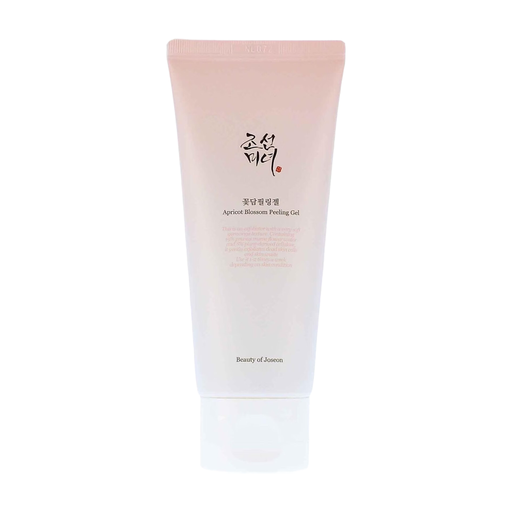
Why This Fits Their Persona: Perfect for fans of Korean skincare looking for a traditional gommage peel with gentle yet visible results. It is suitable for most skin types aiming to refine texture.
It debunks the "gommage illusion" by not relying solely on the mechanical effect. The formula contains 19% Prunus Mume flower water and 8% plant-derived cellulose, which hydrate and soothe the skin during the peel, rather than just scrubbing it.
The plant-based formula minimises skin irritation. It effectively removes dead skin cells and excess sebum, leading to a soft and hydrated feel. It can be used on both the face and body.
The frequency of use depends heavily on your skin type and the product's strength. As a general guideline:
Caution is advised here. Using a peel (especially a chemical one with AHA/BHA) at the same time as other potent active ingredients like retinol, high-concentration Vitamin C, or other acids can overwhelm the skin, leading to redness, dryness, and a damaged skin barrier. A safer approach is to alternate their use, for example, using the peel one evening and retinol the next.
No, this is a common misconception. The resulting particles are a mixture. They mainly consist of the gel's cellulose or acrylate polymers, which clump together upon contact with the oils on your skin. While being massaged, these clumps pick up loose dead skin cells and surface debris. Therefore, the amount of pilling is not a direct indicator of how much dead skin you have.