
Lieferung heute & morgen

Qualitätsgarantie

Willkommens-Angebote freischalten: KOSTENLOSE Lieferung | Bis zu 80 % RABATT | Kostenlose 30-Tage-JoyPlus-Testphase
App herunterladen
A peeling serum face can complement your daily routine if you’re dealing with rough skin, visible blackheads or excess sebum. However, choosing the right one isn’t straightforward: terms like “glow”, “pore refining” or “30-day results” tell you very little about the actual formulation or how to use it properly. What really matters are the type of acid, its concentration, how well your skin tolerates it, and clear usage instructions.
A serum with 30% AHA and BHA isn’t automatically right for beginners or sensitive skin. A stronger acid combination may require a shorter contact time and less frequent application. So when making your decision, it’s not just the percentage that counts, but also the product type, pH level, contact time and safety warnings.
Even a face serum peeling that’s marketed as gentle can be uncomfortable on dry, irritated or damaged skin. Fragrances, essential oils, alcohol or several acids in one formulation can affect how well your skin tolerates it. The full INCI list on the packaging is what you should rely on.
AHA, BHA and PHA products shouldn’t be mixed with other acids, retinoids or heavily fragranced products without a plan. Too many active products make it harder to work out the cause if redness or stinging occurs. Starting slowly with a single exfoliating serum is much clearer.
Check whether the product is intended as a leave-on serum, a rinse-off peeling solution or a night treatment. A mild product might be used several times a week, for example, while a highly concentrated chemical peeling face is usually intended for just once or twice a week. You shouldn’t deviate from the manufacturer’s instructions.
Centella asiatica, panthenol, glycerin or hyaluronic acid are common accompanying skincare ingredients. They don’t replace a tolerance test, but they can make the formulation more interesting for certain routines. With a serum for blemishes or serum for blackheads, you should also check the INCI list for alcohol, fragrances and essential oils, especially if you have sensitive skin.
During the day, a suitable sunscreen is advisable, as exfoliating acids can make your skin more sensitive to sunlight. An acid product should not be used on damaged, severely irritated or sunburnt skin.
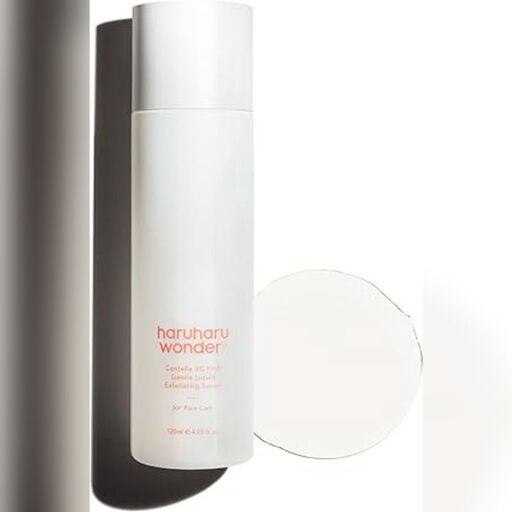
Why this product suits the profile: The stated 3% PHA formulation and the recommended use of up to three times a week offer a clear starting point for a regular peeling routine.
The acid group and concentration are clearly stated. The application is described for dry skin in the evening, followed by a moisturiser.
PHA, Centella asiatica and orange water; 120 ml content, plus vegan and cruelty-free product claims.
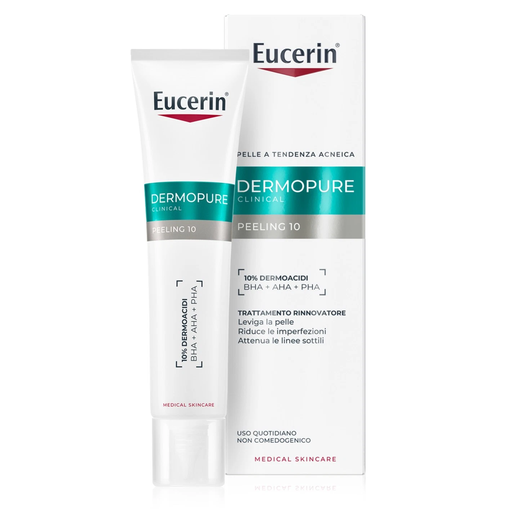
Why this product suits the profile: According to the product details, this night treatment combines AHA, BHA and PHA in a stated 10% acid complex and is aimed at oily, blemish-prone skin.
The use as a rinse-off evening treatment is clearly described. This makes it easier to fit the contact time into a controlled routine.
AHA, BHA and PHA; described as a fragrance-free and non-comedogenic formulation.
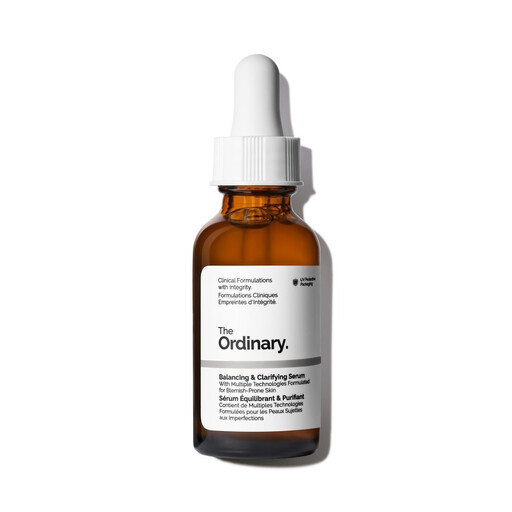
Why this product suits the profile: If you’re first looking for a clarifying serum without a stated AHA, BHA or PHA peeling function, you get an alternative routine for daily facial care.
According to the INCI, the formulation contains potassium azeloyl diglycinate, carnitine and ectoin, among other ingredients, but no stated salicylic or glycolic acid.
Vegan product claim, liquid serum consistency and use morning or evening as described.
We’ve put together a complete, regularly updated list of products that fully meet these strict selection criteria and the safety regulations in force in the EU.
If redness, strong stinging or visible irritation persists, stop using the product. For pronounced or recurring skin problems, it’s a good idea to seek dermatological advice.
That depends on the acid type, concentration and product form. A PHA serum may be intended for up to three times a week according to the manufacturer, while a highly concentrated AHA-BHA product should only be used once or twice a week. Always follow the instructions on the specific product.
BHA products are often chosen for oily skin, the T-zone and visible blackheads. However, a BHA serum is not a substitute for dermatological treatment. If you have sensitive or irritated skin, you should start using it very slowly.
Many cosmetic products carry a symbol for the period of use after opening, such as 6M or 12M. You should also check the best-before date, batch number and any instructions on the packaging. If the smell, colour or consistency changes noticeably, you should stop using the product.