
Lieferung heute & morgen

Qualitätsgarantie

Willkommens-Angebote freischalten: KOSTENLOSE Lieferung | Bis zu 80 % RABATT | Kostenlose 30-Tage-JoyPlus-Testphase
App herunterladen
If you’re looking to buy PELLIOT hiking boots, you’ll find models designed for day hikes, camping, travel and more demanding routes. Product pages often mention terms like waterproof, breathable or particularly robust. However, these details are only helpful if they match your intended use and your foot shape.
Three common buying mistakes frequently lead to the wrong purchase when it comes to hiking boots:
Shoe size should be chosen based on foot length in millimetres, not just your usual EU size. For the PELLIOT Hiking Boots for men, the size chart ranges from 39 to 45, for example:
| Foot Length | EU Size | |---:|---:| | 245 mm | 39 | | 255 mm | 41 | | 265 mm | 43 | | 275 mm | 45 |
If you fall between two sizes, the product information suggests trying the larger size. Hiking socks also affect the space you need. Measure both feet in the evening, wear the socks you intend to use, and leave roughly a thumb’s width of room in front of your toes.
This applies to both waterproof hiking boots for men and hiking boots for women. For women’s models, the available information lists sizes 35 to 39 with foot lengths from 225 to 245 mm.
On the PELLIOT models described in detail, the upper is made from abrasion-resistant synthetic material. The inner lining is specified as a breathable and waterproof membrane. This combination is intended for changeable weather, damp forest paths and short stream crossings.
“Breathable” does not mean your foot will stay dry under every level of exertion. Heat, sweat, high humidity and unsuitable socks all affect the foot climate. For longer hikes, technical hiking socks are a good idea. After a wet walk, clean your boots with a damp cloth and mild soap, and dry them away from direct heat. Machine washing and tumble drying are not recommended according to the product information.
A rubber sole with a pronounced tread can offer more grip on loose gravel, mud and uneven terrain than a flat casual sole. The PELLIOT Hiking Boots described feature a specialised lug pattern. They also have a toe cap and an abrasion-resistant upper.
For easy trails and travel, low-cut outdoor shoes for men may be sufficient. On scree, longer trekking routes or mixed terrain, a higher collar can provide more protection from dirt and help prevent ankle rolls. However, this alone does not replace careful foot placement. For exposed high-altitude routes or climbing sections, check the technical requirements of the specific route; not every mountain hiking boot is suitable for crampons or alpine climbing moves.
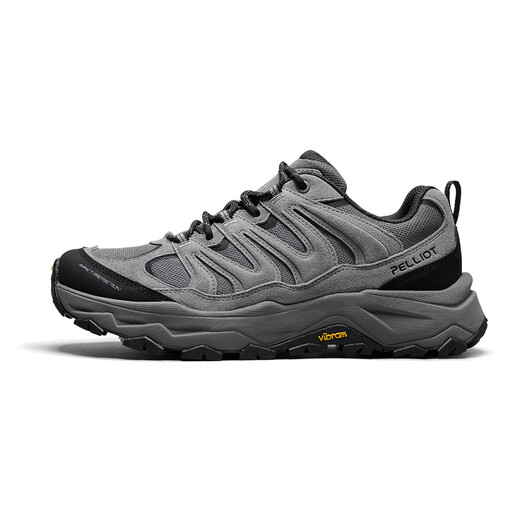
Why this product fits the profile: The lower-cut design is suitable for walks, easy trails, camping and travel when you’re looking for a relatively straightforward outdoor shoe. The available EU size 41 should be checked against your own foot length before purchase.
The specific size information makes it easier to compare. Measuring your foot length before ordering remains important, so you don’t blindly rely on your everyday shoe size.
Low-cut silhouette and dark synthetic upper for versatile everyday and outdoor use.
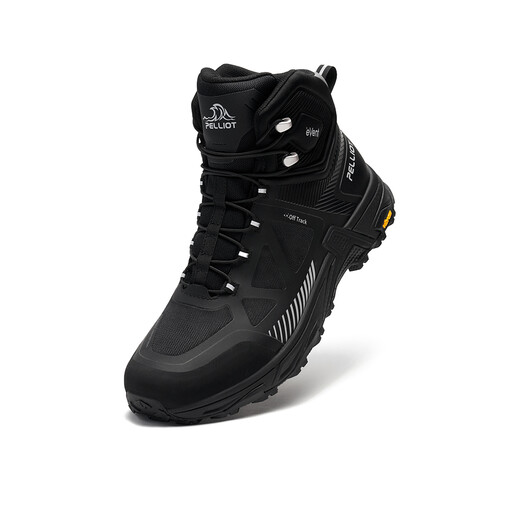
Why this product fits the profile: The higher collar, the described waterproof membrane, the toe cap and the profiled rubber sole concept suit longer trekking routes and varied terrain.
The product description lists specific construction features rather than just general marketing claims: membrane, abrasion-resistant upper, toe protection and a treaded sole.
Collar construction, waterproof-rated membrane and rubber sole with specialised tread; EU sizes 39 to 45 are listed.
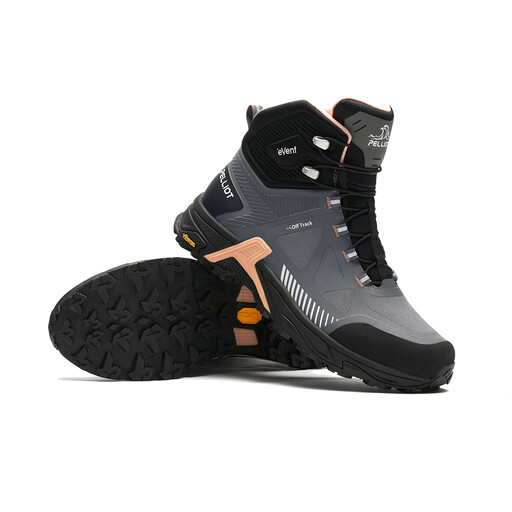
Why this product fits the profile: This women’s model with a higher collar is aimed at those who prefer more coverage than flat outdoor shoes for camping, travel and walks.
The size chart lists foot lengths from 225 to 245 mm. This reduces the risk of ordering a women’s size based only on your usual habit.
High-top design, abrasion-resistant synthetic material, toe protection, waterproof-rated membrane and profiled rubber sole.
We’ve put together a complete, regularly updated list of products that fully meet these strict selection criteria and the safety regulations in force in the EU.
Even robust trekking boots will stay functional for longer if you look after them properly:
The models described in detail feature a waterproof membrane and a rubber sole with tread, according to the product information. This can be suitable for damp paths, mud and changeable weather. However, waterproofing also depends on care, wear, water entry at the collar and the duration of water exposure.
Measure your foot length in millimetres while standing and compare it with the relevant PELLIOT size chart. Take hiking socks and extra toe room into account. If your measurement falls between two sizes, the larger size is recommended for the models mentioned.
The PELLIOT models described are offered for trekking, camping, travel and more challenging terrain. For technical climbing sections, crampons or high-alpine routes, you must check the requirements of the specific tour and the boot features intended for that purpose. For normal hiking trails, scree and longer outdoor trips, profiled hiking boots can be a suitable choice, provided the fit and intended use are right.