
Lieferung heute & morgen

Qualitätsgarantie

Willkommens-Angebote freischalten: KOSTENLOSE Lieferung | Bis zu 80 % RABATT | Kostenlose 30-Tage-JoyPlus-Testphase
App herunterladen
If you’re looking for PELLIOT men’s hiking shoes, you’ll often come across several visually similar models in black or dark grey. However, the key differences aren’t just about colour. Fit, intended use and the actual product specifications determine whether a shoe is suitable for gentle paths, trekking, mountain hikes or more demanding routes.
A high shaft or a closed upper doesn’t automatically mean a shoe is waterproof. Buyers should check whether the retailer explicitly mentions a membrane, a water column rating or a comparable specification. If no concrete information is provided, the shoe shouldn’t be relied upon as permanently waterproof.
A visible lug pattern can be helpful on forest trails. However, for scree, wet rock or exposed mountain paths, tread layout, sole stiffness and lateral support also matter. Marketing terms like “Mountain” or “Climbing” don’t replace a careful check of the intended use.
Many people wear thicker hiking socks with men’s walking shoes. Your toes also need a bit of room when going downhill to avoid hitting the front. Ordering only your standard shoe size risks pressure points or a fit that’s too loose. The available options from hiking shoes size 41 to hiking shoes size 44 make selection easier, but don’t replace measuring your foot.
Measure both feet in the evening, wearing the socks you plan to use on your walks. Base your choice on the larger foot and compare the result with the size chart for the specific product. There should be a little wiggle room in the toe area, while your heel should slip as little as possible when walking.
For many buyers, hiking shoes size 42, hiking shoes size 43 or hiking shoes size 44 are particularly relevant search options. However, the size number alone doesn’t tell you about the width. That’s why you should try the shoes on indoors first, with realistic hiking socks.
Look for specific details about the outsole, cushioning and upper material. If technical specifications are missing, don’t assume features like slip resistance, waterproofing or particularly good breathability. After a walk, remove any dirt and dry the shoes according to the manufacturer’s instructions. Direct heat, such as from a radiator, can damage materials and adhesives.
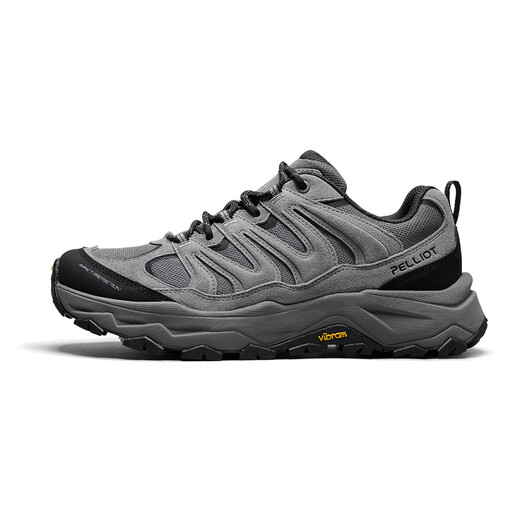
Why this product fits the profile: The dark grey variant in size 41 offers a clearly identifiable choice for anyone looking for a men’s walking shoe for easy walks and everyday use.
The specific size and colour information prevents you from ordering based on a vague product image alone. Features not stated, such as waterproofness, are not assumed.
Dark grey finish; stated size 41; suitable for targeted selection based on fit and appearance.
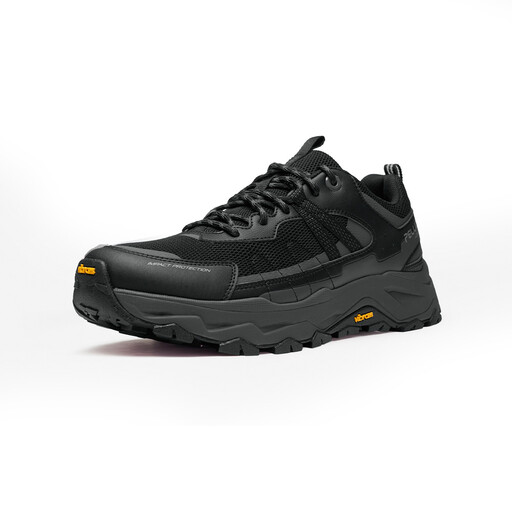
Why this product fits the profile: The black variant in size 43 is aimed at buyers who want to compare a clearly named combination for trekking and mountain walks.
The name indicates hiking and mountain climbing, but this doesn’t replace checking the specific sole and shaft details for your planned activity.
Black colour variant; size 43; product name categorises the model for hiking and mountaineering.
Why this product fits the profile: Size 42 and the black finish are practical for users who want to select PELLIOT trekking shoes by shoe size for regular walks.
The exact size reduces confusion between similar variants. For mountain tours, buyers should also check the sole, fit and any usage limits stated by the seller.
Black model; stated size 42; category name for hiking and mountain climbing.
For a longer foot or more room with thick socks, the PELLIOT Hiking shoes Men Dark grey 44 variant is also available. If you’re weighing up between black walking shoes and dark grey walking shoes, choose the colour based on care requirements and personal use: dark surfaces show dust and wear differently, but say nothing about the technical features.
Before ordering, it’s a good idea to compare the product name, size, colour, what’s included and the returns policy. This helps avoid confusing a similar image with a different size variant.
We’ve put together a complete, regularly updated list of products that fully meet these strict selection criteria and the safety regulations in force in the EU.
That depends on the specific model and the terrain. For technical mountaineering, details about sole stiffness, shaft, protection and, where applicable, crampon compatibility must be provided. A product name with “Mountain Climbing” alone isn’t enough for this assessment.
Measure both feet with the hiking socks you intend to wear, and choose based on the larger foot. There should be a little space between your toes and the end of the shoe. Also check that your heel sits securely when walking and that the forefoot isn’t squeezed from the sides.
It’s not possible to give a reliable general lifespan. It depends on the terrain, your weight, care, moisture and how often you use them. Regularly check the tread, seams, sole bonding and inner lining. If you notice visible damage or a clear loss of grip, the shoes should be replaced.