
Lieferung heute & morgen

Qualitätsgarantie

Willkommens-Angebote freischalten: KOSTENLOSE Lieferung | Bis zu 80 % RABATT | Kostenlose 30-Tage-JoyPlus-Testphase
App herunterladen
If you’re looking to buy PELLIOT running shoes, you’ll find models for road running, long distances and changing terrain. Lightweight materials, EVA cushioning and a grippy outsole can all be useful for everyday running. The key is choosing features that suit your running style, foot shape and the surfaces you run on.
Lightweight running shoes can feel comfortable during training. However, low weight alone tells you little about stability, tread or durability. Asphalt, woodland paths and rocky sections all have different demands. An especially airy upper, for example, may suit warm days but offer less protection from wet weather and branches.
Terms such as “Performance”, “Grip” or “Cushioning” don’t automatically tell you how a shoe is actually made. Check whether the model has an EVA midsole, a breathable mesh upper and a clearly specified rubber outsole. For the ROCKYTEC sole, also check that the version you want actually includes it. According to the product description, additional branded soles such as Vibram Megagrip are only available on selected versions.
A shoe may feel right when you’re standing still but still cause pressure points over longer distances. There should be enough room for your toes to move. At the same time, your heel shouldn’t slip noticeably when you walk. PELLIOT models match foot lengths in millimetres to European sizes. This chart is more precise than relying solely on a shoe size you bought previously.
The reference models are available as unisex running shoes and as men’s models. According to the product description, there’s a standard fit for most foot shapes and a narrower version for slim feet. If you have a wider forefoot, carefully check the internal measurements and returns policy before buying.
These steps can help when trying on shoes:
For example, the supplied chart matches a foot length of 265 mm to EU size 43 and 270 mm to EU size 44. These figures can’t replace trying the shoes on, but they can help you narrow down your options.
According to the product description, PELLIOT models feature a high-rebound EVA midsole. EVA is a lightweight foam that compresses as your foot lands and then partially returns to its original shape. For road running and longer training sessions, this type of midsole can offer a good balance of weight and comfort.
However, cushioning shouldn’t be considered in isolation. On very soft woodland paths, a grippy outsole may matter more than maximum softness. If you mainly run on asphalt, look for an even sole construction and a secure heel fit. A cushioned running shoe is also no substitute for professional medical advice if you have an existing condition.
For running shoes for roads and trails, the outsole is a key consideration. According to the product description, the ROCKYTEC rubber sole is abrasion-resistant and designed to help prevent slipping on wet rocks, mud and loose sand. This doesn’t mean you’ll get the same grip on every surface. Wet weather, fallen leaves, ice and steep slopes can all make conditions considerably more challenging.
The sandwich mesh and woven upper is designed to allow airflow and release moisture. Selected versions also have a TPU film reinforcement for added abrasion protection. Breathable running shoes can be practical for summer training runs. In rainy or cold weather, however, you’ll also need to consider your socks and clothing.

Why this product suits this profile: This unisex model in EU 43 is aimed at runners looking for a versatile shoe to get started with road and trail running.
The product description names specific materials such as sandwich mesh, EVA and ROCKYTEC rubber, rather than relying on vague claims about comfort.
EVA midsole, breathable upper and treaded ROCKYTEC outsole, according to the product details.
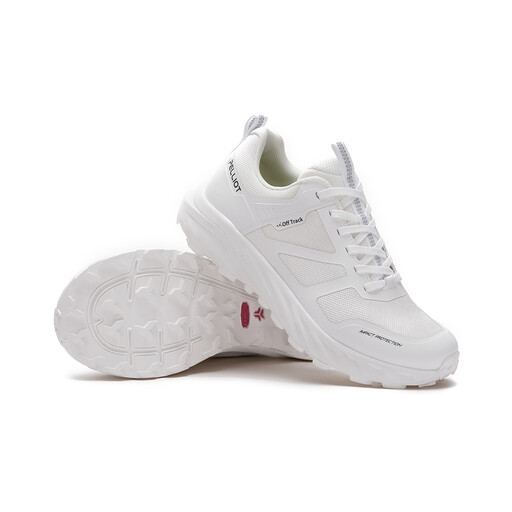
Why this product suits this profile: The EU 37 version may appeal to runners and active people who value an airy upper and clearly specified materials.
The EU 37 size is matched to a stated foot length of 235 mm, so you’re less reliant on general size recommendations.
Sandwich mesh and woven upper; EVA foam and ROCKYTEC rubber sole, according to the product description.
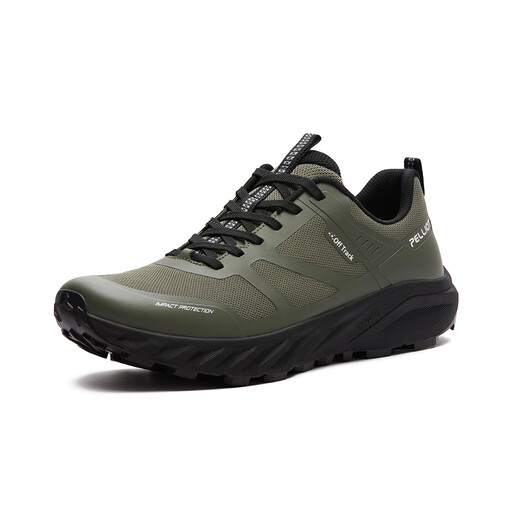
Why this product suits this profile: This men’s model in EU 42 is aimed at runners looking for a lightweight shoe for regular road runs and longer training sessions.
This version combines details about cushioning, ventilation and the outsole, so you don’t have to judge its suitability for your planned use by the product name alone.
Stated EVA cushioning, breathable upper and sizes up to EU 45, according to the product description.
How long your shoes last depends on how often you run, your body weight, the surface, the weather and how well you look after them. There’s no single mileage figure that applies to every runner. Check regularly:
The product description recommends hand-washing with mild soap and cold water. Leave the shoes to air-dry rather than placing them directly on a radiator. Machine washing, tumble-drying and ironing can put strain on the materials and bonded sections.
We’ve put together a complete, regularly updated list of products that meet these strict selection criteria and fully comply with the safety regulations in force in the EU.
According to the product description, the models listed are designed for routes that move between road and trail, and for changing surfaces. For technical mountain paths, ice or particularly challenging alpine routes, compare the tread with the specific conditions you’ll encounter.
Measure your foot length in millimetres and compare it with the size chart for the model you’re interested in. For example, 265 mm corresponds to EU 43, while 270 mm corresponds to EU 44. You should also take sock thickness, toe room and heel fit into account.
It’s worth replacing your shoes when the tread, cushioning, seams or stability have noticeably deteriorated. How long they actually last depends on your training volume and the surfaces you run on. Regularly checking their appearance and fit is more useful than following a set timeframe.