
Lieferung heute & morgen

Qualitätsgarantie

Willkommens-Angebote freischalten: KOSTENLOSE Lieferung | Bis zu 80 % RABATT | Kostenlose 30-Tage-JoyPlus-Testphase
App herunterladen
Lightweight running shoes should not weigh you down during training; breathable running shoes need to wick away heat and moisture; and cushioned running shoes must remain stable enough. With PELLIOT running shoes, you’ll find models for roads, paved paths and mixed terrain. However, what really matters isn’t just the product description – it’s the fit, the outsole and the specific purpose you have in mind.
A low weight can feel great on asphalt and flat paths. For shoes intended for uneven terrain, you also need to consider the tread pattern, abrasion resistance and lateral support. An especially airy upper may offer less protection against branches or stone contact on rocky trails.
A soft or springy midsole isn’t automatically right for every running style. The fit, the width in the forefoot and the torsional rigidity all affect how secure the shoe feels. On longer runs, you need enough room for your toes without your heel slipping.
EU sizes can vary between brands and cuts. For the PELLIOT models featured here, the fit is described as true to size. Even so, it’s a good idea to compare with your foot length in millimetres. Your longest toe shouldn’t touch the front, and your foot shouldn’t slide forward inside the shoe.
Sandwich mesh and woven textiles allow air to circulate relatively well. That’s practical for city runs, fitness sessions and long distances. According to the product description, some variants also include a TPU film for reinforcement. This can make the upper more resistant to abrasion, but it may reduce breathability in those areas.
If you mostly run on paved paths in warm weather, you’ll probably prefer a very airy upper. For forest trails and rocky sections, extra reinforcement makes sense. No waterproof membrane is mentioned in the available details, so these shoes shouldn’t be relied upon as waterproof running shoes.
The PELLIOT models use a highly elastic EVA midsole. According to the product description, it’s designed for energy return and shock absorption. These are technical properties of the material, not a promise of a specific mileage or any medical benefit.
For asphalt and park paths, EVA cushioning can offer a balanced mix of comfort and weight. On gravel or uneven ground, you should also pay attention to grip and a secure fit. A heavily cushioned construction doesn’t replace the right shoe size.
The selected models feature a ROCKYTEC rubber outsole. According to the product description, it’s designed for grip and abrasion resistance, and is intended for wet rocks, mud and loose sand. Some variants also mention Vibram Megagrip, but that doesn’t apply to every version.
This makes the shoes interesting as road-to-trail running shoes: they’re suitable for everything from pavements to natural paths. On icy surfaces, very steep scree fields or alpine climbing sections, you should choose specialist equipment designed for that purpose. Non-slip running shoes don’t guarantee secure footing in all weather conditions.
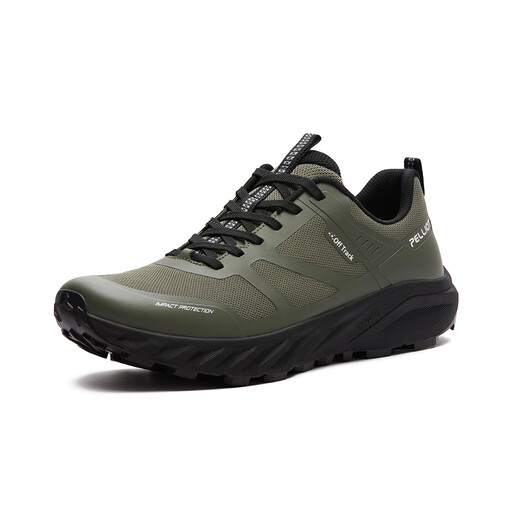
Why this product fits the profile: This men’s model in EU 43 is aimed at runners looking for a lightweight shoe for roads, park paths and occasional transitions onto paved nature trails.
The product details mention specific materials, an EVA midsole and a rubber outsole, rather than just general comfort terms. The size guide allows you to check against your foot length.
Sandwich mesh and woven upper; EVA midsole; ROCKYTEC rubber outsole according to the product description.

Why this product fits the profile: This unisex version in EU 44 is interesting for buyers who want to compare material construction, surface suitability and available fit options in detail.
Standard and slim versions are listed for different foot shapes. Also note the possible TPU film reinforcement on some variants.
Unisex cut; EVA midsole; ROCKYTEC tread for different surfaces according to the product description.
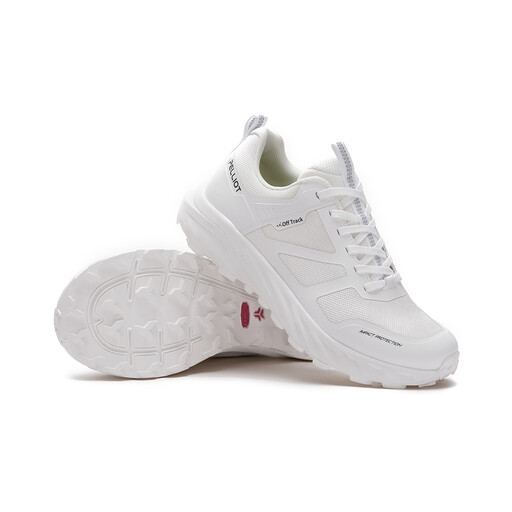
Why this product fits the profile: This model in EU 38 is suitable for users looking for an airy unisex running shoe for regular training, everyday wear and paved trail sections.
The details distinguish between standard and slim versions. This lets you base your choice more on foot width than just colour or design.
Lightweight sandwich mesh; liner-free construction for airflow; EVA cushioning and rubber tread according to the product description.
Before you buy, it’s best to measure your foot length while standing and wearing the socks you’ll use for running. For narrow feet, the slim version may be a better choice; for normal or wider feet, the standard version is recommended. The size guide ranges from EU 35 to EU 45, depending on the model.
For care, the product description recommends hand washing with mild soap and cold water. After that, the shoes should be air-dried away from direct heat. Tumble dryers, irons and strong heat can damage materials and adhesive bonds. The actual lifespan depends on factors such as body weight, running surface, training volume, rotating between several pairs of shoes and storage conditions. A specific mileage cannot be derived from the product data.
We’ve put together a full, regularly updated list of products that fully meet these strict selection criteria and the safety regulations in force in the EU.
The models are described as having a lightweight construction, EVA midsole and breathable upper. Whether they’re suitable for long distances also depends on the fit, your individual running style and the surface. Before a long run, you should break them in on shorter sessions first.
According to the product description, the ROCKYTEC outsole is designed for wet rocks, mud and loose sand. This makes the models suitable for light to moderate trail and road-to-trail routes. For technical mountain paths or extreme conditions, you should carefully compare the specific sole construction with the intended use.
Hand washing with mild soap and cold water is recommended. The shoes should then be air-dried at room temperature. According to the product details, direct heat sources, ironing and machine drying should be avoided.