
Lieferung heute & morgen

Qualitätsgarantie

Willkommens-Angebote freischalten: KOSTENLOSE Lieferung | Bis zu 80 % RABATT | Kostenlose 30-Tage-JoyPlus-Testphase
App herunterladen
If you’re looking for PELLIOT women’s hiking boots, you’ll find styles for a range of activities, from gentle walks and travelling to challenging routes over loose stones, mud and uneven ground. Product names include high-top hiking boots, hiking boots with Vibram outsoles and waterproof styles.
The key thing, however, is not just what a shoe is called. A boot may be marketed as ‘outdoor’ or ‘hard-wearing’ and still be unsuitable for the terrain, foot shape or weather conditions you have in mind. The following points will help you assess product claims objectively.
A waterproof membrane can help prevent water from getting in. But it can’t replace proper care, sealed seams or a suitable shaft height. In heavy rain, water can also enter the boot from above. So check whether the product description specifically mentions a waterproof membrane, or simply says ‘water-repellent’.
PELLIOT’s high-top styles are described as having a breathable, waterproof membrane in the lining. This is a specific material detail, but it isn’t a guarantee for every weather condition or level of use.
Deep lugs can be useful on loose ground. But grip on smooth indoor surfaces or wet rock also depends on the rubber compound, lug pattern, wear and your walking technique. The term non-slip hiking boots should therefore be taken as an indication of the sole design, not an absolute guarantee.
PELLIOT hiking boots with a Vibram outsole are described as using a Vibram sole. If you need a particular tread pattern, check the product images, size variant and latest product details as well.
Women’s high-top hiking boots offer more material around the ankle and can be useful on stony ground or longer trekking trips. But they aren’t automatically more comfortable. If the shaft is too wide, it may not hold your heel securely; if it’s too tight, it may cause pressure points. Try hiking boots on with the walking socks you plan to wear.
A moderate tread is often enough for woodland paths, travelling and easy day walks. For hillwalking, camping on uneven ground or trekking with a pack, a supportive construction and clearly defined rubber tread are more important. Look for:
For women’s walking boots and hard-wearing women’s trekking boots, the design should suit the intended use. A boot made for technical climbing sections isn’t necessarily the most comfortable choice for flat walking routes.
For women’s waterproof hiking boots, the product description should specifically mention a membrane or a comparable construction. A synthetic, abrasion-resistant upper can help protect the boot from contact with branches and loose stones. On its own, however, this says nothing about breathability or waterproofing.
Care matters too: according to the product information, PELLIOT’s high-top styles should be cleaned with a damp cloth and mild soap, then air-dried away from direct heat. Machine washing and tumble drying can damage the materials and adhesives.
It’s best to measure your foot in the afternoon, wearing the walking socks you plan to use on your trip. The following size information is listed for PELLIOT’s high-top styles:
If your foot length falls between two sizes, the product description recommends choosing the larger size. Your heel and midfoot should also feel secure, while your toes shouldn’t touch the front of the boot when walking downhill.
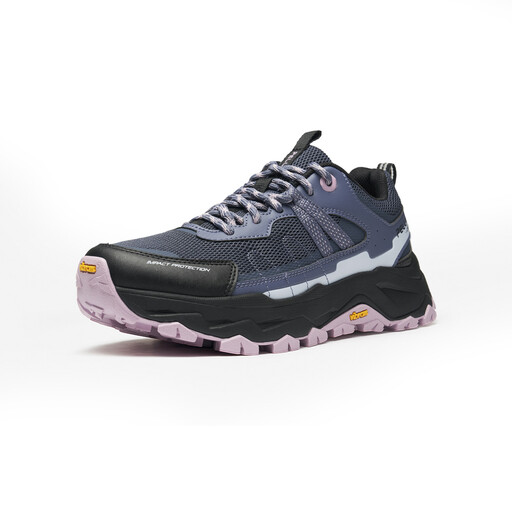
Why this product suits this profile: A low-cut style for beginners, travelling and easy outdoor walks, provided your preferred size is available.
The product name isn’t treated as an unspecified performance claim. Check the intended use and sole tread on the product detail page before buying.
Low-cut design and sporty colour scheme; available in several separate size options.
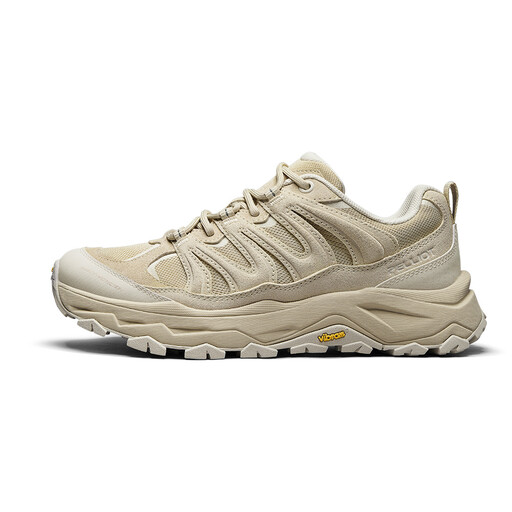
Why this product suits this profile: For buyers who specifically look for a named Vibram outsole and a design intended for hiking and mountaineering.
The sole is named specifically in the product title. Fit, tread and the terrain you’ll actually be walking on still determine how much grip you get.
Vibram outsole according to the product name; designed for hiking and mountaineering.
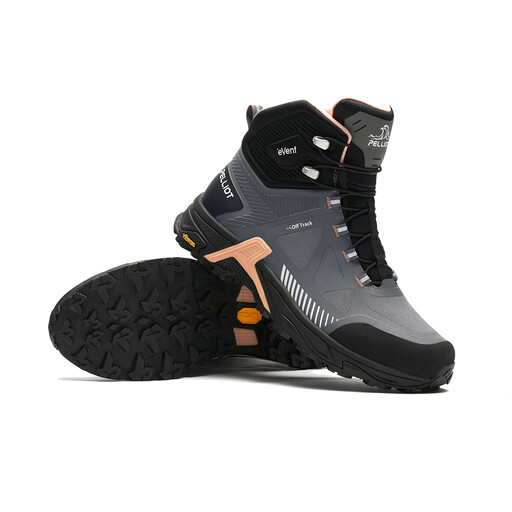
Why this product suits this profile: For longer trekking trips, camping and changing terrain when protection, a high shaft and weather protection are priorities.
A waterproof membrane, abrasion-resistant synthetic material and toe protection are all listed specifically. Even so, try on the higher shaft to make sure it suits you.
Waterproof lining, patterned rubber sole, quick-fastening system and toe cap, according to the product information.
We’ve put together a complete, regularly updated list of products that meet these strict selection criteria and fully comply with the safety regulations in force in the EU.
How long women’s outdoor shoes last depends more on how you use and care for them than on any one marketing claim. Remove any heavy dirt after each muddy walk. Let the shoes dry slowly at room temperature, and avoid radiators, hairdryers and tumble dryers. Check regularly:
Frequent use on tarmac wears down a deep tread faster than mostly walking on woodland and mountain paths. So it isn’t possible to give a general replacement timeframe in months.
Not every style has the same features. The high-top hiking boots are described as having a breathable, waterproof membrane. For other styles, check the relevant product page and distinguish between ‘waterproof’ and ‘water-repellent’.
Measure your foot length in millimetres and compare it with the size chart for the style you’re considering. For the high-top styles mentioned, 240 mm corresponds to EU size 38 and 245 mm to EU size 39. According to the product information, if you’re between sizes, the larger option is recommended.
That depends on the terrain, distance walked, body weight, care and storage. Check the tread, seams and sole bonding regularly. Boots that are visibly worn or damaged should be replaced before challenging walks, regardless of when you bought them.