
Lieferung heute & morgen

Qualitätsgarantie

Willkommens-Angebote freischalten: KOSTENLOSE Lieferung | Bis zu 80 % RABATT | Kostenlose 30-Tage-JoyPlus-Testphase
App herunterladen
Pelliot women’s hiking shoes in sizes 37 to 39 differ by more than colour and collar height. What really matters are the intended use, your foot shape, the tread pattern and how the shoe handles wet conditions. A lightweight shoe for woodland paths has different requirements to a stable women’s mountain boot for scree or longer trekking routes.
If you only look for buzzwords like “outdoor”, “waterproof” or “non-slip”, you can still end up with the wrong model. The following criteria help you separate marketing claims from genuinely relevant product features.
A waterproof membrane can reduce water ingress, but it often affects breathability. In warm weather or on long ascents, a fully closed shoe can feel less airy than a model with a mesh upper. And a membrane won’t protect indefinitely if water runs in over the collar.
So check:
A hiking shoe with a slip-resistant sole shouldn’t be chosen purely by the visible depth of the lugs. For tarmac and well-made paths, a very aggressive tread can roll unnecessarily harshly. On wet rock, mud or loose scree, the rubber compound, lug layout and lateral stability are what count.
Look for a clear description of the intended terrain. Terms like “Wet Rock”, “Mud”, “Loose Gravel” or “Sand” are more useful than a blanket claim about grip.
With women’s hiking shoes, your heel should be securely locked in, while your toes shouldn’t hit the front when walking downhill. A tight fit can quickly feel uncomfortable with hiking socks. A shoe that’s too wide increases the risk of your foot sliding forwards inside.
Measure both feet in the afternoon wearing the socks you’ll use. What matters is your foot length in millimetres, not just your usual EU size. For the Pelliot models listed, for example:
Always refer to the size chart on the product page, as fit and internal length can vary by model.
Standard models can be too roomy for narrow feet; for broader feet, the forefoot mustn’t be compressed sideways. It’s worth trying them on with hiking socks. Lace the shoe so the heel is stabilised without pinching the instep.
With a high-top model, ankle support comes into play. That can be useful on uneven ground, but it also means more weight and less freedom of movement than lightweight hiking shoes.
Mesh and textile uppers are often used on lightweight hiking shoes and trail running shoes. They can improve airflow and reduce weight. Reinforcements made of TPU or abrasion-resistant synthetics are relevant for contact with branches and rocks.
A breathable upper isn’t the same as waterproofing. If you’re often out in rain, wet grass or shallow streams, specifically look for a membrane, water protection and collar height.
An EVA midsole can influence the heel-to-toe transition and cushioning. For longer distances on mixed terrain, the shoe should still offer sufficient torsional stability. For road sections and gentle woodland paths, a more flexible build usually suffices. For demanding terrain, a pronounced tread, toe protection and a more stable construction are more important.
Only take the “Vibram Megagrip” label into account if it’s explicitly stated for that specific version. For the Pelliot running shoe described, it’s only mentioned for selected variants.
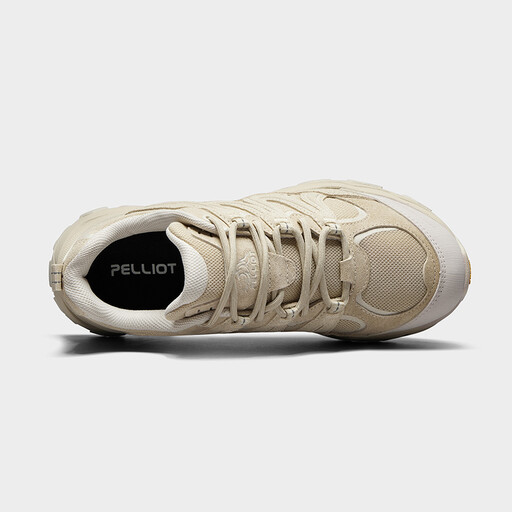
Why this product suits the profile: EU size 38 will appeal to buyers looking for a classic Pelliot hiking shoe for walking paths, camping and light hikes. Before buying, cross-check your foot length with the size chart.
The specific size is clearly indicated. Claims about waterproofing or special soles should be checked directly on the product page and not inferred from the name.
Khaki finish and EU size 38 available; suitable for a straightforward choice in women’s hiking shoes.
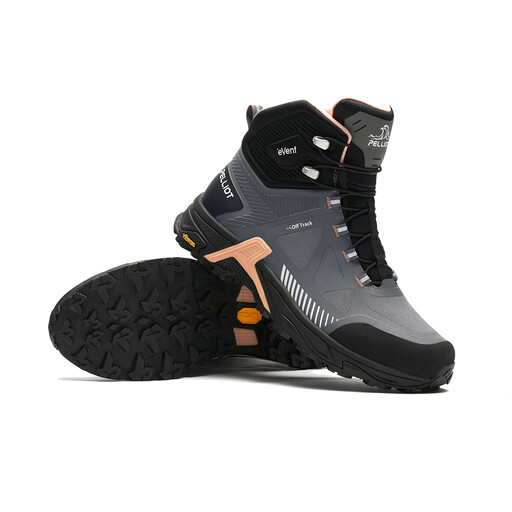
Why this product suits the profile: The high-top construction targets users heading out for trekking, camping and rough ground. According to the product description, the model features a waterproof membrane, toe protection and a lugged rubber sole.
The description explicitly mentions the membrane, toe protection and treaded sole. That said, care, drying and the actual fit remain important checkpoints.
Waterproof membrane, abrasion-resistant synthetic material, toe protection and high-traction rubber sole, according to the product information.
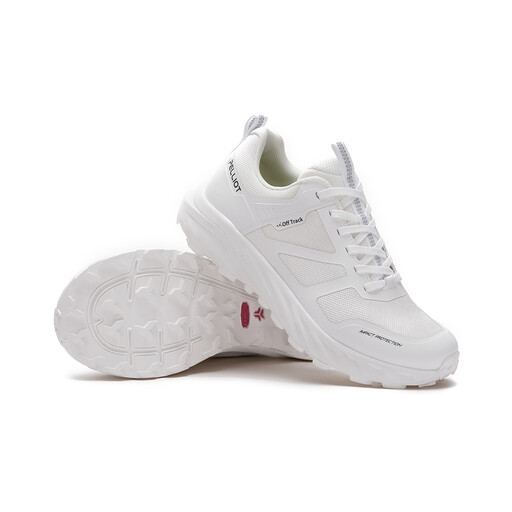
Why this product suits the profile: This model is described for easy runs, paved paths and transitions from road to trail. The mesh and textile upper plus EVA midsole will appeal to buyers who prefer a lower shoe weight.
The materials detail breathability and sole construction without claiming the model is universally waterproof. For wet mountain tours, a different tread is therefore more suitable.
Sandwich mesh and textile, EVA midsole and ROCKYTEC rubber outsole per the product description; EU size 37 available.
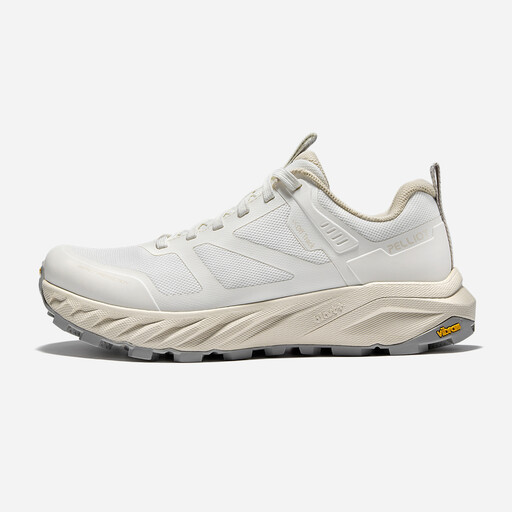
Why this product suits the profile: Women’s trail running shoes are an option if you prefer moving faster on forest paths, gravel tracks and mixed terrain. Before buying, check the product page for precise details on the sole and weather protection.
The name points to trail running but doesn’t replace checking the tread, fit and membrane. This prevents a lightweight running shoe being used by mistake for long, rainy or high-altitude tours.
Trail running build for women; this variant is listed in EU size 38.
Durability depends more on terrain, body weight, mileage and care than on the product name. After a trip, clean outdoor shoes with a soft brush or a damp cloth. Remove mud from the tread and let the shoes dry at room temperature. Direct heat can affect adhesives, uppers and membranes.
Before buying, also check return and warranty conditions. A shoe that already presses on your toes or slips at the heel when trying on won’t necessarily become a good fit by breaking in.
We’ve put together a complete, regularly updated list of products that fully meet these strict selection criteria and the safety regulations in force in the EU.
For wet conditions, look for models with an explicitly stated waterproof membrane. For the women’s high-top hiking boots described, a waterproof membrane, toe protection and a lugged rubber outsole are mentioned. Actual suitability still depends on the amount of water, collar height and the condition of the shoe’s care.
Measure your foot length in millimetres and compare it with the chart for the specific model. As a guide, 235 mm for EU 37, 240 mm for EU 38 and 245 mm for EU 39 are given. If you wear thick socks or are between sizes, check the product page for any recommendation to size up.
Lightweight hiking shoes suit paved paths, forest trails and moderate trekking routes. For scree, steep sections, wet conditions and heavy rucksacks, a more supportive collar, toe protection, a lugged sole and adequate weather protection are more important. Trail running shoes offer agility, but they aren’t automatically women’s mountain boots for technical routes.