
Lieferung heute & morgen

Qualitätsgarantie

Willkommens-Angebote freischalten: KOSTENLOSE Lieferung | Bis zu 80 % RABATT | Kostenlose 30-Tage-JoyPlus-Testphase
App herunterladen
Whether you are heading out on a day hike in the hills, spending a weekend camping or enjoying a fast run along woodland paths, PELLIOT hiking shoes are available in a range of designs for different outdoor activities. However, your choice should not be based solely on colour, brand name or advertising claims. Fit, intended use, outsole tread and the specific construction of each model are what really matter.
A waterproof hiking shoe can limit water penetration through the upper. However, that does not automatically mean it will keep your feet dry during prolonged rain, in deep puddles or on wet grass. Seams, the tongue, fastening system and the transition to your trousers also affect the level of protection.
Breathable hiking shoes made from mesh can release heat and moisture more effectively. However, they often provide less protection during persistent rainfall. If you regularly head outdoors in changeable weather, check whether a membrane is explicitly mentioned and how high the shoe collar reaches.
Slip-resistant trekking shoes need a tread that suits the terrain. Deep lugs can be beneficial on mud and loose ground, but may feel less responsive on tarmac. Flatter outsoles are generally better suited to surfaced paths and easy woodland trails.
There is no universally applicable measure for the slip resistance of casual hiking shoes in retail listings. Claims such as “suitable for all terrains” should therefore be assessed alongside the tread pattern, rubber compound and intended use.
Outdoor shoes with good cushioning can feel comfortable over long distances. However, secure heel hold is also important during lateral movements, on scree or on steep descents. Models that are too soft or too loose may feel less controlled on uneven ground.
Measure both feet in the late afternoon while wearing the hiking socks you intend to use. Compare the measured length with the size chart for the specific listing. EU sizing alone is not a reliable guide, as the last and internal space can vary between models.
Pay attention to the following:
PELLIOT hiking shoes for women and PELLIOT hiking shoes for men differ not only in the sizes available, but sometimes in their cut and colour options too. Always check the product page rather than relying solely on the filter label.
Lightweight hiking shoes with mesh or textile panels can reduce weight and improve airflow. For dry summer days and more active hikes, breathable hiking shoes are often a practical choice. Synthetic reinforcements around the toes and sides can improve abrasion resistance.
For waterproof hiking shoes, the specific membrane or the manufacturer’s stated specification is relevant. “Water-repellent” and “waterproof” do not mean the same thing. After cleaning, shoes should be air-dried according to the manufacturer’s instructions; direct heat can damage materials and bonded areas.
For hiking trails with roots, stones and changing surfaces, a profiled rubber outsole and a stable heel area are important points to consider. With PELLIOT hiking shoes for short to medium-length walks, a low collar can provide greater freedom of movement. For heavy loads or more demanding mountain paths, a higher and more supportive construction may be the better option.
PELLIOT trail running shoes are designed for more dynamic movement. They should not automatically be viewed as a substitute for sturdy mountain boots. For long runs on surfaced paths, a lightweight construction with an EVA midsole and sufficient ventilation may be the priority.
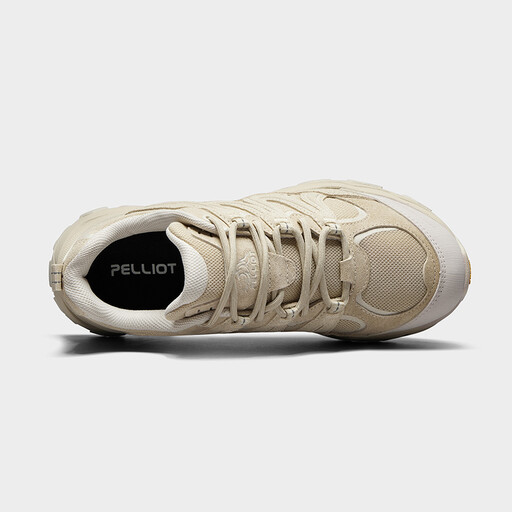
Why this product suits this profile: The stated women’s size 39 and low-cut hiking design make this a suitable starting point for walks, easy hikes and first outings on surfaced or moderately uneven paths.
The specific size information makes it easier to compare the shoe with your own foot measurements, rather than relying solely on general fit claims.
Women’s version in khaki; ideal for getting started with straightforward, light outdoor activities.
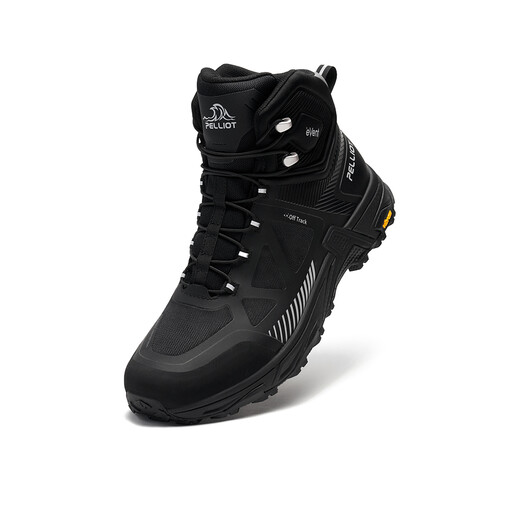
Why this product suits this profile: The higher construction, water-repellent or waterproof design according to the product information, toe protection and profiled rubber sole are suited to trekking, camping and more demanding trails.
The product information specifies the materials, protective toe cap, membrane and outsole tread. This makes it easier to assess the shoe objectively against the terrain you plan to tackle.
Abrasion-resistant upper, profiled rubber outsole and size chart with foot-length measurements.

Why this product suits this profile: The lightweight mesh construction, EVA midsole and design for transitions from road to trail are well suited to runners and frequent users covering a range of surfaces.
The shoe is described as a versatile running model, not a universal replacement for heavy mountain boots. This makes it easier to choose footwear suited to your route and level of exertion.
Sandwich mesh for airflow, highly elastic EVA midsole and ROCKYTEC outsole according to the product description.
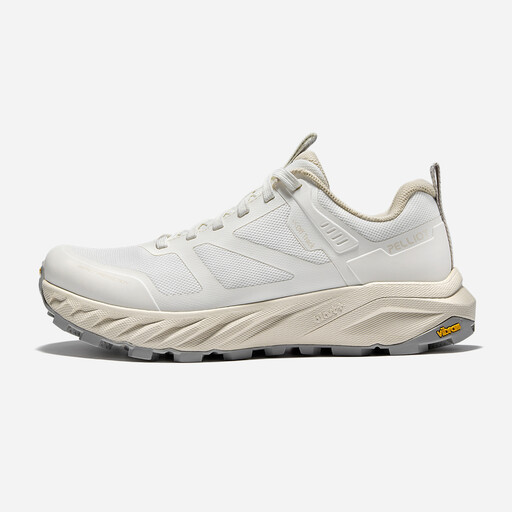
Why this product suits this profile: This trail running model in women’s size 38 is designed for users who want more freedom of movement on woodland paths and changing surfaces than traditional hiking shoes provide.
The trail running designation clearly indicates the type of movement the shoe is intended for. A more supportive shoe should be chosen for via ferrata routes or heavy loads.
Trail running construction and stated women’s size; suitable for movement-focused use.
We have put together a complete, regularly updated list of products that fully meet these strict selection criteria and the safety regulations applicable in the EU.
It depends on the specific model. A PELLIOT hiking shoe described as waterproof may be intended for rain and damp paths. Trail running shoes with mesh uppers, on the other hand, generally prioritise airflow. Before buying, check the information on the membrane, seams, care and collar height.
Measure your foot length in millimetres and compare it with the size chart for the specific listing. Try the shoe with hiking socks and walk around in it for a few minutes. Your toes should not touch the front when walking downhill, while your heel should remain as secure as possible inside the shoe.
Their lifespan depends on the terrain, frequency of use, body weight, care and storage. Clearly worn-down tread, detached soles, cracks in the upper or reduced heel hold are signs that the shoes should be replaced. Allow wet shoes to dry completely at room temperature and clean them according to the manufacturer’s instructions.