
Lieferung heute & morgen

Qualitätsgarantie

Willkommens-Angebote freischalten: KOSTENLOSE Lieferung | Bis zu 80 % RABATT | Kostenlose 30-Tage-JoyPlus-Testphase
App herunterladen
A pencil may seem like a simple product, but the selection is vast and the differences in quality are significant. Anyone who has ever bought a cheap bulk pack knows the problems: leads that constantly break, wood that splinters when sharpening, or an uneven laydown that makes writing and drawing difficult. This buyer's guide will help you identify the crucial features and avoid making the wrong purchase.
As your Joybuy Product Recommendation Officer, I filter the relevant information for you so you can make an informed decision that perfectly matches your use case.
To find the right pencil, you should consider three core parameters. These determine the performance, durability, and application of any pencil.
The hardness grade of a pencil indicates the ratio of graphite to clay in the lead. The scale ranges from "H" (hard) for hard leads with a high clay content to "B" (black) for soft leads with a high graphite content.
A breaking lead is a common annoyance. High-quality graphite pencils are distinguished by their high break resistance. Manufacturers like Staedtler or Faber-Castell use special processes where the lead is securely bonded to the wood casing (e.g., through a special SV bonding process). This makes the lead more resistant to impact and the pressure of sharpening.
The wood of the pencil is just as important as the lead. Pencils made from soft yet sturdy wood like cedar, or from certified forests (identifiable by FSC or PEFC seals), can be sharpened evenly and cleanly. Cheap, brittle wood tends to splinter and can damage the lead during sharpening.
Here are some recommendations tailored to specific needs, taking into account the quality features mentioned.
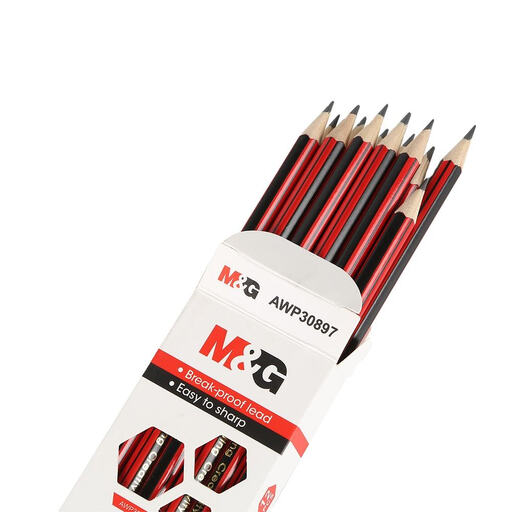
Why This Fits Their Persona: Ideal for users who need a reliable supply of pencils for daily writing tasks. The HB grade is the universal standard for notes, homework, and office work.
This set bypasses the bulk-pack trap by offering consistent quality. The wood doesn't splinter, and the break-resistant lead ensures long-term, frustration-free use.
The combination of a break-resistant HB lead and an ergonomic hexagonal barrel provides a comfortable and reliable writing experience. The set offers excellent value for money.
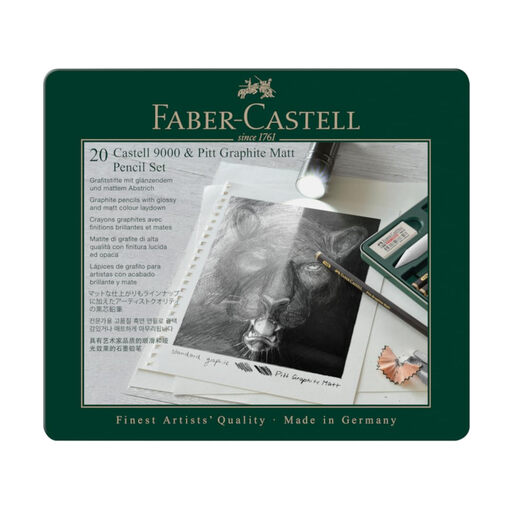
Why This Fits Their Persona: This set is aimed at artists and illustrators seeking a wide range of expressive possibilities. It combines classic Faber-Castell pencils with innovative, matte graphite pencils for deep black, low-reflection results.
This is genuine, demonstrable artist quality. Instead of vague promises, the set offers a specific innovation (matte lead) and a curated selection of hardness grades optimised for drawing pencils.
The extensive hardness spectrum from HB to 14B and the reflection-reducing Pitt Graphite Matt pencils allow for maximum depth. The included accessories in the metal case make it a complete kit.
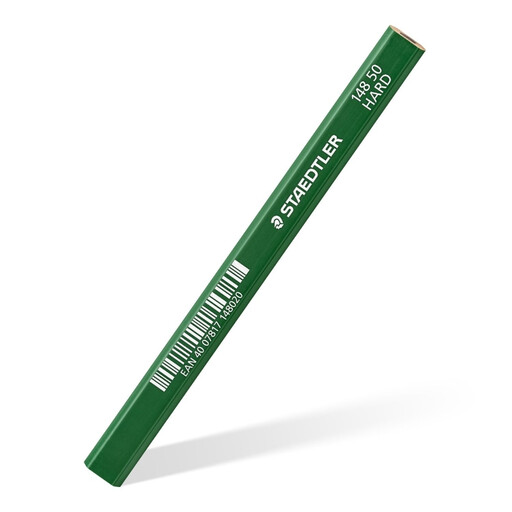
Why This Fits Their Persona: This pencil is specifically designed for the demands of the construction site and workshop. It is robust and designed for marking on rough surfaces like wood, stone, or concrete.
It avoids the "one-size-fits-all" mistake. Instead of a standard round pencil, it offers a functional, flat shape that prevents it from rolling away and a hard lead specifically designed for rough materials.
The hard lead (H grade) ensures long-lasting, sharp, and highly visible lines on various materials. The oval shape fits comfortably in the hand and stays put on the workbench.
In addition to classic graphite pencils, there are also mechanical pencils, watercolour pencils, and special coloured pencil sets. We have compiled a complete, up-to-date list of products that meet these strict selection criteria.
The hardness grade describes the ratio of graphite (for blackness) to clay (for hardness) in the lead. A lead marked "H" is hard and produces a light line. A "B" lead is soft and creates a dark, rich line. HB is a balanced medium, ideal for everyday writing. 2B is already softer and darker, well-suited for sketching.
Use a high-quality sharpener with a sharp blade. Turn the pencil slowly and evenly, rather than turning the sharpener around the pencil. For very soft or expensive artist pencils, a lead pointer or even a sharp craft knife (used with appropriate caution) may be a better choice to shape the lead precisely.
Brands like Faber-Castell pencils or Staedtler pencils often invest in research and development, which translates into features like high break resistance, uniform pigmentation, and sustainably sourced wood. For users who value reliability, consistent results, and durability—whether for artistic, technical, or everyday use—investing in a brand-name product can pay off through a better user experience and less material waste. For simple note-taking, however, a more affordable pencil may be sufficient.