
Lieferung heute & morgen

Qualitätsgarantie

Willkommens-Angebote freischalten: KOSTENLOSE Lieferung | Bis zu 80 % RABATT | Kostenlose 30-Tage-JoyPlus-Testphase
App herunterladen
A pendant light is more than just a source of illumination. It's a central design element that significantly shapes the atmosphere of a room. However, the sheer number of choices can be overwhelming. Many models promise more than they deliver, leading to disappointment. This guide will help you avoid common pitfalls and make an informed decision.
Before you decide on a model, you should be aware of the typical problems that often only become apparent after installation.
To avoid these mistakes, you should check three core parameters. These objective criteria will help you evaluate the quality and functionality of a pendant light.
Proportions are crucial to the impact of a pendant light. Especially for a lamp over the dining table, there are clear guidelines:
The material determines not only the style but also the durability and the quality of light.
The functionality of your light depends heavily on the bulb.
Here are some recommendations tailored to different needs and interior styles.
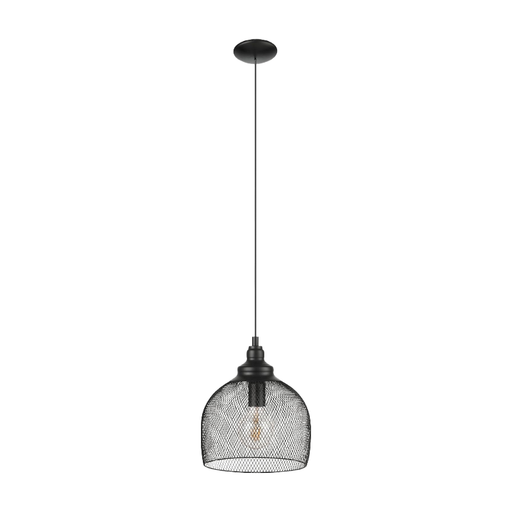
Why it's a great fit: Ideal for anyone looking to add a clean, industrial accent without breaking the bank. The design is minimalist and blends seamlessly into modern or minimalist living concepts.
The wireframe design creates an interesting play of light and shadow without causing direct glare. The standard E27 socket offers full flexibility in bulb choice, avoiding dependency on fixed LEDs.
Robust metal construction and a timeless design that won't go out of style. Its light weight makes installation easier.
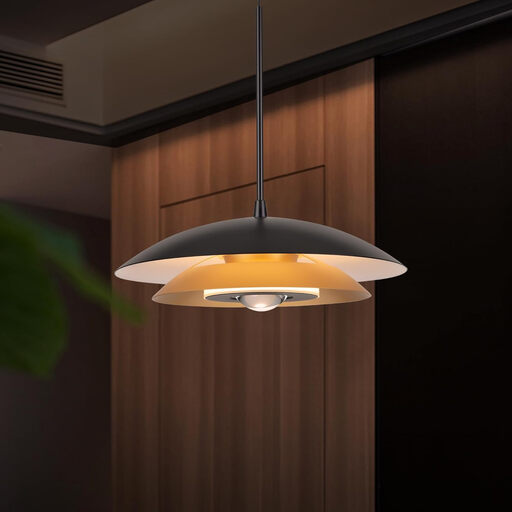
Why it's a great fit: For discerning decorators who view a light fixture as a sculptural object. The contrast of matte black and the gold-toned interior makes it a focal point over kitchen islands or in the dining room.
The dual-layer construction is specifically designed to prevent direct glare. The light is reflected by the inner, gold-toned shade, creating an exceptionally warm and even illumination.
Integrated, dimmable 12W LED technology with a warm white colour temperature of 3000K. The height is flexibly adjustable, which simplifies installation.
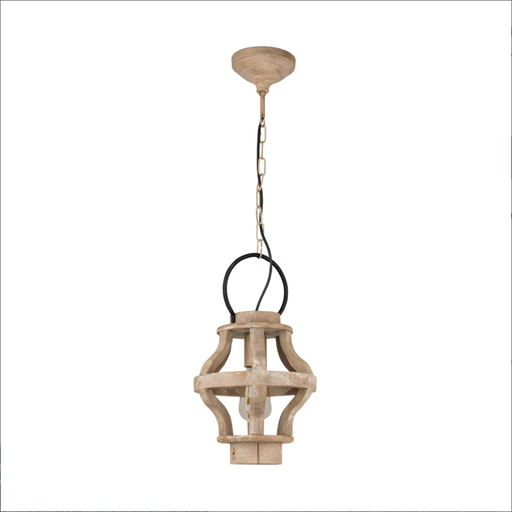
Why it's a great fit: Perfect for anyone wanting to create a cosy, nature-inspired atmosphere in a boho or farmhouse style. The natural wood and lantern shape add a warm, organic accent.
By using real wood instead of plastic imitations, it avoids the pitfall of short-lived materials. The material is authentic and ages naturally. The chain suspension is robust and height-adjustable.
The rustic lantern design made of wood and metal creates a distinctive look. The E27 socket allows the use of decorative filament bulbs to enhance its vintage character.
We've compiled a complete, up-to-date list of products that fully meet these strict selection criteria and safety regulations.
A reliable rule of thumb is a distance of 60 to 70 centimetres between the table surface and the bottom edge of the lampshade. This ensures good illumination without obstructing your view of the person opposite you or getting in the way when you stand up.
No, dimmability depends on two factors. For lights with a standard socket (e.g., E27), you must use a bulb explicitly marked as "dimmable" and have a compatible wall dimmer. For lights with built-in LED technology, the manufacturer must specify the dimming function in the product description.