Cooking with limited worktop space
If you want to finely purée roasted peppers without leaving a countertop blender out permanently, a hand blender that’s easy to store, used with a suitable container, is a good place to start.


If worktop space is limited, a hand blender used with a suitable container is a natural starting point for puréeing roasted peppers and putting the appliance away afterwards. For small portions where you want to control the texture, consider a mini chopper. A countertop blender is a better fit if you also prepare larger or more liquid mixtures and have room for both the appliance and its jug. Check the recommended batch size, what’s included and the cleaning instructions for the specific model – wattage alone doesn’t guarantee a particular dip texture.
If you want to finely purée roasted peppers without leaving a countertop blender out permanently, a hand blender that’s easy to store, used with a suitable container, is a good place to start.
If you mainly make small amounts and want to control the texture with short bursts, check the container and cleaning requirements of a mini chopper.
If you make larger or more liquid mixtures as well as dips, weigh up the container size and additional uses against the space the appliance will take up.
A good fit if: You want to blend in a suitable container and put the appliance away afterwards.
Bear in mind: You’ll need a suitable container and enough room to guide the blending foot safely. Features and controls vary by model.
A good fit if: You mostly make small amounts of dip and want to chop the ingredients to your preferred texture.
Bear in mind: The bowl and motor unit need storage space. The stated capacity alone doesn’t tell you how much dip you can sensibly process at once.
A good fit if: You also make drinks or other more liquid mixtures and have space to keep a separate appliance out.
Bear in mind: Consider the worktop footprint, container shape and usable capacity. A higher stated capacity doesn’t mean it’s especially suited to thick pepper dip.
| What you need | What to check before buying | Who will find this most important? |
|---|---|---|
| Fine puréeing while saving space | Check for a suitable container, a removable blending foot and enough room to guide it safely. | If I want to finely purée peppers and put the appliance away afterwards, a hand blender with a suitable container is my starting point. Around 36% of consumers prioritise space-saving puréeing. |
| Small portions and control over texture | Check the container, blades and recommended batch size in the instructions; don’t assume the stated capacity is the same as the usable amount of dip. | For small portions, I want to be able to control the texture with short bursts. Around 29% of consumers prioritise small quantities and a controllable texture. |
| Cleaning and accessories | Check the cleaning instructions for each removable part of the specific model. | If I want to keep cleaning to a minimum after preparing food, I check which parts can be removed and how they can be cleaned. Around 21% of consumers prioritise easy cleaning. |
| Larger batches or other blending tasks | Check the dimensions, usable capacity and suitability for the ingredients you plan to use. | If I make larger or more liquid mixtures as well as dips, I consider an appliance with a jug and make sure I have room for it. Around 14% of consumers prioritise additional or larger blending tasks. |
A 500 ml container or a countertop blender with a stated capacity of 1,9 l doesn’t, on its own, tell you how much thick dip you can sensibly make in one go.
Check the fill limits and guidance on suitable ingredients in the instructions for the specific model.
Electrical power ratings alone don’t prove how well an appliance will process roasted peppers. Braun gives different power ratings in the product description and technical specifications on its product page.
Compare the container shape and controls for the portions you plan to make. Clarify the discrepancy in Braun’s figures rather than using them to choose a model.
A set with extra attachments or several containers may need more storage space and take longer to clean, even if the main appliance is compact.
Check what’s included against the space you have in your cupboards and on your worktop, and only factor in accessories you’ll actually use.
MultiQuick hand blenders come with different accessories depending on the set. The MQ 50201 M combines a blending foot with a 350-ml chopper.
Kenwood describes the Easy Chop CHP61.100WH as a mini chopper for small quantities, dips and sauces.
The CleverMixx MSM14100 is a hand blender with a removable blending foot and a mixing beaker.
The Series 3000 HR2041/00 is a countertop blender for households that want to use a jug blender for other tasks too.
The KÜCHENminis Smoothie-to-go is a compact jug-style alternative if you also want to make drinks.
The models below include hand blenders for puréeing and a mini chopper for small portions of dip.
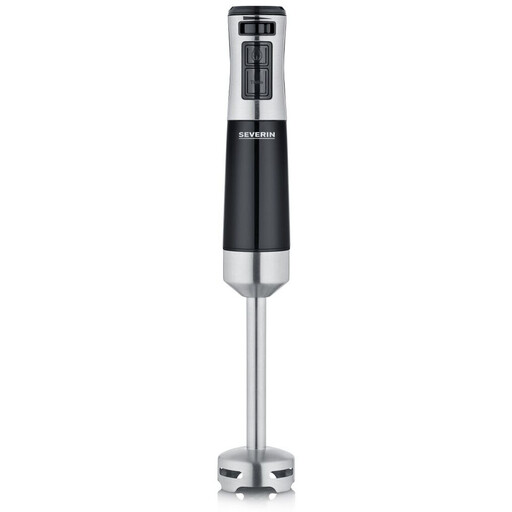 No image available
An option if you want to make dips and purées and remove the blending foot for storage.
The product information lists 600 W, variable speed control and a removable blending foot.
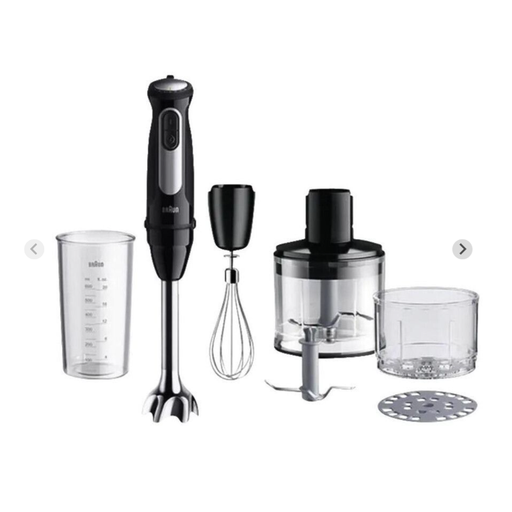 No image available
If you want to blend and chop with one hand blender set, check whether you need and have room to store all the different accessories.
The product information lists 25 speeds plus turbo, as well as a chopper and measuring beaker.
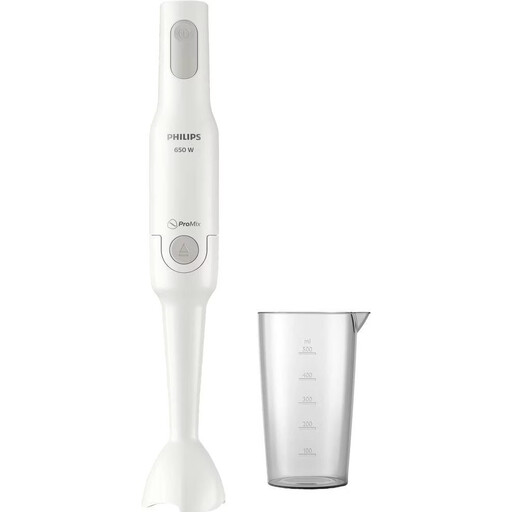 No image available
A hand blender with a beaker is worth considering if you don’t have a suitable blending container.
The product information lists 650 W, a mixing beaker and one-button release; removable parts are described as dishwasher-safe.
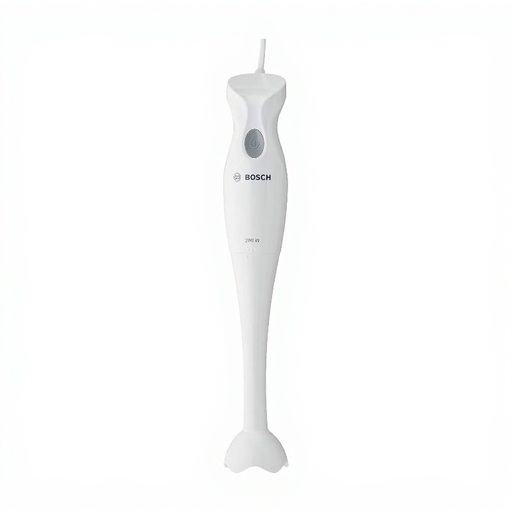 No image available
You’ll need a suitable tall, narrow container for blending; the product description recommends this shape.
The product information lists 280 W and a removable blending foot. The blending foot and accessories are described as dishwasher-safe.
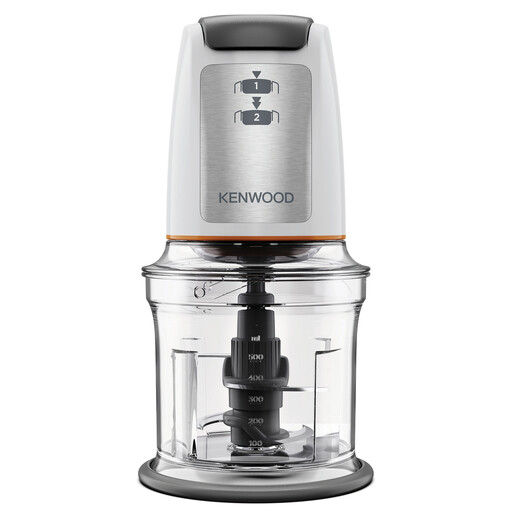 No image available
The manufacturer describes this model as suitable for small quantities, dips and sauces. Short bursts can help if you want to control the texture.
The product information lists two speed settings, a 0,5-l bowl and 500 W. The bowl capacity isn’t the same as the usable amount of dip.
Check the instruction manual to see whether the specific appliance and container are suitable for the temperature you plan to use. General suitability for dips or sauces doesn’t mean the appliance is approved for hot ingredients. If you can’t confirm the temperature guidance, leave the peppers to cool before blending.
Not necessarily: which individual parts are dishwasher-safe depends on the model. Bosch lists a removable blending foot for the MSM14100; Kenwood describes parts of the CHP61.100WH as dishwasher-safe. Follow the instructions for each part and clean utensils that come into contact with food thoroughly after use.
No. A manufacturer’s guarantee is subject to its own terms and conditions; your statutory rights relating to faulty goods are against the seller. The Verbraucherzentrale distinguishes these rights from a voluntary guarantee. Which rights apply depends on the specific purchase and fault.
No. Where the harmonised EU rules applicable to an appliance require a CE marking, the manufacturer uses it to declare that the relevant requirements have been met. The marking isn’t an official approval; check which information applies to the appliance in the specific listing. The European Union’s Your Europe information explains the distinction.