
Lieferung heute & morgen

Qualitätsgarantie

Willkommens-Angebote freischalten: KOSTENLOSE Lieferung | Bis zu 80 % RABATT | Kostenlose 30-Tage-JoyPlus-Testphase
App herunterladen
Freshly ground pepper is easier to control than pre-ground spice. But when buying a pepper mill, looks aren’t everything. An attractive casing can’t make up for an unsuitable grinding mechanism, a hard-to-reach grind setting or a fiddly cleaning process.
That’s why the Joybuy Product Recommendation Officer focuses on clear, practical criteria: height, capacity, material, operation, grinding mechanism and the spices the mill is designed for.
Not every mill is suitable for every type of ingredient. Peppercorns, coarse sea salt and dried chilli pieces need dry, hard spices to grind. Damp salt or wet ingredients can clog the grinding mechanism. In electric models, this can also put extra strain on the motor.
A pepper mill with a ceramic grinding mechanism is often also designed for coarse salt. However, the manufacturer’s specific guidance is what matters. If no other uses are listed, a pepper-only mill should only be used with peppercorns.
“Adjustable from fine to coarse” sounds useful, but it doesn’t tell you how the setting works. On some models, you turn a screw at the top; on others, the adjustment is at the base. Before you buy, check:
If you want to grind pepper fresh, a clear, easy-to-use setting is more important than a decorative shape.
A wooden pepper mill or a bamboo model brings a classic look to the table. Wood should generally not be soaked in water or cleaned in the dishwasher. A stainless steel casing is more resistant to splashes, but that doesn’t automatically protect the grinding mechanism from moisture.
Also check the actual size. A tall mill often holds more and is easy to grip at the table, but takes up more storage space. Compact models fit more easily in kitchen drawers and are often more comfortable for smaller hands.
A manual pepper mill doesn’t need batteries and gives you direct control over how much you grind. It’s well suited to traditional table settings and anyone who likes to control the grinding themselves. However, turning it can be less comfortable if you use it frequently or have limited hand strength.
An electric pepper mill works at the press of a button. You’ll need batteries, though, and should keep the casing away from water. Check the battery size, the position of the controls and the weight. Four AA batteries can noticeably increase the overall weight.
Some stainless steel grinding mechanisms in classic pepper mills are designed for peppercorns. Ceramic mechanisms are often used in electric salt and pepper mills and, depending on the product, may also be designed for coarse salt or other dry spices.
The material alone isn’t a reliable indicator of quality. These points matter more:
Models measuring around 14 to 23 cm are common for the dining table. A transparent chamber makes it easier to check how much is left. Electric mills often list different capacities for pepper and salt. Take care not to confuse these figures.
A smaller spice mill is often enough for home use. Restaurants and frequent users may benefit from a larger chamber, as long as the mill still feels secure and precise in the hand.
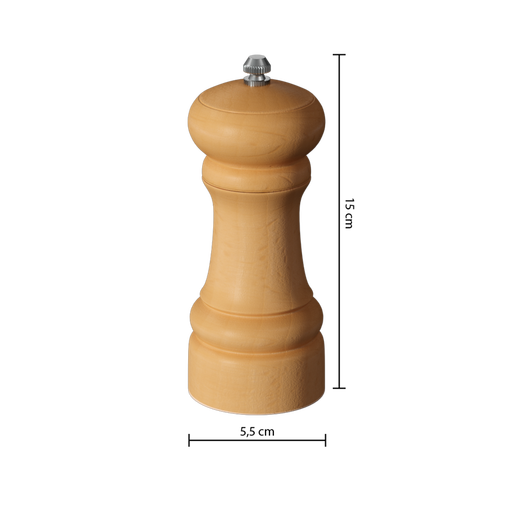
Why it suits this profile: This compact manual pepper mill is ideal for smaller kitchens and dining tables, and for anyone who’d rather not use batteries. Adjust the grind by turning the top.
The product information specifies a filling opening, an adjustable grind and use with dry peppercorns.
14.5 cm tall, wooden casing, manual operation and an integrated metal grinding mechanism.
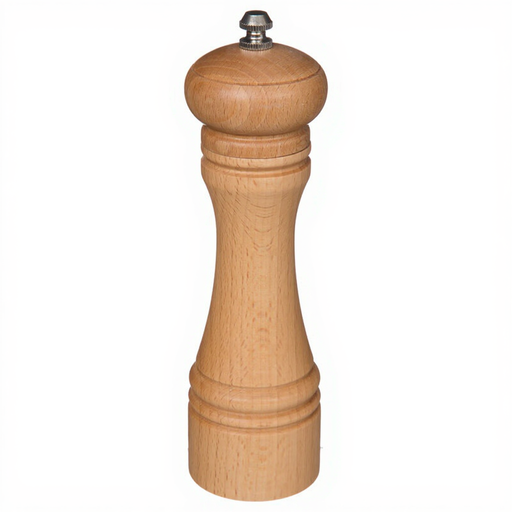
Why it suits this profile: At 20.5 cm tall, this mill pairs a classic bistro shape with a grip described as ergonomic. It’s suitable for the kitchen, dining table or professional settings.
The listed stainless steel grinding mechanism and clear guidance to use it only with dry peppercorns help you avoid unsuitable ingredients.
Wooden casing, 20.5 cm tall, 6 cm deep and a stainless steel grinding mechanism, according to the product description.
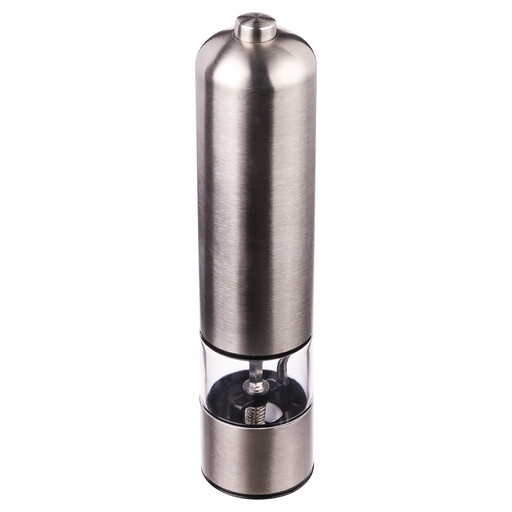
Why it suits this profile: This electric mill is designed for frequent seasoning and for anyone with limited hand strength. An LED underneath illuminates the dispensing area.
The ceramic grinding mechanism, adjustable grind and specified dry spices help prevent misuse. Wet ingredients should not be used.
23 cm tall, 304 stainless steel casing, 30 g pepper or 60 g salt capacity, LED and four AA batteries.
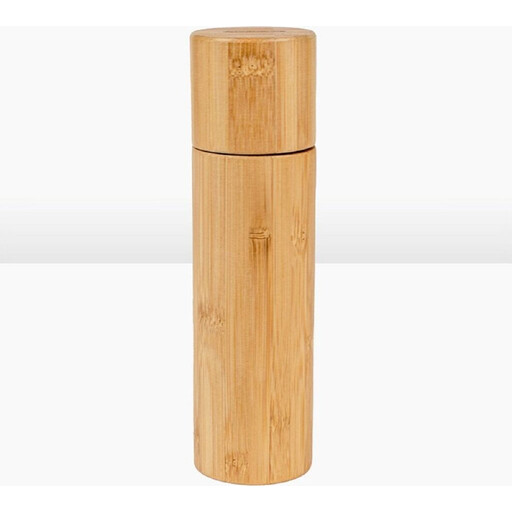
Why it suits this profile: This 18 cm bamboo mill is a good option if you want to use salt, pepper or dry spices in a classic twist mill.
The care instructions specifically recommend hand-washing and warn against soaking or putting it in the dishwasher.
18 cm tall, bamboo casing, twist mechanism and suitable for salt, pepper and spices, according to the product information.
We’ve put together a complete, regularly updated list of products that meet these strict selection criteria and the safety requirements applicable in the EU.
Whether you use an electric pepper mill or a manual model, a few basic rules apply:
You can wipe the casing of a stainless steel pepper mill with a damp cloth, but the grinding mechanism and electrical components must still be kept dry. Wooden and bamboo models should be left to dry completely after cleaning.
That depends on the grinding mechanism and the manufacturer’s guidance. A mill with a ceramic grinding mechanism may be suitable for coarse salt, while a model specified for pepper only should be filled with peppercorns. Damp salt is generally a problem.
You’ll need to factor in the cost of batteries as well as the purchase price. If the mill takes four AA batteries, make sure you use compatible batteries and remove them if you won’t be using it for a while. A manual pepper mill, on the other hand, has no ongoing power costs, but does require you to turn it yourself.
Finely ground pepper is distributed more evenly through sauces, soups and marinades. Coarsely ground peppercorns are better suited to seasoning at the table or to dishes where you want distinct notes of pepper. An adjustable fine-to-coarse setting lets you tailor the grind to each recipe.