
Lieferung heute & morgen

Qualitätsgarantie

Willkommens-Angebote freischalten: KOSTENLOSE Lieferung | Bis zu 80 % RABATT | Kostenlose 30-Tage-JoyPlus-Testphase
App herunterladen
Freshly ground pepper unlocks an aroma that pre-ground powder from the supermarket simply can't match. However, the market for pepper mills is vast and can be overwhelming. From manual wooden models to electric stainless steel variants and various grinding mechanisms, the sheer number of options can be daunting.
This guide is here to help you navigate the choices. I, your Joybuy Product Recommendation Officer, will walk you through the key criteria for selecting a pepper mill and present a curated selection of models that stand out for their unique features. The goal is to provide you with a solid foundation for making an informed decision, so you can find the pepper mill that perfectly suits your cooking habits and your kitchen.
Three main factors determine the functionality and longevity of a pepper mill: the drive type, the grinder material, and the housing material.
The choice between a manual pepper mill and an electric pepper mill comes down to personal preference.
The grinding mechanism is the most critical component. A pepper mill with a ceramic grinder is a popular and versatile choice. Ceramic is corrosion-free, which means you can also use the mill as a salt mill or a general spice mill for other dry spices without damaging the material. It is also extremely hard and wear-resistant. Carbon steel grinders are also very high-performing but are typically only suitable for pepper, as salt would cause corrosion.
Ensure that the mill has an adjustable grind setting. This allows you to flexibly switch between a fine powder for sauces and a coarse grind for steaks, depending on the dish.
The housing material influences not only the look but also the durability and handling of the mill.
Here is a selection of three models that cater to different needs and preferences.
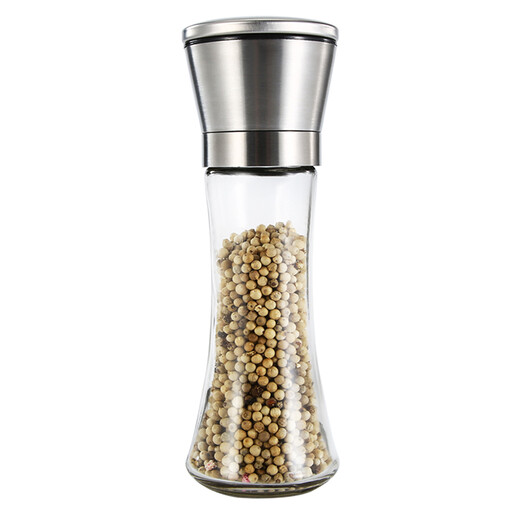
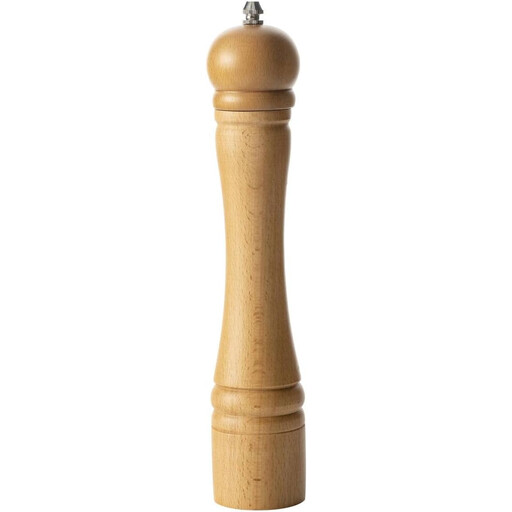
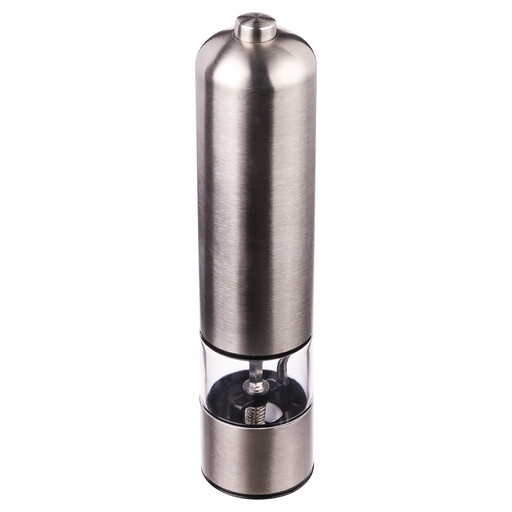
Didn't find the right model for you among these suggestions? Every kitchen and every cook has unique requirements. Perhaps you prefer a different size, another material, or a specific design.
Discover our entire range of pepper mills and find the model that perfectly fits your kitchen and your style.
1. Can you use a pepper mill for salt? That depends on the grinder. Mills with a ceramic grinder are ideal for this, as ceramic does not corrode. However, a mill with a steel grinder should not be used for salt, as the salt can attack the metal and cause it to rust. Therefore, always check the manufacturer's specifications.
2. How do you clean a pepper mill correctly? The exterior can be cleaned with a slightly damp cloth. The grinding mechanism itself should never come into contact with water. To clean it from the inside and remove old pepper residue or oils, you can grind a small amount of coarse salt or uncooked rice. This binds the residue and cleans the grinding surfaces. Empty the mill completely afterwards before refilling it.
3. What is the ideal grind size for pepper? There is no single "ideal" grind size—it depends on the dish. A coarse grind is excellent for steaks or salads, as the larger pepper pieces provide an intense, sharp burst of flavour. A fine grind is better for soups, sauces, and marinades, as the aroma is distributed more evenly. A pepper mill with an adjustable grind offers the necessary flexibility.