
Lieferung heute & morgen

Qualitätsgarantie

Willkommens-Angebote freischalten: KOSTENLOSE Lieferung | Bis zu 80 % RABATT | Kostenlose 30-Tage-JoyPlus-Testphase
App herunterladen
If you're searching for an effective anti-aging serum, you've likely come across the term "peptides." These active ingredients are considered a cornerstone of any skincare routine aimed at reducing wrinkles and improving skin firmness. But the market is saturated and full of marketing claims, making an informed choice difficult.
Many products advertise long ingredient lists without disclosing their function or concentration. Before you make a decision, it's important to understand the common pitfalls that often lead to a poor product choice.
To find a product that meets your needs, you should focus on objective, verifiable criteria. The following two parameters are crucial for the quality and potential efficacy of a peptide serum.
Not all peptides are created equal. They can be divided into different groups with distinct functions. A good formulation often combines several types to address various signs of aging simultaneously.
A peptide serum rarely works in isolation. Its effectiveness is significantly influenced by the surrounding formula. Look for products that combine peptides with other proven ingredients.
A hyaluronic acid serum with peptides is a particularly effective combination. While peptides work on the skin's structure, hyaluronic acid provides intense moisture, visibly plumps the skin, and can instantly diminish fine lines caused by dehydration. Other valuable additions include antioxidants (like Vitamin C or Niacinamide) for protection against environmental stressors, and soothing ingredients (like Panthenol or Centella Asiatica) that strengthen the skin barrier and improve the tolerability of skincare with peptides.
Based on the criteria mentioned, we have selected a few products from our range that are suitable for different user profiles.
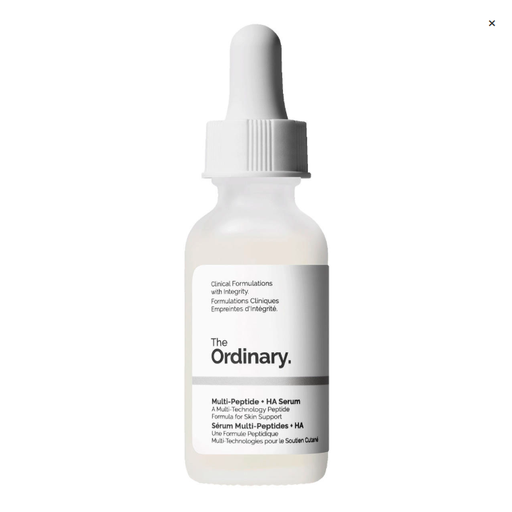
Why This Fits Their Persona: Ideal for individuals looking for a solid foundation for their anti-aging routine without a major investment. It offers a transparent formula with well-known peptide technologies.
The product clearly names the peptide complexes used (Matrixyl 3000, Matrixyl Synthe'6, Argirelox), avoiding the vague "peptide cocktail" approach. The combination with hyaluronic acid provides an added, visible benefit.
Offers a combination of signal and neurotransmitter-inhibiting peptides. The water-based formula with hyaluronic acid provides hydration and is well-tolerated by most skin types.
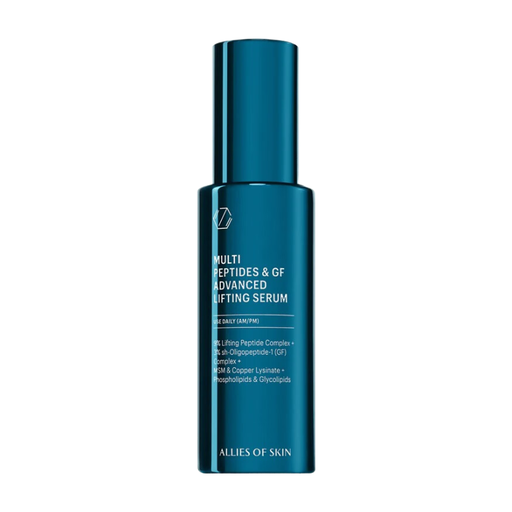
Why This Fits Their Persona: For seasoned users seeking a high-potency formula to specifically target advanced signs of aging, such as loss of elasticity and pronounced wrinkles.
The formula is transparent, stating specific concentrations: "9% Lifting Peptide Complex" and "3% Growth Factor Complex." This provides a clear indicator of the product's potency and avoids vague promises.
Combines multiple peptide complexes with growth factors and Copper Lysinate for a comprehensive approach to skin firming. According to the manufacturer, it is dermatologist-tested and suitable for sensitive skin.
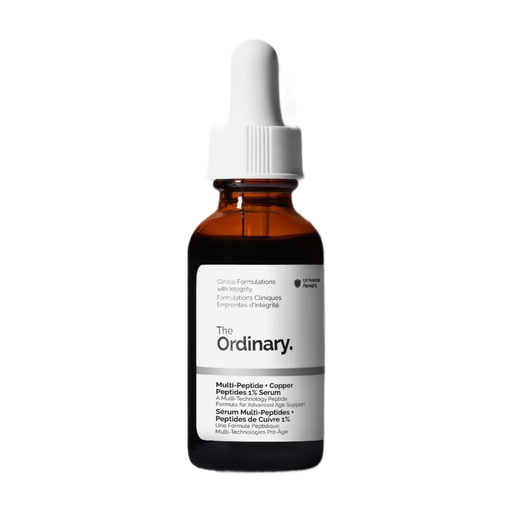
Why This Fits Their Persona: Perfect for skincare enthusiasts who want to specifically leverage the benefits of copper peptides to promote overall skin health and counteract signs of oxidative stress.
The product sidesteps the "single-ingredient" fallacy by combining copper peptides in a comprehensive formula with five other peptide technologies and hyaluronic acid. The 1% concentration is clearly declared.
Contains direct-acting copper peptides to support skin regeneration. The formula targets a wide range of aging signs, from fine lines to loss of elasticity.
We have compiled a complete, up-to-date list of products that fully meet these strict selection criteria.
The visible results of a peptide serum depend on your individual skin condition and consistency of use. While improved hydration is often noticeable immediately, structural improvements like a reduction in wrinkle depth or increased firmness can take several weeks to months of consistent use (morning and evening). Patience and a consistent routine are key.
Yes, peptides generally combine well with other active ingredients. Combining them with Vitamin C in the morning can boost antioxidant protection. Using them with Retinol in the evening is also possible. The exception is copper peptides: it is recommended not to use them in the same routine directly with strong antioxidants like Vitamin C (especially L-Ascorbic Acid) or direct acids, to avoid compromising their efficacy. Alternating their use (e.g., Vitamin C in the morning, copper peptides in the evening) is a safe approach.
Peptides are generally considered well-tolerated and are often a gentler alternative to active ingredients like high-concentration retinol. Many formulations, especially those with soothing additives like niacinamide or panthenol, are specifically designed for sensitive skin. Nevertheless, if you have sensitive skin, it is always advisable to patch test a new product on a small area of skin, such as on your forearm or behind the ear, before applying it to your entire face.