
Lieferung heute & morgen

Qualitätsgarantie

Willkommens-Angebote freischalten: KOSTENLOSE Lieferung | Bis zu 80 % RABATT | Kostenlose 30-Tage-JoyPlus-Testphase
App herunterladen
A peptide serum can be a useful addition to your daily skincare routine if your main concerns are fine lines, dry skin, an uneven complexion or loss of elasticity. However, choosing one can be confusing: terms such as anti-ageing, Matrixyl, PDRN and ‘lifting’ are often heavily promoted, but they don’t tell you much on their own about whether a product is right for your skin.
If you’re looking to buy a peptide face serum, don’t focus solely on the brand name and marketing claims. The full INCI list, texture, directions for use and suitability for your skin are what matter.
Peptides, hyaluronic acid, niacinamide and PDRN each have different cosmetic functions. A Matrixyl serum isn’t automatically a hydrating serum, and a PDRN serum doesn’t necessarily aim to provide the same skincare benefits as an anti-wrinkle serum. Claims such as ‘firming’ or ‘lifting’ often describe the product’s intended cosmetic effect, but they don’t guarantee a particular result.
The order of the ingredients can offer some clues: ingredients listed further up are generally present at higher concentrations than those listed later. However, the INCI list alone can’t reliably tell you the actual concentration of peptides. Always consider any prominent percentage claim in the context of the entire formula.
A rich serum containing oils, squalane or shea butter may feel comfortable on dry or mature skin, but can feel heavy on oily or blemish-prone skin. Conversely, very light, water-based serums may need to be followed by an extra moisturiser if your skin is particularly dry. Fragrance and fragrance allergens that must be declared, such as Limonene or Benzyl Alcohol, are also worth considering if you have sensitive skin.
The label ‘Korean serum’ isn’t a quality rating. The specific ingredients and information on the packaging matter more. If you have sensitive skin, formulas without fragrance and with a straightforward ingredient list are often a good choice. If you already use acids, retinoids or vitamin C products, introduce new combinations of active ingredients gradually.
We recommend doing a patch test on a small area of skin before your first application. Stop using the product if you experience stinging, persistent redness or itching. Cosmetic serums are for external use only and should not get into your eyes.
An airless pump or a tightly sealed dropper bottle can make a serum easier to use while protecting it from light and air. Ampoules, on the other hand, are designed for short-term intensive care and should be used after opening according to the manufacturer’s instructions.
A typical routine is: cleanse, apply toner if you wish, smooth on your peptide serum, then use a moisturiser. In the morning, finish with sunscreen with an appropriate SPF, particularly if dark spots or uneven skin tone are among your skincare concerns.
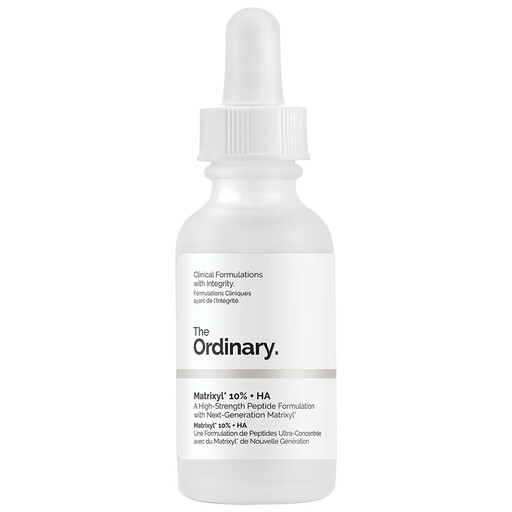
Why this product suits this profile: The handy 30 ml size and combination of several Matrixyl peptides with Sodium Hyaluronate make this a good introduction to peptide serums.
The INCI list names the peptides and hyaluronic acid it contains, rather than relying on a vague anti-ageing claim.
Water-based formula with glycerin, Matrixyl peptides and Sodium Hyaluronate; use morning and evening.
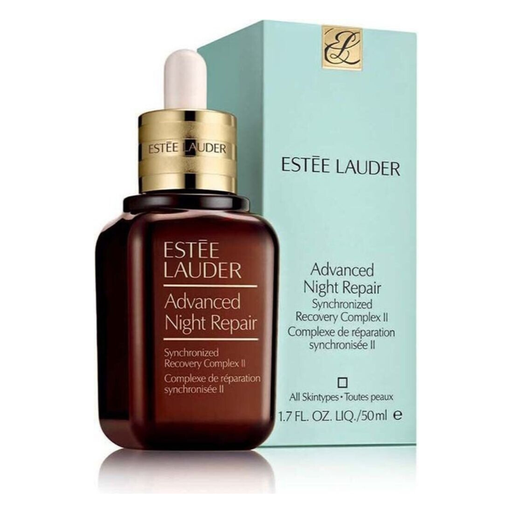
Why this product suits this profile: This serum combines Acetyl Hexapeptide-8, Sodium Hyaluronate, squalane and other nourishing ingredients in a fast-absorbing texture.
The product description and INCI list clearly show the additional hydrating and nourishing ingredients. The formula contains fragrance, which is worth bearing in mind if you have sensitive skin.
50 ml size, described as oil-free, and suitable for use morning and evening according to the manufacturer’s instructions.
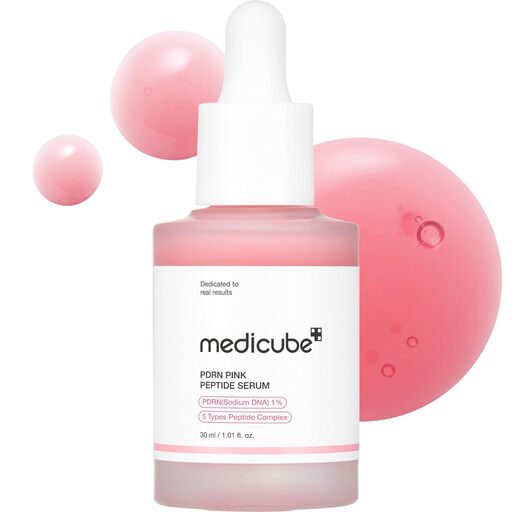
Why this product suits this profile: The formula combines PDRN, five peptides, niacinamide, panthenol and Sodium Hyaluronate for versatile daily facial care.
The advertised active ingredient groups can be identified in the listed ingredients. According to the product information, the formula contains no artificial colourants or gluten.
30 ml size, applied after toner, with a light, fast-absorbing texture according to the product description.
We’ve put together a complete, regularly updated list of products that meet these strict selection criteria and fully comply with the safety regulations in force in the EU.
A peptide serum is usually applied after cleansing and before moisturiser or oil. Two or three drops are enough for many liquid formulas, but always follow the manufacturer’s recommended amount. Avoid introducing several potent active ingredients at the same time as a new product. That makes it easier to work out which product may be irritating your skin.
If you’re choosing a serum for mature skin, the nourishing qualities of the base formula also matter. Glycerin, hyaluronic acid, panthenol or squalane can complement your routine if your skin is dry. A gel-like, fast-absorbing texture may be more practical for oily skin. Using sunscreen in the morning is still a good idea, whatever peptide serum you use.
It depends on the product directions and how well your skin tolerates it. Many formulas are designed for daily use, morning and evening. If you have sensitive skin, starting slowly, for example every other evening, is a cautious approach.
Check the best-before date and the PAO symbol on the packaging. Use ampoules after opening in line with the manufacturer’s instructions. If the colour, smell or consistency changes, stop using the product.
Yes, these ingredients are already combined in many formulas. If you’re using several separate products, build your skincare routine gradually. Pause use if you experience redness, stinging or itching.