
Lieferung heute & morgen

Qualitätsgarantie

Willkommens-Angebote freischalten: KOSTENLOSE Lieferung | Bis zu 80 % RABATT | Kostenlose 30-Tage-JoyPlus-Testphase
App herunterladen
A new family game promises quality time and laughter. But the reality is often different: the rules are too complicated, the quality is disappointing, or after just one round, the expensive game is banished to the closet forever. As a Joybuy Product Recommendation Officer, I'm here to help you separate the wheat from the chaff. In this guide, I'll show you what to look for to avoid disappointment and find a game that truly suits your family.
We'll highlight the three most common pitfalls of buying games and how you can avoid them:
Before you decide on a game, you should check three core aspects. These will help you make an informed decision that goes beyond just the theme or the packaging.
The manufacturer's age rating is an important starting point, but it should be viewed critically. It refers not only to safety aspects but also to the cognitive skills required to understand the game. A game for kids aged 8 and up often requires more strategic thinking and a longer attention span than board games for ages 6 and up. Check if the requirements (e.g., reading ability, quick maths, logical deduction) match your child's current developmental stage.
The player count is just as crucial. Are you looking for a game for a quiet evening for two with a child, or for a lively game for a kids' birthday party with many participants? Pay attention to the specified range (e.g., 2–4 players) and consider whether the game will work well with your typical family setup.
No one wants a new game to gather dust after a short time. Replay value is therefore a central quality feature. Good fun family games offer variety.
The playtime should also fit your habits. Short family card games or travel games are excellent for in-between moments, while classic board games can fill an entire afternoon.
The feel and stability of the game components significantly contribute to the playing experience. Look for the following features:
Solid craftsmanship is not just a matter of aesthetics; it ensures the game will survive many rounds—an important criterion, especially for gifts for children.
To make your decision easier, we have put together a few games based on different needs and player profiles.
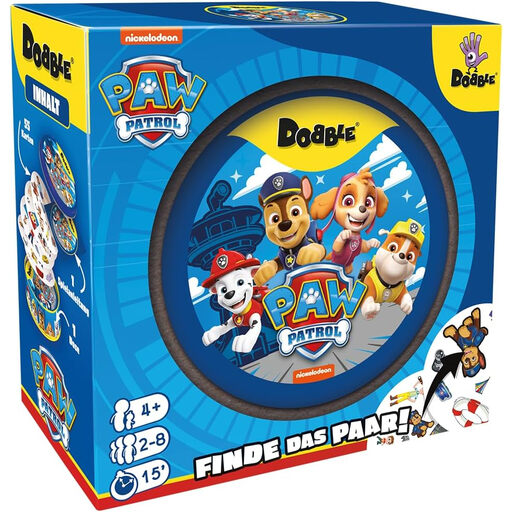
Why This Fits Their Persona: Ideal for families looking for a quick and straightforward game. The short rounds are perfect for younger children with shorter attention spans and fit well into daily life, whether on the go or between homework sessions.
The simple yet captivating gameplay ensures high replay value (avoids Trap 1). The rules are explained in a minute, which prevents frustration (avoids Trap 2).
Five different game modes provide variety. The sturdy metal tin makes it an ideal travel game.
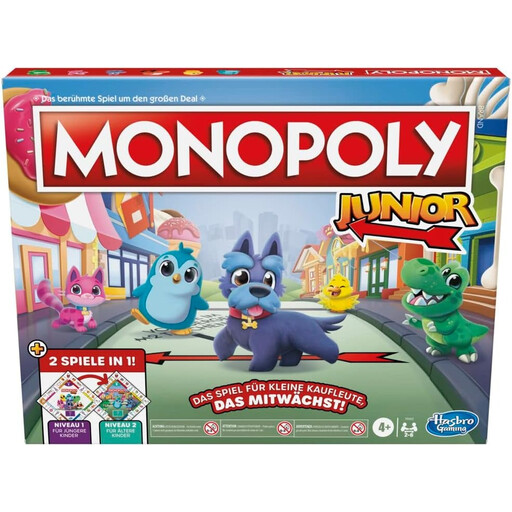
Why This Fits Their Persona: Perfect for families who want to introduce their children to classic board games. It promotes early strategic thinking and handling numbers in a playful and age-appropriate way.
The double-sided game board with two difficulty levels grows with the child, thus avoiding the "one-and-done" trap (Trap 1). The rules for each level are clear and simplified (Trap 2).
Promotes counting, reading, and an initial understanding of finances. The child-friendly locations and game pieces create a strong sense of connection.
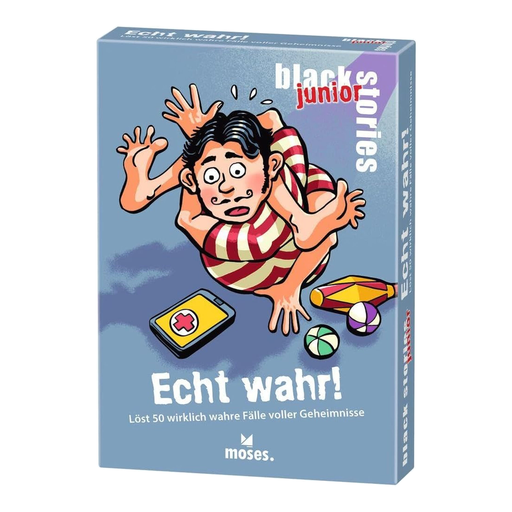
Why This Fits Their Persona: For families with children aged 8 and up who love communicative and imaginative games. It encourages logical thinking and collaborative deduction rather than focusing purely on competition.
With 50 different riddles, long-lasting fun is guaranteed (avoids Trap 1). The simple yes/no question format is easy to grasp and requires no complex setup (avoids Trap 2).
Promotes logical thinking and communication skills. Its compact size makes it an ideal game for on the go.
We have compiled a complete, up-to-date list of products that fully meet these strict selection criteria and UK safety regulations.
Good organisation is key. Use resealable bags or small containers to keep cards, dice, and small parts sorted within the original box. A rubber band around the box will prevent it from accidentally opening on the shelf. This keeps everything in its place and ready for the next game night.
Educational games for kids are useful when they playfully connect with a child's abilities without pressure. For preschoolers (3–5 years), games that teach colours, shapes, letters, or numbers in a simple way are suitable. The most important thing is that fun is the priority and the child doesn't feel like they are being tested. A good educational game fosters curiosity and the joy of discovery.
Yes, there is a wide selection of compact travel games. Card games like UNO, Dobble, or the "black stories" series are ideal as they come in small boxes or tins. Games with magnetic pieces or those that consist only of a pad and pencils are also excellent for car, train, or plane journeys. Look for sturdy packaging that can withstand being transported.