
Lieferung heute & morgen

Qualitätsgarantie

Willkommens-Angebote freischalten: KOSTENLOSE Lieferung | Bis zu 80 % RABATT | Kostenlose 30-Tage-JoyPlus-Testphase
App herunterladen
Preparing homemade sushi can be a rewarding experience—provided the foundation is right. Disappointment often stems not from a lack of skill, but from an inconspicuous yet crucial ingredient: the rice. If your maki rolls fall apart or the nigiri rice turns into a mushy paste, the wrong choice of rice is frequently the cause. Before you invest in the first bag of Japanese rice you see, you should understand the common pitfalls that lead to unnecessary expense and culinary disasters.
This guide will help you distinguish marketing hype from genuine quality indicators and find the right sushi rice for your needs—whether for an occasional sushi night or for professional use in the food service industry.
Many home cooks grab the wrong product out of ignorance. These three mistakes are particularly common and easy to avoid:
To make an informed decision, you should check three key parameters. These define the quality and suitability of the rice for your purpose.
The defining characteristic of authentic sushi rice is its variety. Look specifically for the designation short-grain rice. These rice varieties, such as Koshihikari or Calrose, naturally have a high amylopectin content. This special type of starch provides the characteristic stickiness after cooking, which holds the rice for maki and nigiri together without it becoming mushy. Washing the rice before cooking is an essential step to remove excess starch from the grain surface and prevent it from becoming gluey.
While Japan is the homeland of sushi rice, the cultivation of proven varieties has become established worldwide. Rice that is labelled as "Japanese variety" or "Japanese style" but was grown in Italy or Vietnam can be an equally high-quality and often more attractively priced option. Pay attention to the product description, which often provides information about the rice variety and its characteristics.
Sushi rice is available in various pack sizes tailored to different needs:
For larger quantities, proper storage is crucial: transfer the rice to an airtight container after opening and store it in a cool, dry, and dark place.
To make your decision easier, we have matched some products from our range to different user profiles.
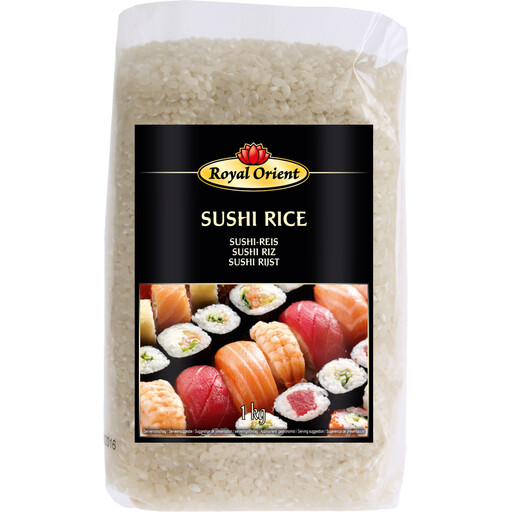
Why This Fits Their Persona: Perfect for anyone who wants to try making sushi without committing to a large quantity. The 1 kg pack is ideal for 2-3 sushi meals, ensuring it always stays fresh.
You are specifically buying a short-grain rice selected for sushi, avoiding the risk of experimenting with unsuitable pudding rice or long-grain varieties.
Low initial investment and a manageable quantity that guarantees freshness. The variety is specially selected for its stickiness and texture.
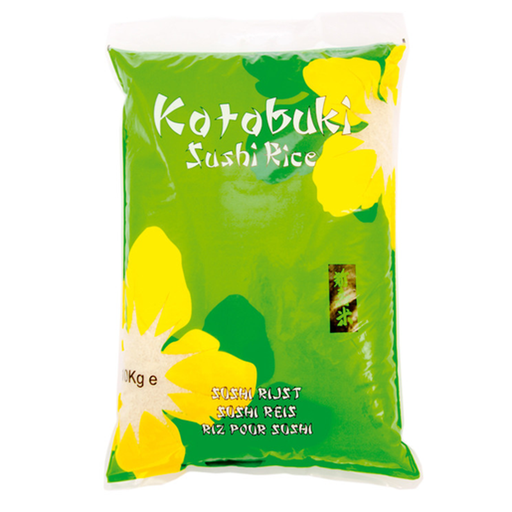
Why This Fits Their Persona: Those who prepare sushi regularly will benefit from the excellent value for money of the 10 kg value pack. The quality is consistently high, ideal for repeatable, successful results.
You bypass the higher cost-per-kilo of smaller packs and secure a supply of rice with proven quality from Italian cultivation.
An economical bulk pack for regular use. The rice is valued for its ability to hold its shape while remaining tender.
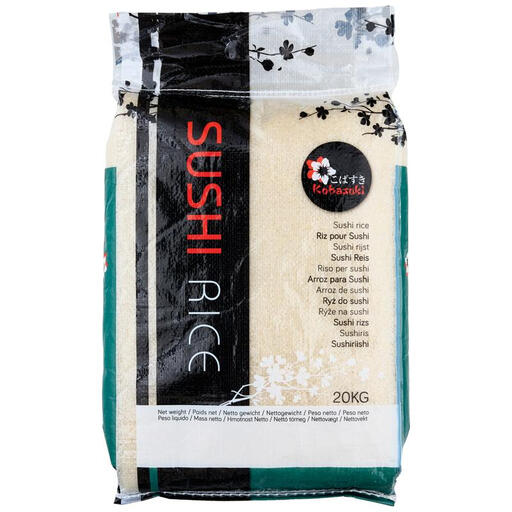
Why This Fits Their Persona: For professional kitchens where large quantities and absolute reliability are required. The 20 kg sack ensures supply and guarantees consistent quality for commercial use.
Avoids supply bottlenecks and quality fluctuations that can occur when buying smaller, consumer-focused brands.
Maximum cost-effectiveness through bulk purchasing. The rice is specially selected for its effortless formability and ideal stickiness for professional use.
We have compiled a complete, up-to-date list of products that fully meet these strict selection criteria and all relevant regulations.
It is not recommended. Although they are also short-grain rice, the starch structure of pudding rice or generic short-grain rice is often not optimised for sushi. Special sushi rice has a balanced ratio of amylose and amylopectin, which provides the perfect sticky, yet grainy texture. Pudding rice tends to become too soft and mushy, making it difficult to form nigiri or maki.
Correct storage is crucial to maintain the quality of bulk packs. After opening the sack, it's best to transfer the rice into one or more airtight containers. Store them in a cool, dry, and dark place. This protects the rice from moisture, pests, and loss of flavour.
Yes, this step is essential and a key to perfect sushi rice. Rinsing under cold, running water until the water runs clear removes excess starch from the surface of the rice grains. This prevents the rice from clumping into a gummy mass during cooking and ensures that the individual grains stick together after cooking while still retaining their shape.