
Lieferung heute & morgen

Qualitätsgarantie

Willkommens-Angebote freischalten: KOSTENLOSE Lieferung | Bis zu 80 % RABATT | Kostenlose 30-Tage-JoyPlus-Testphase
App herunterladen
An unreliable jacket can quickly ruin a planned hike or your daily commute. When rain seeps through the fabric or sweat can't escape, your body loses heat and comfort vanishes. The goal of this guide is to provide objective advice to help you find a performance jacket that is perfectly suited to your needs. We will focus on technical features and objective criteria to assist you in making your choice.
The right choice of jacket depends on measurable performance data and its intended use. Three criteria are particularly relevant.
Two key metrics are crucial for weather protection and wearing comfort: the water column and the MVTR value.
Different designs are suitable for different requirement profiles.
To be called a durable trekking jacket, a garment needs more than just waterproofing. The outer material should be abrasion-resistant to withstand the stress from backpack straps or contact with rocks. Details such as sealed seams, water-repellent zippers, an adjustable hood, and underarm ventilation significantly increase functionality and protection in changing conditions.
Based on the criteria mentioned, we have compiled a selection of models for different areas of application.
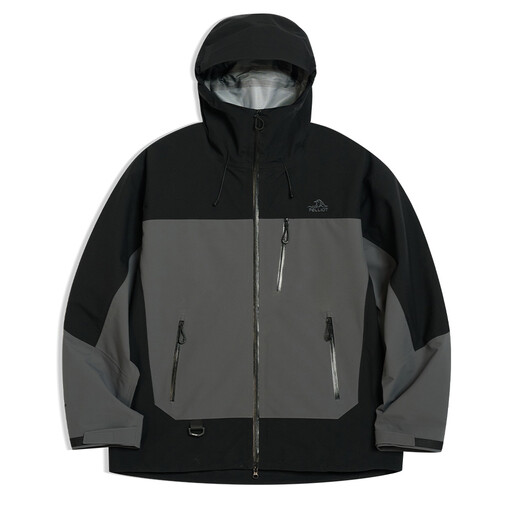
What sets it apart: This hardshell jacket is designed as a versatile companion for the city and the outdoors. According to the manufacturer, its construction is engineered for stormproof waterproofing to provide protection even in persistent heavy rain. At the same time, high breathability ensures that moisture is transported from the inside out. The abrasion-resistant fabric makes the jacket resilient against mechanical stress.
Advantages:
Who it's for: Ideal for individuals looking for a single, reliable jacket for a wide range of scenarios—from the daily commute in rainy weather to extended day hikes in the mountains.
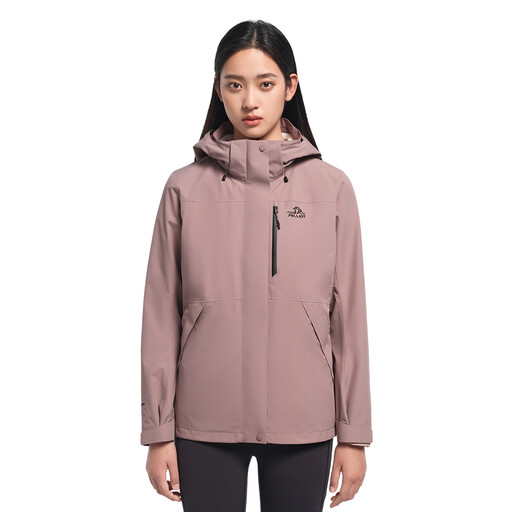
What sets it apart: This 3-in-1 jacket combines high technical performance with maximum flexibility. According to the manufacturer (JIS standard), the outer jacket has a very high water column of 35,900 mm and a breathability of 16,000 g/m?/24h. Its abrasion resistance has been confirmed in tests with over 40,000 cycles. The removable inner jacket uses heat-retention technology and has an antistatic treatment, which increases comfort in winter.
Advantages:
Who it's for: Perfect for outdoor enthusiasts who want a single solution for all four seasons. Whether for overnight camping, demanding trekking tours, or everyday life, this jacket adapts to the conditions.
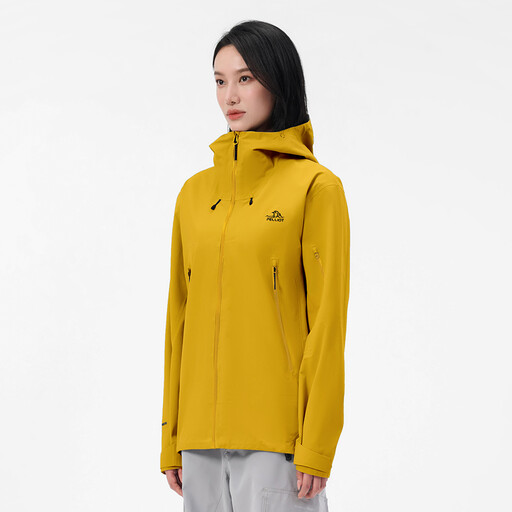
What sets it apart: This Pro version of a hardshell jacket is optimised for extreme environments and high physical exertion. It uses a lighter and more elastic fabric than standard models without compromising on waterproofing and abrasion resistance. A key feature is the extended underarm zippers for better temperature regulation. For added safety on mountain tours, a RECCO avalanche rescue reflector is integrated.
Advantages:
Who it's for: This jacket is aimed at experienced hikers, both men and women, who need a highly functional trekking jacket for demanding tours in remote or alpine regions, where low weight, maximum performance, and safety features are a priority.
If you prefer a different style or are looking for a jacket for specific, less technical occasions, a classic wax jacket could be an interesting alternative. Discover our selection of women's wax jacket here.
The water column is a unit of measurement for the waterproofness of textiles. It is specified in millimetres (mm) and describes the pressure a column of water can exert on the fabric before the first drop penetrates. A higher value means greater waterproofness.
Always follow the manufacturer's care instructions. As a general rule: wash the jacket at a low temperature on a gentle cycle with a special detergent for technical apparel. Close all zippers and Velcro fasteners before washing. Avoid fabric softener, as it can clog the pores of the membrane. The waterproof treatment can be reactivated after a few washes with heat (e.g., in a tumble dryer at a low temperature or by ironing on a low setting, if permitted by the manufacturer).
Yes, a hardshell jacket can also be very practical for everyday use, especially if you are often out in unpredictable weather. It offers excellent protection from rain and wind. However, for purely urban use without high physical exertion, its breathability might feel lower compared to a softshell jacket or a lighter rain jacket. For the commute to work or for walks, it is a very reliable choice.