
Lieferung heute & morgen

Qualitätsgarantie

Willkommens-Angebote freischalten: KOSTENLOSE Lieferung | Bis zu 80 % RABATT | Kostenlose 30-Tage-JoyPlus-Testphase
App herunterladen
A reliable performance jacket is an indispensable piece of gear, whether for a weekend hike, the daily commute, or unpredictable changes in weather. However, the sheer variety of models, materials, and technologies can be overwhelming. This guide serves to provide clarity, objectively presenting different jacket types and their features to help you make an informed decision.
As a Joybuy Product Recommendation Officer, my role is to provide you with clear, factual information to help you find the right gear for your needs.
Before choosing a model, it's important to understand a few technical basics. These criteria will help you objectively evaluate a jacket's performance.
A high-quality outdoor jacket must not only be waterproof but also breathable.
Performance jackets can be broadly divided into three categories, each designed for different requirements.
Often, it's the small details that make all the difference:
Here is a selection of models that stand out for their specific features and intended uses.
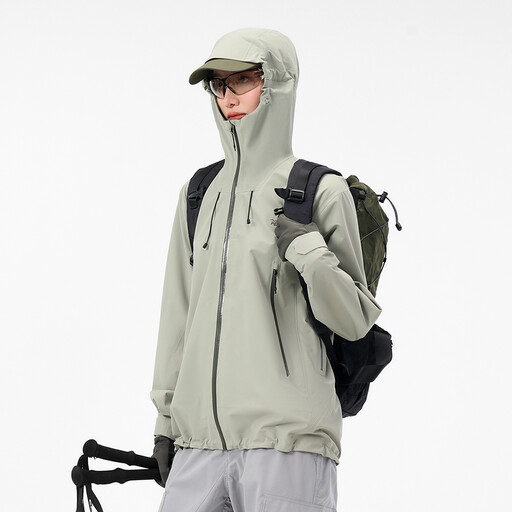
Why it stands out: This model is designed as an all-weather shell jacket for demanding environments. According to the manufacturer, the Pro version features a lighter, more elastic fabric with enhanced waterproofing and breathability. A key feature is the integrated RECCO avalanche rescue reflector, which aids in location during emergencies.
Advantages:
Who is it for?: For outdoor enthusiasts seeking a technically advanced hardshell jacket for extreme conditions, from deserts and snowy landscapes to the daily urban commute.
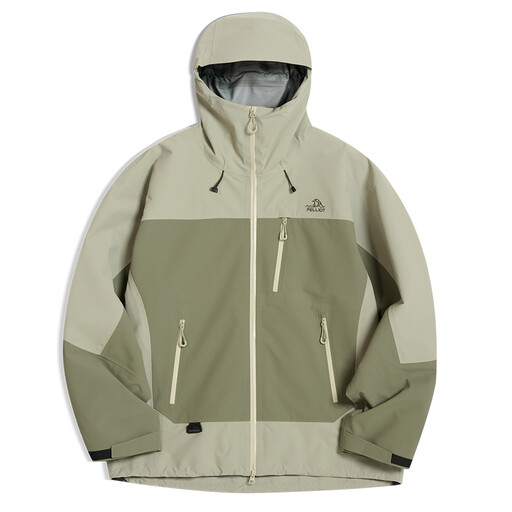
Why it stands out: This jacket combines reliable weather protection with a modern design. The manufacturer describes it as stormproof and waterproof, capable of withstanding prolonged heavy rain. At the same time, its moisture-wicking capabilities have been enhanced to ensure a dry feel during activity.
Advantages:
Who is it for?: For users looking for a functional yet stylish waterproof outdoor jacket for a wide range of scenarios—from daily city life to hikes in unpredictable weather.
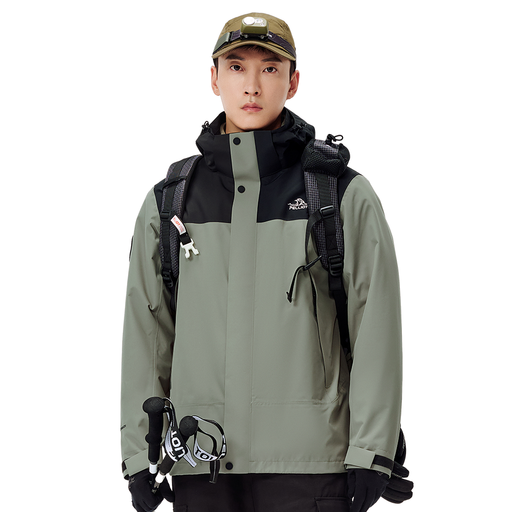
Why it stands out: This professional 3-in-1 jacket offers maximum adaptability for all four seasons. It consists of a scratch-resistant outer jacket and a removable thermal lining. According to the manufacturer, it features STORMS BREATH technology—a microporous, waterproof, and breathable membrane with taped seams.
Advantages:
Who is it for?: For pragmatic users who want a single, versatile jacket for the entire year, whether for camping, mountain hiking, or daily use.
The search for the right gear is a highly personal one. If you are specifically looking for apparel for cycling tours or wish to compare more jacket models, you can find additional options in our Men's Cycling Gear category.
A hardshell jacket is a rain jacket that offers maximum weather protection. It is completely waterproof and windproof and serves as the outermost protective layer. A softshell jacket is more flexible and breathable but is usually only water-repellent. It is better suited for intense activity in drier weather.
Always follow the manufacturer's care instructions. As a general rule, wash performance jackets at a low temperature (30-40°C) on a gentle cycle using a special detergent for technical apparel. Close all zips and Velcro fasteners before washing. To reactivate the durable water repellent (DWR) coating, a gentle heat treatment in a tumble dryer or by ironing on a low setting may be necessary.
Breathability describes a material's ability to transport water vapour (sweat) from the inside to the outside. A breathable rain jacket prevents moisture from accumulating on the inside, which would otherwise lead to a damp, cold feeling and cause you to cool down. This is especially important during physical exertion like hiking or cycling.