
Lieferung heute & morgen

Qualitätsgarantie

Willkommens-Angebote freischalten: KOSTENLOSE Lieferung | Bis zu 80 % RABATT | Kostenlose 30-Tage-JoyPlus-Testphase
App herunterladen
A permanent marker might seem like a simple product, but choosing the wrong one often leads to frustration: labels fade, the ink dries out quickly, or the tip wears down in no time. Many products don't live up to the promises on their packaging. This guide will help you identify the crucial features and avoid common buying mistakes, ensuring your markings remain durable and reliable.
Before you make a purchase, it's important to understand the typical weaknesses found in low-quality products:
To avoid these problems, you should pay attention to three key technical specifications. These will determine if a pen is suitable for your specific needs.
The ink's composition is the most important factor. A simple water-resistant pen is often sufficient for indoor use, but more demanding tasks require special properties:
The shape and size of the tip determine how you can work with the marker. The most common types are:
Some manufacturers offer features that significantly improve handling and lifespan:
Based on these criteria, we have selected a few products for typical user profiles.
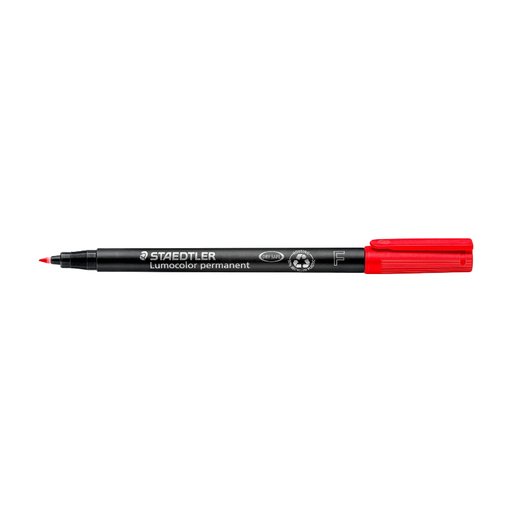
Why This Fits Their Persona: Ideal for anyone who needs a reliable pen for everyday tasks like labelling folders, storage containers, or packages. The universal ink adheres to most surfaces, and the fine tip allows for clean, neat writing.
The "DRY SAFE" technology directly counteracts the problem of drying out quickly. The ink is smudge-proof and water-resistant, offering reliable permanence for indoor use.
Quick-drying, making it suitable for left-handers; refillable to reduce waste and costs.
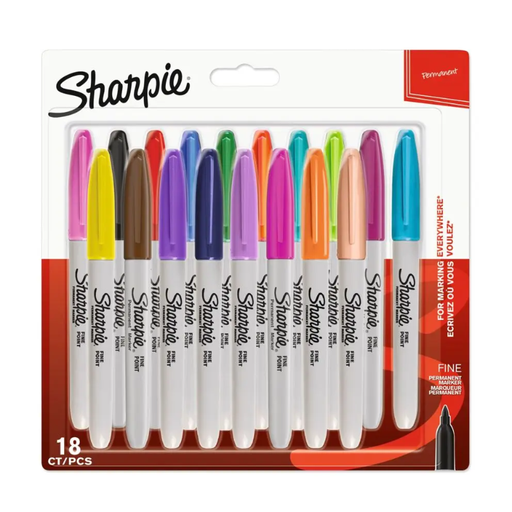
Why This Fits Their Persona: This permanent marker set is a great choice for artists, students, or anyone creating colour-coded notes and detailed drawings. The variety of colours and the fine tip allow for creative freedom and precise organisation.
The ink in Sharpie markers is known for its high resistance to fading and water. The durable fine tip resists fraying during normal use on paper and cardboard.
A wide selection of vibrant colours in one set; AP-certified ink that adheres to most surfaces, including plastic and metal.
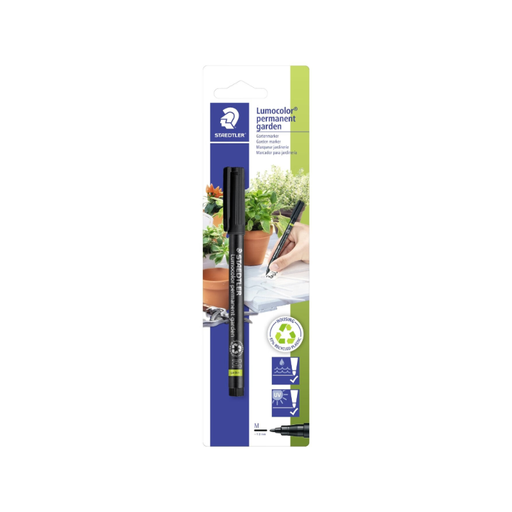
Why This Fits Their Persona: For gardeners, craftspeople, or warehouse staff who need absolutely reliable outdoor labelling. This marker is specifically designed for marking plant tags, wooden stakes, or outdoor materials.
It solves the core problem of fading ink with a special formula described as exceptionally weather- and light-resistant. The marking remains legible even in rain and sunlight.
Specialised ink for outdoor use; adheres to a variety of materials, including rough surfaces like wood or terracotta.
We have compiled a complete, real-time list of products that fully satisfy these strict selection criteria and UK safety regulations.
Although the ink is designed for permanent marking, it can often be removed from non-porous surfaces like glass, metal, or whiteboards. Alcohol-based agents like isopropyl alcohol are effective for this. In some cases, writing over the mark with a dry-erase whiteboard marker and then wiping it away can also help, as the solvents in the whiteboard marker dissolve the permanent ink.
"DRY SAFE" is a technology advertised by STAEDTLER. According to the manufacturer's claims, based on ISO 554 testing, the pen can be left uncapped for several days without the ink in the tip drying out. This significantly increases the marker's reliability and lifespan, especially in a hectic work environment.
No, this is a common misconception. While a standard permanent marker is usually water-resistant, it is not necessarily fade-resistant. The sun's UV radiation can break down the colour pigments in conventional ink within a few weeks or months, making the writing illegible. For outdoor use, you should specifically look for products that are explicitly labelled as weather-proof and fade-resistant (or "lightfast").