
Lieferung heute & morgen

Qualitätsgarantie

Willkommens-Angebote freischalten: KOSTENLOSE Lieferung | Bis zu 80 % RABATT | Kostenlose 30-Tage-JoyPlus-Testphase
App herunterladen
Whether in the office, warehouse, lecture hall, or for crafting at home—a reliable permanent marker is an indispensable tool. But the search for the right one can be frustrating. Many products promise durability and versatility, only to dry out quickly, smudge on important documents, or fail to adhere to the intended surface. Before you spend money on pens that will let you down at a critical moment, it's important to know the most common pitfalls.
Many users are frustrated by three core problems:
This guide will help you navigate these issues and find a pen that is perfectly suited to your needs.
To avoid a bad purchase, don't be swayed by marketing promises. Instead, focus on verifiable product features. Three core aspects are particularly important.
The ink determines where and how long your mark will last. A universal pen for all surfaces is typically alcohol-based and contains special solvents that ensure permanent adhesion on glass, plastic, metal, and wood. These pens are often labelled as waterproof markers.
For use on paper, such as with a flip chart marker, water-based ink is often the better choice. It prevents the colour from bleeding through the paper to the next page. Also, look for the quick-drying pens feature. This is a crucial advantage not only for left-handers but also for preventing smudges during fast-paced work.
The marker's tip defines its application. The two most common shapes are the round tip and the chisel tip.
Modern markers often offer thoughtful features that simplify daily work and extend the product's lifespan.
Instead of making a one-size-fits-all recommendation, we have identified products tailored to specific needs and user groups.
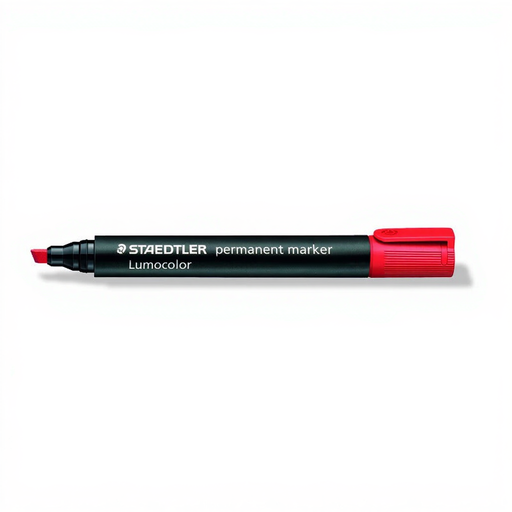
Why This Fits Their Persona: For use in logistics, workshops, or presentations where reliability on a wide variety of surfaces is essential. The quick-drying ink and robust design are built for demanding environments.
The DRY SAFE technology prevents the pen from drying out, even if left uncapped for days. The ink is smudge-proof and waterproof on almost all surfaces, solving the problem of poor adhesion.
Universal use on glass, plastic, metal, etc.; refillable with STAEDTLER station 488 50; Airplane-Safe for travellers.
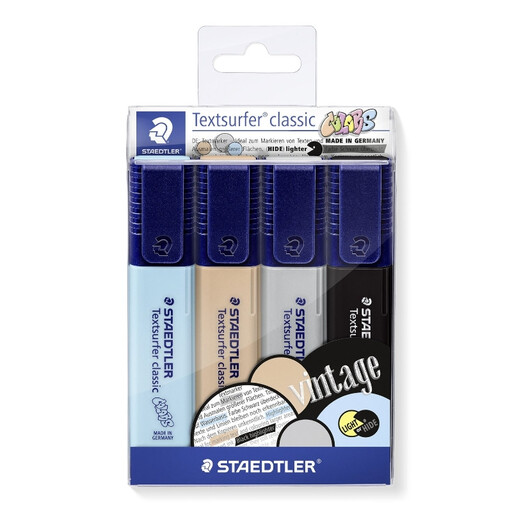
Why This Fits Their Persona: Ideal for structuring study materials, bullet journaling, or organising documents. The set offers a selection of subtle colours for clear organisation without harsh tones.
The water-based ink is optimised for paper and does not bleed through. It dries quickly, preventing smudging on handwritten notes or printouts—a common pitfall with conventional highlighters.
Large ink reservoir for a long service life; chisel tip for variable line widths (1-5 mm); practical highlighter set for colour-coding.
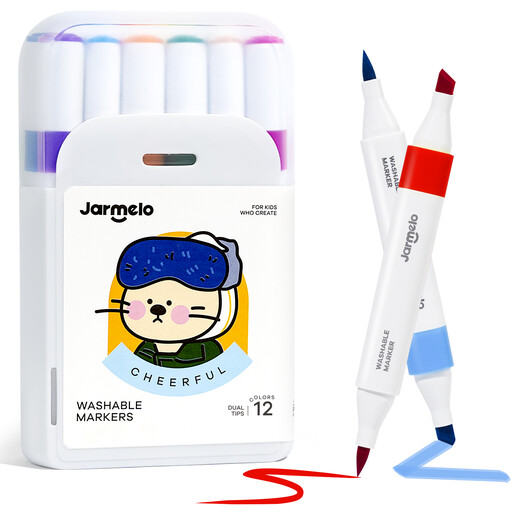
Why This Fits Their Persona: For parents looking for safe and practical pens for their children. The washable ink and durable tips are ideal for creative projects without the worry of permanent stains on clothes or furniture.
This product avoids the "wrong pen for the wrong purpose" pitfall. Instead of a permanent marker, it offers a safe, washable alternative designed specifically for children. The ventilated caps also minimise the risk of choking.
Dual tip (brush and chisel) for versatile drawing; non-toxic, odourless, water-based ink; according to the manufacturer, it is 90% washable from skin and most fabrics.
We have compiled a complete, up-to-date list of products that fully meet these strict selection criteria and all relevant safety standards.
1. How can I remove a permanent marker from smooth surfaces like glass or whiteboards? Although the ink is considered permanent, it can often be removed from non-porous surfaces with household remedies. A common trick is to write over the mark with a dry-erase marker. The solvents in the dry-erase marker can dissolve the permanent ink, allowing both to be wiped away together. Alternatively, rubbing alcohol (isopropanol) or a magic eraser can be effective. Always test the method on an inconspicuous area first.
2. What does "DRY SAFE" on pens really mean? "DRY SAFE" is a term used by manufacturers like STAEDTLER to describe a special ink technology. According to the manufacturer (based on the ISO 554 test), this technology prevents the ink in the pen tip from drying out, even if the pen is left uncapped for several days. This significantly increases the marker's lifespan and reliability, especially in environments where replacing the cap immediately is often forgotten.
3. Are refillable pens more cost-effective in the long run? Yes, in most cases, refillable pens are a more economical choice. The initial purchase price for the pen may be slightly higher, but the cost of a refill ink or a refill station is significantly lower than buying a completely new marker. It also reduces plastic waste, making it a more sustainable option. Models like the STAEDTLER Lumocolor are known for being easy to refill.