
Lieferung heute & morgen

Qualitätsgarantie

Willkommens-Angebote freischalten: KOSTENLOSE Lieferung | Bis zu 80 % RABATT | Kostenlose 30-Tage-JoyPlus-Testphase
App herunterladen
A permanent marker is designed to write permanently, but not every model is suitable for every use. A pen may work perfectly well on paper, while the ink beads on plastic, smudges on glass or fades quickly outdoors. The term ‘waterproof’ does not always tell you how a mark will stand up to rubbing, UV light or frost, either.
So, if you’re looking to buy a waterproof permanent marker or a set of permanent markers, don’t focus only on colour and price. The nib, ink formula, surface and intended use all matter.
Permanent ink adheres to many materials, but how long it lasts depends on the surface. On absorbent wood or card, the ink soaks in and can be difficult to remove. On smooth glass or plastic, however, rubbing or the right cleaning products can affect it. So, choose a marker for glass, plastic, metal and wood that is specifically designed for those materials.
Once dry, a waterproof marker may resist splashes or brief contact with moisture. For plant labels, wooden stakes and other garden uses, light and weather resistance are also important. Direct sunlight, rain and changes in temperature put greater demands on the ink than office labelling does.
A fine-tip permanent marker with a line width of around 0.4 to 0.6 mm is suitable for small labels, lettering and details. A chisel tip measuring, for example, 2 to 5 mm covers larger areas and can create lines of different widths. If you choose a nib based only on how it looks, you may end up with writing that’s too wide for the label or a mark that’s too faint.
Line width affects readability, ink usage and what the marker is suitable for:
Check the line width specified by the seller. The actual line may vary depending on pressure, writing angle and material.
For indoor use, quick-drying, smudge-resistant ink is often enough. When labelling laboratory equipment, packaging or workpieces, details about water resistance, ink odour and light resistance matter more. A weatherproof garden marker should be specifically designed for outdoor use.
The product details for the STAEDTLER Lumocolor Garden Marker specify black ink with a line width of around 1.0 mm, as well as water, light and weather resistance. Even so, it’s a good idea to test the mark somewhere discreet first. Permanent ink can be particularly difficult to remove from porous materials.
A sturdy polypropylene barrel can make a marker more comfortable to use every day. A cap that closes securely is even more important. Certain STAEDTLER models feature DRY SAFE technology, which is said to let the nib stay uncapped for longer; according to the product description, this feature has been tested to ISO 554. This doesn’t mean you should leave the cap off after use.
A refillable permanent marker can reduce the need to buy new pens if you use one often. Check that a compatible refill station is available for the model you’re considering. STAEDTLER models, for example, are listed as compatible with refill stations 487 17 or 488 50; check compatibility before buying.
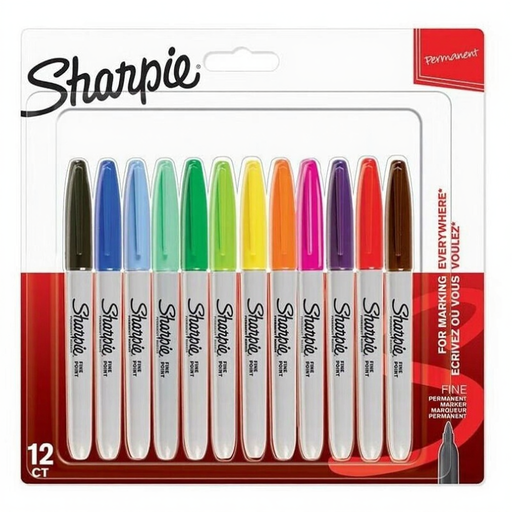
Why it suits this type of user: This pack of 12 offers a choice of colours and a fine tip for school, the office, labelling and creative projects on a range of materials.
The stated metal tip is designed to produce a line of around 0.5 mm. According to the product description, the ink dries quickly and is water- and light-resistant.
12 colours, a fine tip and, according to the seller, suitability for paper, plastic, metal and wood.
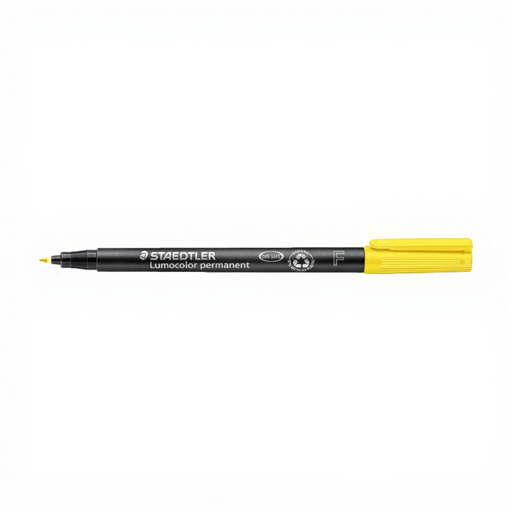
Why it suits this type of user: The fine 0.6 mm tip and versatile design make it a good choice for precise labelling in the office, at school or for technical tasks.
The product details specify quick-drying, smudge- and water-resistant ink, as well as the option to refill it using station 487 17.
0.6 mm line, DRY SAFE feature tested to ISO 554 and a refillable design.
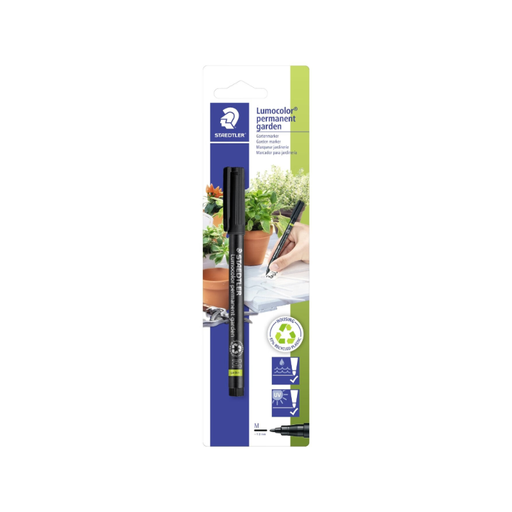
Why it suits this type of user: Gardeners and landscapers will appreciate that it is designed for plant labels, wood, ceramics, metal, glass and plastic.
The product description specifies resistance to weather, water and light. This makes it better suited to outdoor use than an ordinary office marker.
Black 1.0 mm round tip, quick-drying ink and designed for use on both rough and smooth outdoor materials.
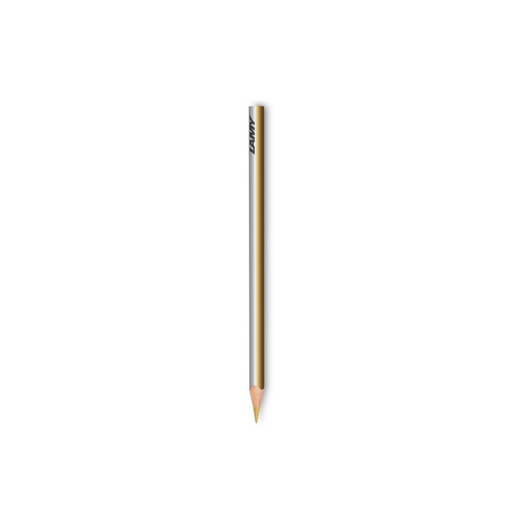
Why it suits this type of user: This metallic marker is designed for decorative projects, presentations, cards and crafts on paper, card and wood.
The product details specify the recommended surfaces for use. Before starting your design, shake the marker, prime it on scrap paper and replace the cap after use.
Gold metallic ink, lines around 1 to 2 mm wide and quick-drying pigment ink, according to the product description.
We’ve put together a complete, regularly updated list of products that meet these strict selection criteria and fully comply with the safety regulations in force in the EU.
For an even result, first remove dust, grease and moisture from the surface. If you’re working with an unfamiliar material, test the marker on a hidden area first. Permanent ink can be difficult to remove from painted surfaces, textiles, wallpaper and delicate plastics, and may leave a lasting mark.
After use, make sure the cap clicks securely into place. Store markers as directed by the manufacturer, often horizontally or with the tip facing downwards. Good ventilation is advisable when using solvent-based ink. Don’t use permanent markers on your skin or near food unless the manufacturer specifically says they’re suitable for this.
Models with universal permanent ink are often designed for use on glass and plastic, according to their product descriptions. However, adhesion depends on how clean the surface is, its coating and how much friction it’s exposed to. Test the mark before using it for permanent labelling.
How long it lasts depends on the amount of ink, the writing surface, how securely the cap closes and how often you use it. A tightly fitting cap helps prevent the ink from drying out. If you use a marker frequently, a refillable model may be more economical than a disposable one.
‘Waterproof’ mainly refers to resistance to water once the ink has dried. A weatherproof garden marker is also designed to cope with factors such as sunlight and changing weather. For outdoor marking, look specifically for details about light and weather resistance.