Frozen mocha fans who use ice cubes
You want an icy rather than simply chilled consistency, so you check whether the instructions say that the exact appliance and cup you’ll use are suitable for ice cubes.


Choose a model whose instructions expressly permit ice cubes or frozen ingredients in the exact blending cup you plan to use; wattage alone isn’t enough to confirm this. A plug-in blender cup is handy for a break at home, while a cordless model is a good choice if you want to blend without a socket, as long as you follow its filling and usage instructions. Let the coffee cool first unless the instructions specify a suitable temperature range.
You want an icy rather than simply chilled consistency, so you check whether the instructions say that the exact appliance and cup you’ll use are suitable for ice cubes.
You make your drink at home during a short break and want the cup and other parts to be easy to clean afterwards.
You want to drink straight from the blending cup or take your drink with you in it, so cup size and a suitable lid are important considerations.
For a single frozen mocha, check that the specific model is approved for ice before considering wattage or cup size.
| What matters | What to look for | Who is it important to? |
|---|---|---|
| Ice and frozen ingredients | Express approval for ice with the specific model and blending cup; limits on ingredients and blending time. | If I want a properly icy mocha rather than just a cold drink, the appliance must be suitable for processing ice. Around 36% of consumers prioritise ice processing. |
| Cleaning up after a break | Cleaning instructions for the blade, cup and lid; which parts are dishwasher-safe. | During a short break, I want to clean the cup, lid and blade unit without having to wash every part separately. Around 29% of consumers put easy cleaning first. |
| Single servings and drinking cups | Usable blending capacity rather than just cup volume; a drinking lid and compatible replacement cups. | If I want to take my drink with me in the same container, a suitable serving size and lid matter more than a large jug. Around 21% of consumers prioritise single servings and portability. |
| Spare parts and servicing | What’s included, compatible replacement cups and repair options for the exact model variant. | If I’m considering replacement cups and repair options, the long-term usability of the specific model matters too. Around 14% of consumers put spare parts and servicing first. |
Power ratings and suitability for ice are two different things. Severin expressly lists ice cubes for the SM 3743; WMF’s specifications for the Kult X Mix & Go mention the cup and power, but don’t confirm that it’s approved for ice.
Check the specifications for the exact model and blending cup to confirm approval for ice, as well as any limits on ingredients and blending time.
The cup’s size may not match the maximum fill level allowed when blending. This could affect how much you can make in one go.
Before planning your serving, check the fill line or the stated maximum blending capacity.
WMF lists a replacement cup for certain Mix & Go models, while Severin doesn’t list a repair service for the SM 3743. Information about one model doesn’t automatically apply to other appliances from the same brand.
Compare the full model number with the accessory compatibility list and the service information for that specific model.
Compact Mix & Go appliances for individual drinks; Mix & Go Touch and Kult X Mix & Go are different models.
The Smoothie Mixer SM 3743 is an option for shoppers looking for a model expressly approved for ice and supplied with two Mix & Go cups.
The BlendBoss is a plug-in option with programmes and a travel cup; Blast is a different, cordless appliance.
The Pro 900 is a plug-in blender supplied with a to-go cup.
This selection includes personal blending/drinking cups and a larger jug blender. When it comes to ice, check that the specific model variant is approved for it. If this isn’t expressly confirmed, check the manufacturer’s instructions before use.
 No image available
Its expressly stated ice-crushing function and travel cup make it a good fit if you want to blend a frozen mocha and take it with you in the cup.
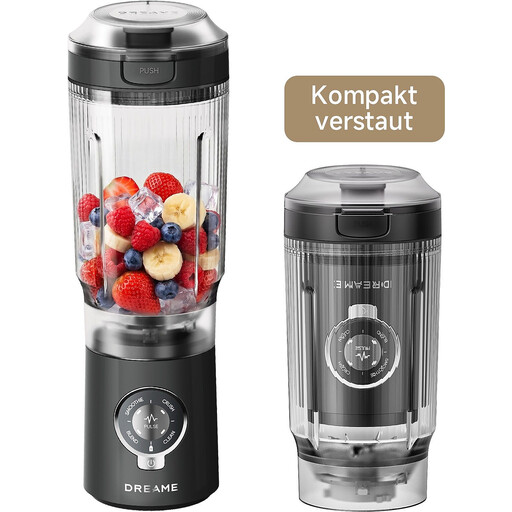
The product name lists three automatic programmes, a 710 ml cup and dishwasher-safe parts.
 No image available
The specifications list cordless operation and ice crushing, making it a possible choice if you want to blend without a socket.
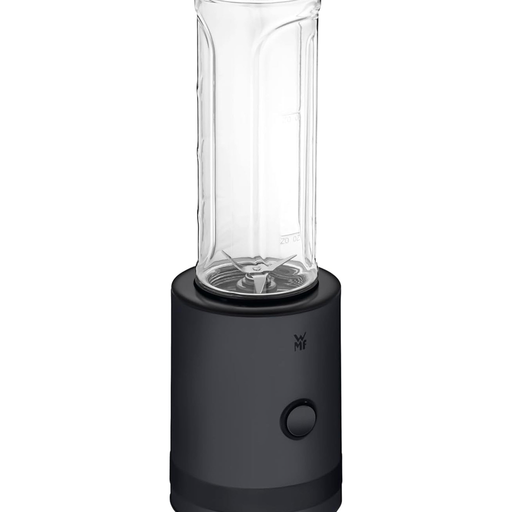
Features include a 0.88-l cup, USB-C charging and a drinking lid with a handle.
 No image available
Two blending/drinking cups are handy if you want to make a serving and take it with you in the same container. Check that this exact model variant is approved for ice before using it.
The product specifications list two cups, each with a capacity of 0.6 l. According to the product information, the appliance should be run for no more than one minute at a time; boiling liquids must not be added. The stated temperature limit is 60 °C.
 No image available
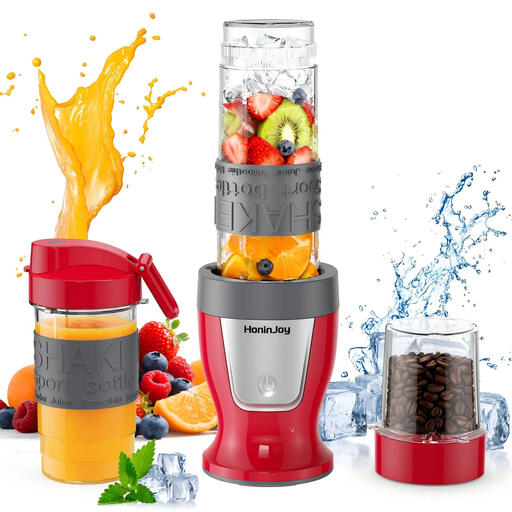
The product specifications list an ice-crushing function and two portable cups for individual servings to take with you.
Features include a 20-oz cup, a 14-oz cup and a grinding cup.
 No image available
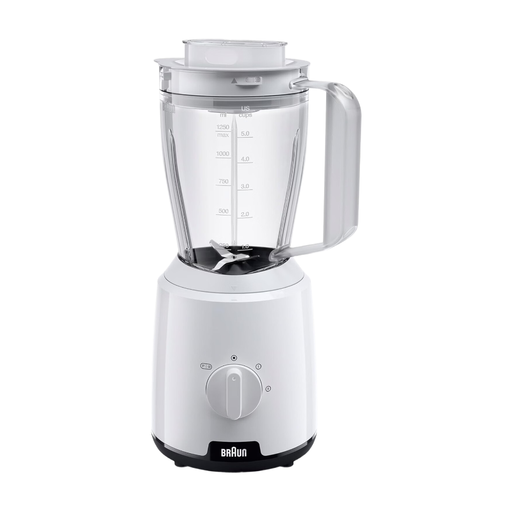
This is a jug blender with a 1.5-l blending jug rather than a personal drinking cup; its stated ice-crush function is useful for making a frozen mocha.
The product name lists two speeds and an ice-crush function.
Only if the instructions expressly permit that temperature. The F.A.Z. Kaufkompass says the tested Ninja BlendBoss isn’t suitable for warm liquids; if the manufacturer doesn’t confirm otherwise, cooled coffee is the safer choice.
It depends on the instructions for the specific appliance. Severin lists ice cubes as a permitted ingredient for the SM 3743, but doesn’t allow dry ingredients to be processed on their own without liquid. Follow the ingredient and operating instructions for the model you choose.
Electrical appliances must meet the relevant EU requirements, including the required CE marking. According to the European Commission, CE is the manufacturer’s declaration and not an independent quality mark; parts that come into contact with your drink must also comply with EU rules for food-contact materials. Check the manufacturer’s information for the specific model and the parts that come into contact with your drink.
Check that the cup and blade unit are correctly fitted and screwed into place. According to Severin, otherwise the safety switch will prevent the appliance from starting; other models may have a different locking mechanism.
In Germany, electrical waste must not go in household rubbish. The Federal Ministry for the Environment lists local collection points and retailers as return options, subject to the conditions set out in the Electrical and Electronic Equipment Act (ElektroG).