What to look for when buying
First, compare your portion size with the actual usable capacity. Then check how to clean each part and whether the appliance is suitable for the ingredients you really want to use.
| What you need |
What to check before buying |
Who this matters most to |
| Blend one portion and take it with you |
Fill markings, drinking lid and space required; don’t assume the stated container capacity is the recommended recipe quantity. |
If I want to drink my smoothie straight from the blending cup during my break or take it with me, the right cup is what matters most. Around 36% of consumers prioritise single portions and portability. |
| Easy cleaning after blending |
Read the care instructions for the cup, lid, seal and blade unit separately. |
If I blend often, I want to know in advance which parts need to be washed by hand. Around 29% of consumers put ease of cleaning first. |
| Consistency and ingredients |
Check the instructions to make sure the appliance is suitable for the ingredients you plan to use; for frozen ingredients, look for a specifically suitable function. |
If I want to use frozen ingredients as well as fresh kiwi, a function designed for that purpose matters more to me than a high wattage alone. Around 21% of consumers prioritise consistency and ingredients above all else. |
| Make several glasses |
Compare the usable capacity, space required and fill limits of the specific container. |
If I occasionally make several portions at once, I need a container that can handle that amount. Around 14% of consumers say making several glasses is their top priority. |
Joybuy products for different portion sizes
This selection includes compact blenders with travel or drinking cups for single portions, as well as a model with an extra blending jug for the occasional larger batch.
 No image available
Ninja BlendBoss with 710 ml travel cup
A good fit if you want to blend straight into the travel cup and take your smoothie with you.
The description lists a smoothie programme, frozen ingredients and removable dishwasher-safe parts.
View at Joybuy
 No image available
3-in-1 blender, 800 W
One option if you’d like to make a single serving in the travel bottle, but occasionally prepare several glasses in the blending jug.
The product details list a 600 ml travel bottle, a 1,500 ml blending jug and a 300 ml chopper.
View at Joybuy
 No image available
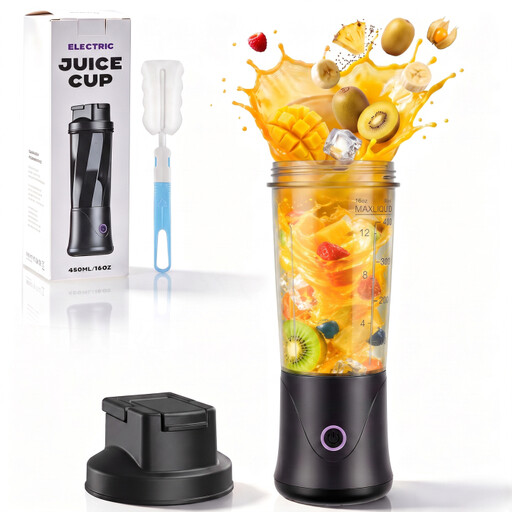
Portable smoothie blender, 400 ml
The cup is designed for a single portion to take with you.
The details list six blades and removable parts that can be cleaned separately.
View at Joybuy
 No image available
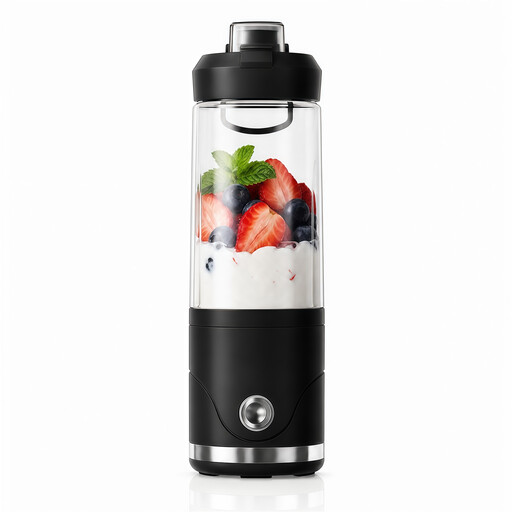
Portable USB-C blender, 650 ml
A good choice if you’re looking for a portable blender with USB-C charging for smoothies on the go.
The description lists six stainless steel blades and a self-cleaning mode. Don’t immerse the motor housing in water or use hot liquids.
View at Joybuy
 No image available
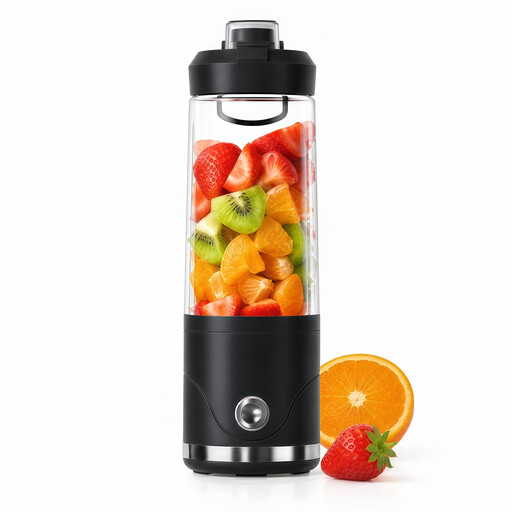
Mini smoothie maker, 650 ml
A good fit if you want to make a single portion in the portable cup and take it with you using the leakproof screw-on lid.
The description lists six stainless steel blades and a self-cleaning mode.
View at Joybuy
Frequently asked questions
Does a blender need a particularly high wattage for a fresh kiwi smoothie?
No. You can’t reliably judge blending results from wattage alone. The Association for Consumer Information (VKI) points to the way the motor, blade and container work together; its test isn’t an individual assessment of the models mentioned here.
How should I prepare the ingredients and clean the blender afterwards?
Use fresh ingredients with no signs of spoilage, and wash fruit thoroughly. The German Federal Institute for Risk Assessment recommends this hygiene step for smoothies. Unplug the appliance before cleaning it and follow the instructions for the specific model. For the nutribullet, the manufacturer recommends hand-washing the blade, while the cup is described as dishwasher-safe.
What are my rights in Germany if the blender is faulty?
For newly purchased goods, consumers can generally exercise their statutory rights against the seller within two years of the goods being handed over or received. The consumer advice centre distinguishes these statutory rights from a voluntary manufacturer’s guarantee, the terms of which depend on the individual offer.
What rules apply to parts that come into contact with food?
EU rules on food contact materials also cover food-processing equipment. They state that, under normal or foreseeable conditions of use, materials must not transfer substances to food in quantities that could endanger health. This general rule does not, by itself, confirm that an individual blender is compliant or defective.
Can I put an old electric blender in my household rubbish?
No. According to information from the German Federal Ministry for the Environment, old electrical appliances must be collected separately and taken to an authorised collection point, such as a local authority recycling centre. Whether a particular retailer is required to take it back depends on the statutory conditions.


