
Lieferung heute & morgen

Qualitätsgarantie

Willkommens-Angebote freischalten: KOSTENLOSE Lieferung | Bis zu 80 % RABATT | Kostenlose 30-Tage-JoyPlus-Testphase
App herunterladen
The technology behind at-home LED light therapy has evolved significantly in recent years. An LED mask promises to take your skincare routine to the next level. However, the market is crowded and full of marketing claims that make an informed decision difficult. Before you invest, it's crucial to understand the most common pitfalls that can lead to disappointment and wasted money.
This guide focuses on the objective criteria that define a quality LED face mask, helping you separate the effective from the ineffective.
Many purchasing decisions are driven by marketing hype rather than technical facts. Pay close attention to these three points to avoid making a poor choice:
To make an informed choice, you should focus on the following technical aspects. These form the basis for effective at-home light therapy.
Each colour of light has a different wavelength and is associated with different skincare benefits. A good mask should specify the precise wavelengths for its respective programmes.
red light therapy for the face. It is often used in the context of improving skin texture and reducing the appearance of fine lines.Consistent use is the key to success. Therefore, comfort and ease of use are crucial.
Instead of making a one-size-fits-all recommendation, we have matched products based on different needs and priorities. An LED mask test conducted by you is still the best approach, but this shortlist can point you in the right direction.
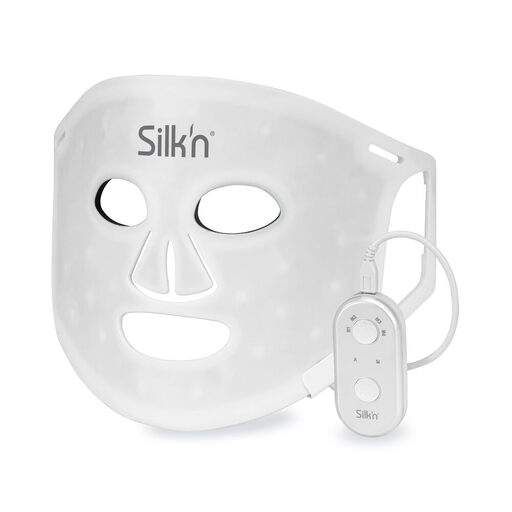
Why it's a good fit: Ideal for users who want to try LED therapy with different light colours. It offers four modes (Red, Blue, Yellow, Purple), covering a broad spectrum of needs without overwhelming the user with too many features.
The soft silicone material ensures a good fit and high comfort, thus avoiding the pitfall of an uncomfortable, rigid mask. This makes consistent use easier.
Offers four precisely defined wavelengths (622 nm, 463 nm, 592 nm, 425 nm) and cordless operation for maximum flexibility during treatment.
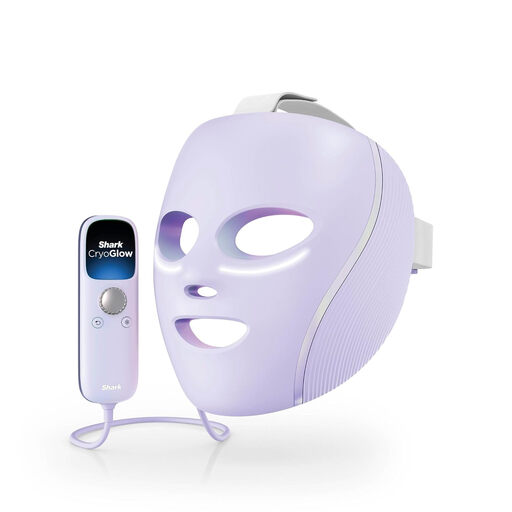
Why it's a good fit: This device is aimed at users seeking targeted results who value additional comfort features. The combination of LED light and cooling eye pads provides a comprehensive treatment experience.
Instead of advertising the sheer number of LEDs, the manufacturer points to results from user studies for specific programmes (Red Light + Infrared; Blue Light). This avoids the trap of vague marketing promises.
Combines Red Light and Blue Light therapy with a unique, optional cooling function for the eye area (InstaChill technology). The programmes are designed for specific goals, such as improving skin redness or blemishes.
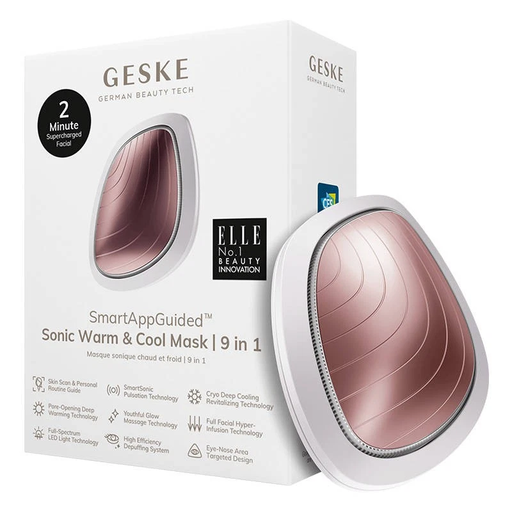
Why it's a good fit: This device is more than just an LED mask. It's an all-in-one tool for tech lovers, combining LED light with sonic vibrations, heating, and cooling functions, all controlled via an app. It offers a comprehensive at-home spa experience.
Instead of focusing on just one aspect, this device offers clear added value by combining multiple technologies (LED, sonic, heat, cold). The focus is on multifunctionality, not on exaggerated individual claims.
9-in-1 functionality with app control for individual customisation. The combination of heat (to open pores) and cold (to soothe and reduce puffiness) complements the LED and sonic technology.
We have compiled a full list of products that meet our selection criteria. Find the right device for your individual skincare goals.
The recommended frequency of use varies by manufacturer and device. Typically, recommendations range from 3 to 5 sessions per week, each lasting 10 to 20 minutes. For precise instructions, it is essential to consult the user manual for your specific model. Consistency is crucial for achieving results.
Most masks available on the market are designed to protect the eye area, or it is recommended to keep your eyes closed during use. It is important to follow the manufacturer's safety instructions carefully and not to look directly into the LEDs. Products sold in the EU must meet specific safety standards.
An LED mask is the device that enables light therapy for the face at home. Red light therapy is a specific application of this technology that uses red light (typically in the 620-700 nm wavelength range). Many modern LED masks are multifunctional and offer other light colours, such as blue or yellow, in addition to red light to address various skin concerns.