If the care label says a particular pet bed cover is machine-washable, washing the whole cover is usually the obvious choice. GINETEX Germany and the German Cosmetic, Toiletry, Perfumery and Detergent Association explain that the number in the wash tub indicates the maximum recommended temperature. A spot cleaner can complement your laundry routine if you regularly need to treat individual stains on suitable upholstery. In a shared cleaning cupboard, consider not only the machine’s dimensions but also space for its hose and cable, and how to clean the parts you’ve used afterwards.
Who is this decision relevant to?
Pet owners with a washable cover
If you want to clean a removable pet bed cover, check its care symbols first and assess the filling or bed core separately. GINETEX Germany and the German Cosmetic, Toiletry, Perfumery and Detergent Association explain care labels for textiles.
People sharing a cleaning cupboard
As well as space for the machine, you’ll need room to store the hose, cable and accessories neatly, and easy access to the parts that need cleaning afterwards. Manufacturers’ guidance on dimensions and storage varies by model, for example between the Kärcher SE 3 Compact Home and the BISSELL SpotClean HydroSteam Pro.
Households dealing with frequent pet stains
If you regularly want to treat individual stains on suitable, non-removable upholstery, compare the nozzles and tanks, as well as the effort involved in aftercare. BISSELL and Kärcher describe machines designed for spot-cleaning upholstery.
What should you consider when buying?
Start with the care label. It will help you decide whether machine washing, additional spot cleaning or no extra appliance is the right choice for your needs.
Machine-wash a suitable cover
A good fit if: the care label for that particular cover allows machine washing and you need to clean a larger area.
Bear in mind: A washable cover doesn’t mean the filling or bed core can be washed, and it won’t replace a spot cleaner for other upholstery.
Use a spot cleaner as well
A good fit if: individual stains regularly appear on textile surfaces suitable for wet cleaning and the machine fits in your cupboard.
Bear in mind: You’ll still need to empty, rinse and dry the parts you’ve used after cleaning.
Don’t buy an extra appliance just yet
A good fit if: you mainly clean removable, machine-washable covers and don’t regularly need to treat other suitable upholstery.
Bear in mind: You won’t have a suitable appliance for spot-cleaning fixed upholstery with water.
| Buying priority |
What to check before buying |
Who is it most relevant to? |
| Suitability for cleaning |
Check the care symbols for the cover and, where relevant, the bed core separately. If you’re considering a spot cleaner, make sure the textile is suitable for wet cleaning. |
If you’re deciding whether to put the cover in the washing machine or need a machine for individual stains, textile care is the key consideration. Around 31% of consumers mainly want to make sure the cleaning method is right for the cover. |
| Space in the cleaning cupboard |
Compare the machine’s dimensions with the available shelf space and check how the hose, cable and accessories can be stored. |
If you share the cupboard, you’ll need a dedicated spot for loose parts too, and will want to put everything away neatly after use. Around 31% of consumers prioritise shared storage. |
| Recurring pet stains |
Compare the upholstery or crevice nozzles supplied with the machine, and check whether it has separate clean- and dirty-water tanks. |
If you regularly want to treat small stains on suitable textile surfaces, the right attachments and ease of use matter. For around 23% of consumers, dealing with frequent pet stains is the top priority. |
| Aftercare and ongoing effort |
Check the instructions for cleaning the tank, nozzle and hose, and take note of what’s included and which cleaning products are suitable for the model. |
If you don’t want to spend ages emptying and rinsing the machine after every use, compare how easy its parts are to reach and what cleaning involves in practice. Around 15% of consumers put maintenance and the cleaning products they need first. |
Common mistakes to avoid
-
Assuming “washable cover” applies to the whole pet bed
Care instructions apply to the specific textile they refer to. They don’t mean the filling or bed core can be washed; cleaning these incorrectly may mean extra drying or replacement costs.
Check the care instructions for the cover and the other parts separately.
-
Measuring only the machine’s casing
The hose, cable and accessories also need space in a shared cupboard and must be put away after use.
Measure the available shelf space and check how the particular model stores its accessories and cable.
-
Assuming “self-cleaning” means there’s no maintenance
A rinse function only makes part of the cleaning process easier. You’ll still need to empty, clean and dry the tanks, nozzles and other used parts as instructed.
Check which areas you can actually reach and what cleaning steps the instructions still require.
-
Assuming steam or stain-removal claims make a cleaner suitable for every cover
A machine setting or advertised stain-removal performance doesn’t prove that a particular cover can withstand water, brushes or heat.
Check the textile’s care instructions first, then compare the machine’s features.
Key brands to consider
BISSELL
The SpotClean range is designed for spot-cleaning upholstery. The SpotClean HydroSteam Pro adds a steam setting to its spray-and-suction cleaning.
- For the HydroSteam Pro, BISSELL lists two separate tanks, brush attachments in 7 cm and 12 cm widths, and a HydroRinse tool.
- The specific model described weighs 5,9 kg according to the manufacturer. The steam setting doesn’t mean it’s suitable for delicate pet bed covers, and claims of improved stain removal come from the manufacturer.
Kärcher
The SE 3 Compact Home is a spray extraction cleaner for upholstery and medium-sized textile surfaces.
- Kärcher lists an upholstery and crevice nozzle, on-board storage and a rinse function. Its dimensions of 450 × 225 × 260 mm may help when measuring a shelf.
- At 4,3 kg without accessories and with separate tanks, this model isn’t a handheld-only machine. Claims about cleaning depth come from the manufacturer.
Philips
The 3000 Series XW3192/11 spot cleaner is described as suitable for spot-cleaning a range of soft surfaces.
- Philips lists a 3-in-1 nozzle and highlights its suitability for storage where space is limited.
- The manufacturer’s description doesn’t confirm that a particular pet bed cover or cupboard shelf is suitable.
Hoover
The HS500 011 combines spraying, brushing and suction with removable parts for cleaning after use.
- Hoover lists a cable rewind, removable brush covers, a large dirty-water tank opening, and separate tank capacities of 1,5 l for clean water and 0,8 l for dirty water.
- The heading and technical table contradict each other about the automatic cleaning programme: the table lists it as “No” for the HS500 011. Don’t rely on this feature being included.
Spot cleaners at Joybuy
The Joybuy machines below are presented as spot cleaners for occasional cleaning of suitable textile surfaces. They don’t replace machine-washing a pet bed cover when its care label says that’s suitable.
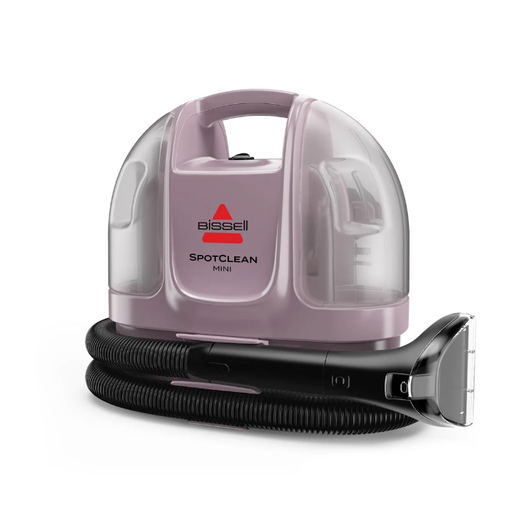 Image unavailable
BISSELL SpotClean Mini, portable carpet and upholstery cleaner
For spot-cleaning suitable upholstery; the product title describes a triple-action cleaning system.
Compact design, according to the product title.
View at Joybuy
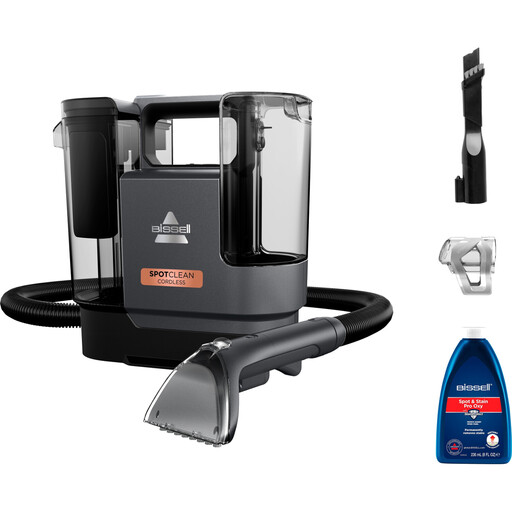 Image unavailable
BISSELL SpotClean Cordless, 18V Li-Ion
For spot-cleaning a range of suitable upholstery; the product title describes the machine as cordless.
18V Li-Ion; clean water tank 0,9 l; dirty water tank 0,8 l.
View at Joybuy
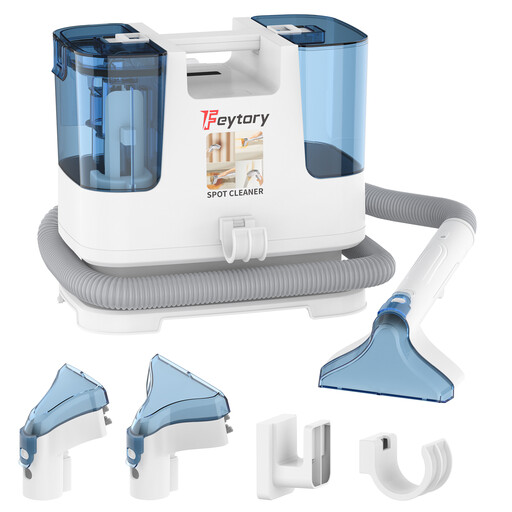 Image unavailable
Handheld spot cleaner, 15 kPa
For targeted cleaning of the sofa, carpet and car interior surfaces listed in the product title.
Water tanks: 0,6 l and 1,5 l.
View at Joybuy
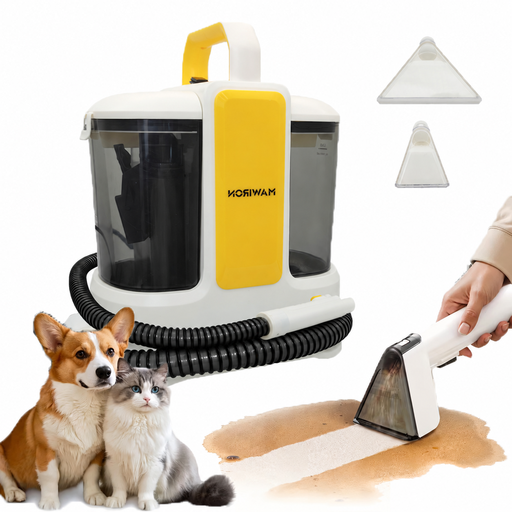 Image unavailable
JYDT03 portable upholstery cleaner, yellow
For spot-cleaning stains on suitable textiles; the product title lists spraying, brushing and suction.
15 kPa, according to the product title.
View at Joybuy
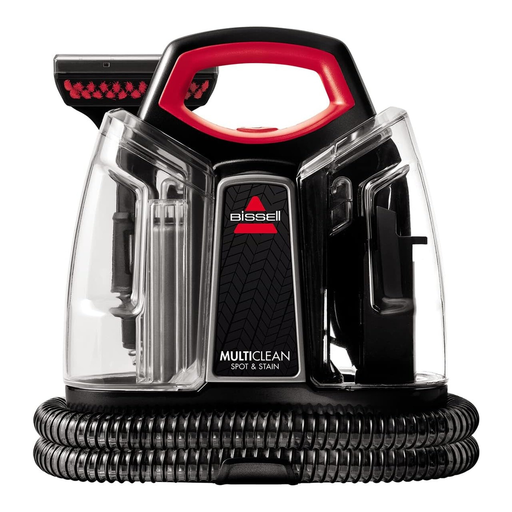 Image unavailable
BISSELL SpotClean MultiClean 4720M
For spot-cleaning upholstery and stairs; the product title describes it as a portable spot cleaner.
View at Joybuy
Frequently asked questions
Can I machine-wash a suitable pet bed cover instead of using a spot cleaner?
Yes, if the care instructions for that particular cover allow machine washing. GINETEX Germany and the German Cosmetic, Toiletry, Perfumery and Detergent Association explain that the number in the wash tub indicates the maximum recommended temperature. Check the filling or bed core separately; a spot cleaner remains an additional option for individual stains on suitable surfaces.
What should I do after use before putting the machine away in a shared cleaning cupboard?
Empty and clean the tanks and accessible attachments you’ve used, following the instructions for that particular model. A rinse or hose-cleaning function only makes part of the job easier. Leave the cleaned parts to dry thoroughly before putting them away.
Do I need any additional specialist or disinfectant products?
First check what’s included and which products are suitable for the machine and textile. For laundry, Verbraucherzentrale generally considers a small number of standard detergents sufficient; the Federal Environment Agency usually considers disinfectants unnecessary in private households. This general guidance isn’t a substitute for advice in a specific case of illness or infection.
Can I put an old electric spot cleaner in household waste in Germany?
No. The Federal Environment Ministry explains that old electrical appliances must be collected separately and handed in at authorised collection points, such as local authority collection centres or retailers where the legal requirements are met. Retailers may have additional conditions for taking back an appliance.


