
Lieferung heute & morgen

Qualitätsgarantie

Willkommens-Angebote freischalten: KOSTENLOSE Lieferung | Bis zu 80 % RABATT | Kostenlose 30-Tage-JoyPlus-Testphase
App herunterladen
Regular grooming is an essential part of pet care. It not only contributes to a well-groomed appearance but also promotes healthy skin and coat. However, given the wide variety of brush types available, choosing the right pet brush can be a challenge. Loose hair on furniture, matted fur, or a pet that avoids grooming sessions are common problems for pet owners.
This guide is designed to help you make an informed decision. As your Joybuy Product Recommendation Officer, I have compiled objective criteria and product information to make it easier for you to select a suitable dog brush or cat brush.
To find the right tool for your pet, a few basic factors should be considered. The functionality of a brush depends heavily on its construction and the materials used.
The texture of the coat is the most crucial factor.
Not every brush is suitable for every task.
An ergonomic handle ensures that the brush fits comfortably in your hand, even during longer grooming sessions. Another practical feature is the cleaning function. A self-cleaning brush often has a mechanism that pushes the collected hair out of the bristles at the push of a button. This saves time and makes hygiene easier.
Based on the criteria mentioned, we have put together a selection of products that cover different grooming needs.
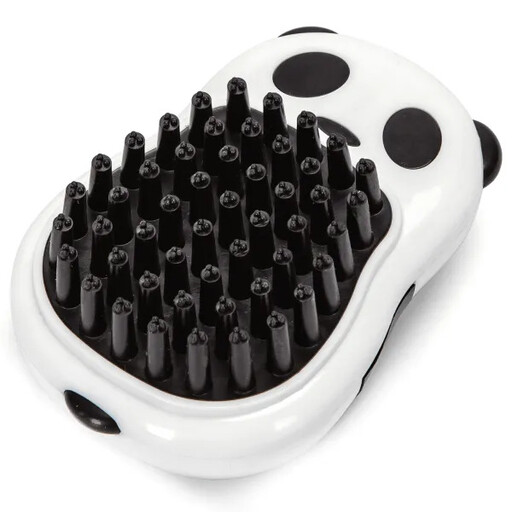
Why It Stands Out This brush combines cleaning and massaging functions and is specially designed for use during bath time. The soft rubber brush head is gentle on the skin while effectively removing loose hair.
Pros
Who It's For This model is a great choice for pet owners who want to make bath time more pleasant for their pet. It is especially suitable for pets with short to medium-length fur who appreciate gentle grooming and massage.
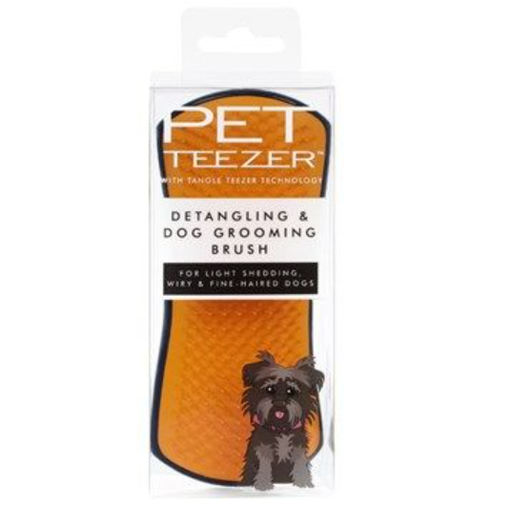
Why It Stands Out This brush uses the two-tiered bristle technology patented by the manufacturer Tangle Teezer, which was developed for detangling hair without pulling or tugging. It is designed to gently detangle knots and mats.
Pros
Who It's For Ideal for owners of pets with long, wavy, curly, or double-layered coats that are prone to matting. Recommended breeds include Afghan Hounds, Yorkshire Terriers, Shih Tzus, or Border Collies.
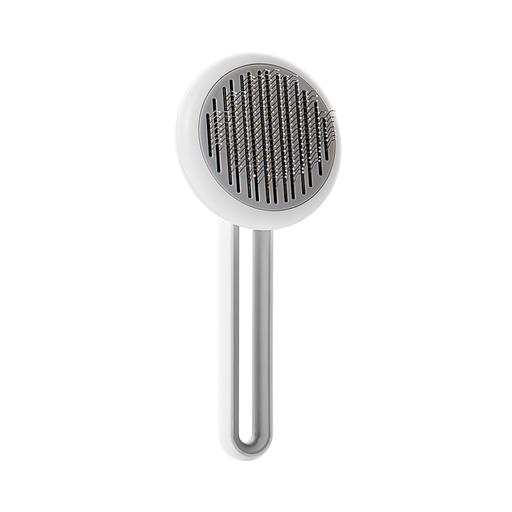
Why It Stands Out This brush is distinguished by its high efficiency and convenient cleaning mechanism. The bent stainless steel needles penetrate deep into the fur to remove loose undercoat, while the cleaning button simplifies handling.
Pros
Who It's For This model is an excellent option for pet owners looking for an efficient solution for the daily removal of loose fur and undercoat. The self-cleaning brush is particularly practical for households with multiple pets or animals with heavy shedding.
The right grooming brush can significantly simplify the grooming process for you and your pet. If the models presented here don't exactly meet your requirements, there are many other specialized tools available. Every pet has individual needs that depend on coat structure, skin sensitivity, and personal preferences.
Discover our entire range of grooming brushes and find the perfect tool for your pet.
The frequency largely depends on the coat type and the season. Pets with long fur or a dense undercoat should ideally be brushed daily to prevent matting. During the shedding season in spring and autumn, more frequent grooming may be necessary. For short-haired pets, brushing them once or twice a week is often sufficient.
A regular brush (e.g., a slicker brush or one with natural bristles) works primarily on the surface of the coat. It removes loose dirt, smooths the topcoat, and distributes natural skin oils. An undercoat brush, on the other hand, is equipped with special tines or blades that specifically penetrate the lower layer of the coat to remove loose, dead hair without damaging the healthy topcoat.
Most of the hair can be removed from the bristles manually or with a comb. Models with a self-cleaning function do this at the push of a button. For a more thorough cleaning, brushes (if the material allows) can be washed with warm water and mild soap. They should then be allowed to air-dry completely to prevent rust or mould from forming. Bath brushes made of rubber or silicone can simply be rinsed under running water.