
Lieferung heute & morgen

Qualitätsgarantie

Willkommens-Angebote freischalten: KOSTENLOSE Lieferung | Bis zu 80 % RABATT | Kostenlose 30-Tage-JoyPlus-Testphase
App herunterladen
Choosing the right pet carrier can be a challenge. The market is flooded with models that promise safety, comfort, and style. But not every bag delivers on its advertising claims. Many pet owners only realise after the purchase that their chosen product is impractical, unsafe, or unsuitable for their pet.
This guide will help you identify common pitfalls and make an informed decision. We focus on the objective criteria that define a quality pet carrier, ensuring you and your four-legged companion can travel safely and without stress.
Before diving into features, it's wise to understand the typical flaws that cause problems in practice.
To avoid a bad buy, you should base your choice on a few crucial technical features.
Safety is the fundamental prerequisite for any transport. A stable structure is essential for this.
Your pet's comfort largely depends on air circulation and the materials used.
Measuring is essential. Don't rely solely on the manufacturer's weight recommendation.
Based on the criteria above, we have identified several models for different needs and budgets.
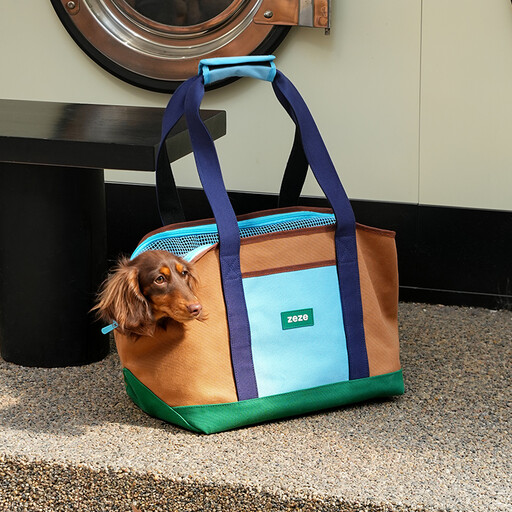
Why This Fits Their Persona: Ideal for owners of small pets who need a stylish and functional bag for short trips like vet visits or city outings. Its lightweight design and easy handling make it a practical choice for everyday use.
The extra-large mesh window ensures excellent ventilation, countering the problem of insufficient airflow. An integrated safety clip offers basic protection against the pet jumping out.
Lightweight, fashionable design; Large mesh window for interaction and ventilation.
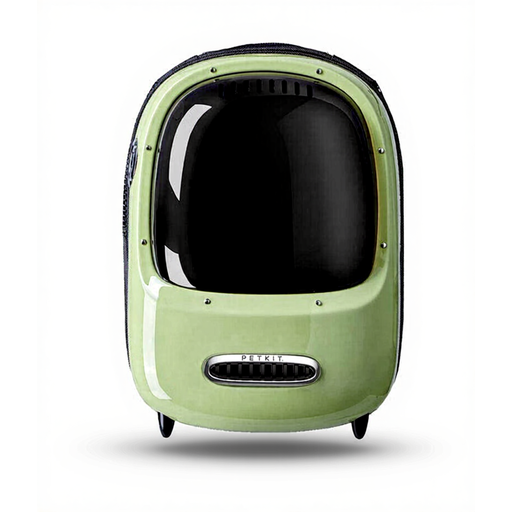
Why This Fits Their Persona: For pet owners who value technological innovations for maximum comfort. This cat backpack is ideal for longer outings, hikes, or travel in warmer climates where active ventilation is crucial.
The smart air circulation system with an integrated fan (external power source required) actively combats heat buildup, solving the problem of poor ventilation. The tinted window reduces external stress.
Active ventilation system; Integrated night light for safety in the dark; Ergonomic carrying system.
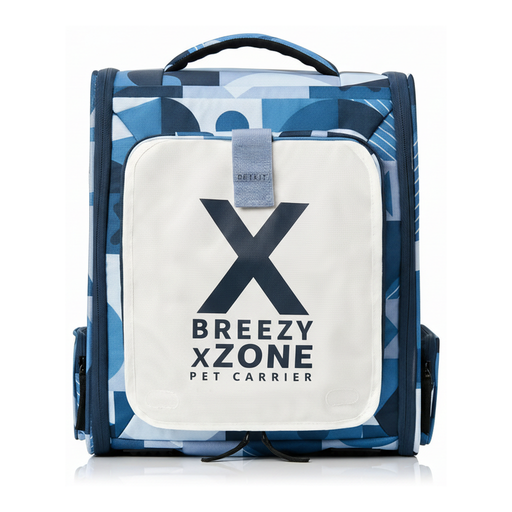
Why This Fits Their Persona: Perfect for pet owners who travel often and need a flexible solution. Whether in the car, on a train, or during a rest stop, the expandable area offers the pet a comfortable retreat that goes far beyond a standard carrier.
This expandable carrier solves the problem of cramped carriers by creating extra space when needed. The blackout curtain also helps to minimise stress from external stimuli.
2-in-1 design as a backpack and tent; Lightweight and foldable for easy storage; Blackout curtain for stress reduction.
We've compiled a complete, up-to-date list of products that fully meet these strict selection criteria and safety regulations.
Place the open carrier in your home a few days before its first use. Put a familiar blanket, toy, or treats inside so your pet learns to see the carrier as a safe and positive space. Start with short, closed periods inside the carrier at home before taking your first trip.
Safety is the top priority in the car. The carrier should be securable on the back seat with the seatbelt. Many models have special loops through which the belt can be passed. Never place the carrier on the front passenger seat if the airbag is active. A sturdy, foldable dog crate with a metal frame often provides additional stability.
Measure your pet while it's standing from the tip of its nose to the base of its tail (length) and from the floor to the top of its head (height). The carrier's interior should be at least 5-10 cm longer and taller to allow your pet to turn around and lie down comfortably. Don't rely solely on the manufacturer's weight recommendation, as body proportions vary greatly between breeds.