
Lieferung heute & morgen

Qualitätsgarantie

Willkommens-Angebote freischalten: KOSTENLOSE Lieferung | Bis zu 80 % RABATT | Kostenlose 30-Tage-JoyPlus-Testphase
App herunterladen
Choosing cat furniture is a decision that impacts both your pet's well-being and the aesthetics of your living space. Appropriate furnishings satisfy a cat's fundamental behavioural needs, such as scratching for claw maintenance, climbing to survey their territory, and the desire for secure hiding spots. Thoughtfully integrating these elements into your home can help reduce unwanted behaviours, like scratching upholstery. The focus is on providing solutions that are functional, stable, and made from high-quality materials.
When purchasing cat furniture, objective parameters should be the priority. These ensure durability, safety, and high acceptance by your cat.
The materials used determine the furniture's durability and safety.
Structural stability is a critical criterion for minimising the risk of injury to your pet.
The size and functional scope of the furniture should be tailored to your cat and your available space.
The following products were selected based on their technical specifications, material properties, and practical benefits for both cat and owner.
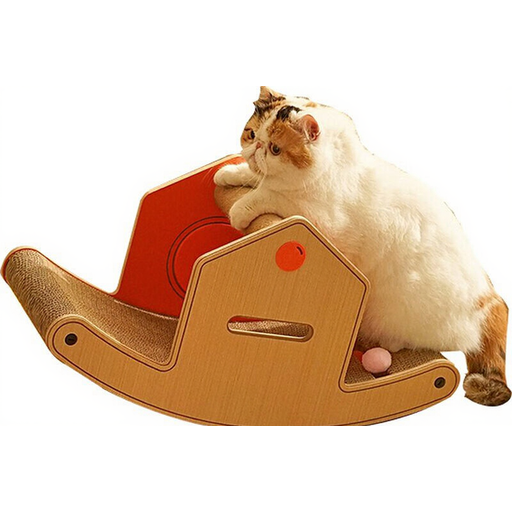
Why We Recommend This Product This piece of scratching furniture combines scratching, playing, and resting functions in a single object. Its design is based on a rocking function that stimulates the play instinct. The product can be converted from a rocking lounger into a vertical scratching post. The materials—a jute post and a 220 mm wide, thickened corrugated cardboard pad—are designed for heavy use and durability.
Pros
Who It's For This product is suitable for households with active cats looking for an interactive yet space-saving piece of scratching furniture.
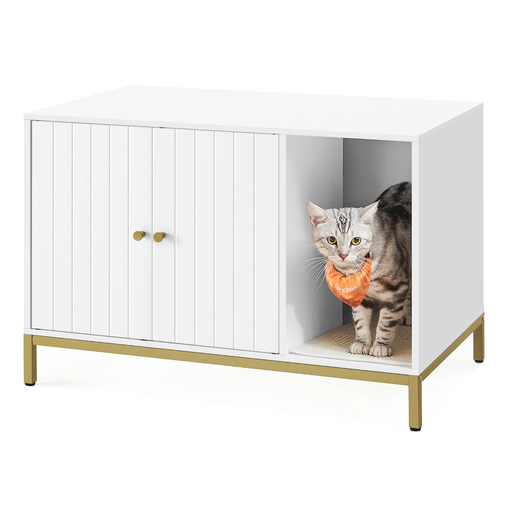
Why We Recommend This Product This cat litter box enclosure offers a discreet solution for integrating a litter box into your living space. Measuring 80 x 50 x 55 cm, this piece of furniture also functions as a side table or lowboard. The interior is sized to fit most standard litter boxes. A curved entrance and an integrated scratching mat at the entry are functional details that cater to the cat's needs and help reduce litter tracking.
Pros
Who It's For Ideal for cat owners who are looking for an aesthetically pleasing and practical solution for housing a litter box and who value designer cat furniture.
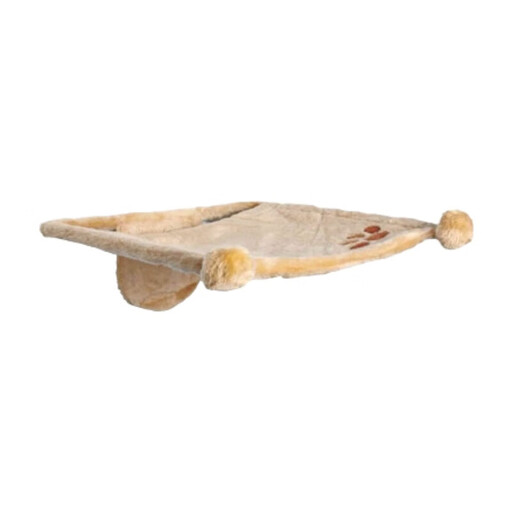
Why We Recommend This Product This wall-mounted cat bed caters to a cat's natural need for elevated observation and resting spots. The construction consists of a painted metal frame that is securely mounted to the wall. The 42 x 41 cm lounging surface is fitted with a soft polyester plush cover. This solution is particularly space-saving and can become part of a larger cat climbing wall.
Pros
Who It's For This product is an excellent choice for apartments with limited floor space and for cats that prefer to observe their surroundings from an elevated position.
The products featured here represent a selection that covers specific functional requirements. For a wider range of furniture, especially different models and sizes, please visit our Cat House category.
1. What are the crucial criteria when selecting cat furniture? The most important criteria are stability to ensure safety, material quality for durability, and the right size for your cat. The functionality should accommodate natural behaviours like scratching, climbing, and hiding.
2. How can you get a cat accustomed to new furniture? Place the new item in an area where your cat frequently spends time. Positive reinforcement with treats or invitations to play on the new furniture can encourage acceptance. Rubbing it with a worn piece of your clothing or the cat's own blanket can help by adding a familiar scent.