
Lieferung heute & morgen

Qualitätsgarantie

Willkommens-Angebote freischalten: KOSTENLOSE Lieferung | Bis zu 80 % RABATT | Kostenlose 30-Tage-JoyPlus-Testphase
App herunterladen
Grooming your dog or cat at home not only strengthens your bond but also significantly contributes to their health and well-being. However, the market for grooming products can be overwhelming. Many owners invest in tools that prove to be impractical, unsafe, or short-lived. As your Joybuy Product Recommendation Officer, I'll help you avoid the common pitfalls and make an informed decision.
Before you make a purchase, it's important to understand the most common issues that can lead to frustration and unnecessary expense.
To avoid these problems, focus on a few crucial technical features. These determine a product's functionality, safety, and longevity.
The choice of material is fundamental for pet grooming. Look for the following standards:
Safety should never be a compromise. Actively look for these features:
A tool is only useful if it is suited to the specific task.
Based on these criteria, we have identified some products that are suitable for different needs and budgets.
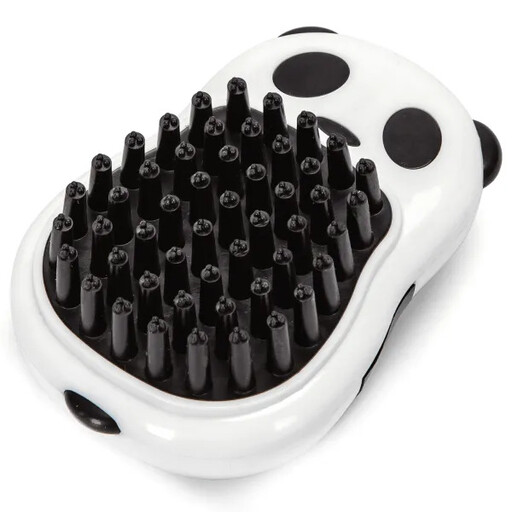
Why This Fits Their Persona: Ideal for pet owners looking for a simple, multifunctional tool for basic grooming and bathing. It requires no major initial investment and is suitable for both dogs and cats.
The soft rubber material (TPR) prevents skin irritation, a common problem with cheap plastic brushes. The design focuses on two core functions (cleaning, massaging), avoiding the pitfalls of overloaded "all-in-one" devices.
Combines cleaning and massage in one step. The ergonomic handle ensures comfortable handling during the bath.
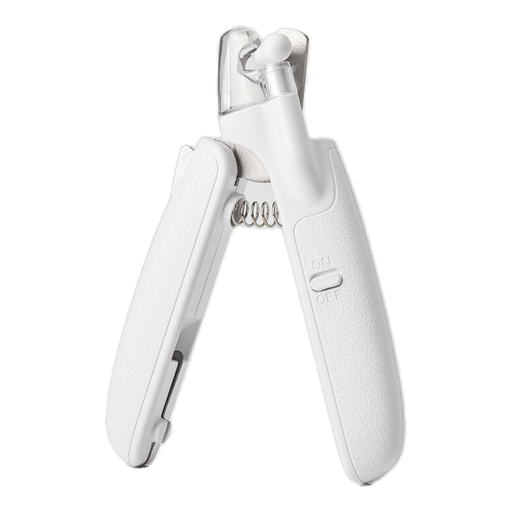
Why This Fits Their Persona: Perfect for owners whose biggest fear is injuring their pet during nail trimming. This tool directly addresses the problem of poor visibility.
The integrated LED light is a critical safety feature that basic clippers lack. It makes the blood vessel visible, minimizing the risk of cutting the nail too short—a classic case of "lacking safety features."
Integrated LED light for maximum safety. Sharp stainless steel blades for a clean cut and a built-in nail file for smoothing edges.
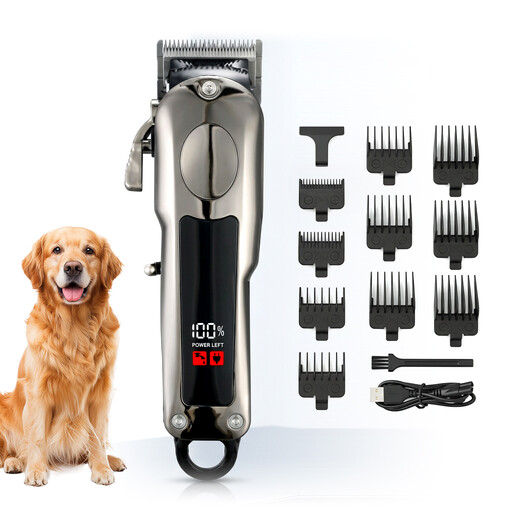
Why This Fits Their Persona: Designed for owners of dogs with thick, heavy coats or dense undercoats, where conventional clippers reach their limits.
This device bypasses the "underpowered performance" trap. The high-performance motor (370S) with up to 7200 RPM ensures constant power and prevents painful snagging in the coat, a common failure of weaker models.
Powerful motor for effortless trimming of thick coats. Ten included guide combs and a five-level adjustable blade offer maximum flexibility.
We have compiled a complete, up-to-date list of products that fully meet these strict selection criteria and adhere to rigorous safety standards.
1. How often should I trim my dog's nails? The frequency depends on the breed, age, and activity level. A good rule of thumb is to trim the nails when you can hear them clicking on hard floors. On average, this is necessary every 3 to 6 weeks. Regular inspection is more important than a rigid schedule.
2. Which brush is suitable for a short-haired cat? For cats with short fur, a pet grooming glove or a brush with soft rubber nubs is often a great choice. These gently remove loose hair while massaging the skin, which most cats find pleasant. A fine-toothed comb can also be used to remove fine undercoat.
3. How do I properly clean a dog clipper? After each use, you should remove hair residue from the blades with the included brush. Many blade heads are detachable and can be cleaned under water (check the manufacturer's instructions). It is important to completely dry the blades after cleaning and to regularly treat them with a special blade oil to prevent rust and maintain cutting performance.