
Lieferung heute & morgen

Qualitätsgarantie

Willkommens-Angebote freischalten: KOSTENLOSE Lieferung | Bis zu 80 % RABATT | Kostenlose 30-Tage-JoyPlus-Testphase
App herunterladen
As a pet owner, you know the struggle: pet hair on the couch, on your clothes, and in every corner of the carpet. The market for pet hair removers is vast and confusing. Many products promise effortless cleaning, but in practice, the hair often remains stubbornly stuck. Before you make a purchase, it's crucial to understand the common pitfalls that lead to frustration and wasted money.
This guide will help you separate the wheat from the chaff by showing you what really matters in an effective pet hair remover.
Many devices fail to meet the basic demands of a pet-filled household. Pay special attention to these three common problems:
To avoid a bad buy, you should focus on objective technical features rather than marketing promises. The following three parameters are critical to a device's effectiveness.
The type of brush determines how well hair is loosened and picked up from various surfaces.
With vacuum cleaners, the raw motor power (in watts) is not the only decisive factor. What's crucial is the actual suction power at the nozzle, often specified in Airwatts (AW) or Pascals (Pa).
Not every pet hair remover is suitable for every task. Think carefully about where your main problem lies.
Based on the criteria mentioned, we have selected products that offer a suitable solution for the specific needs of pet owners.
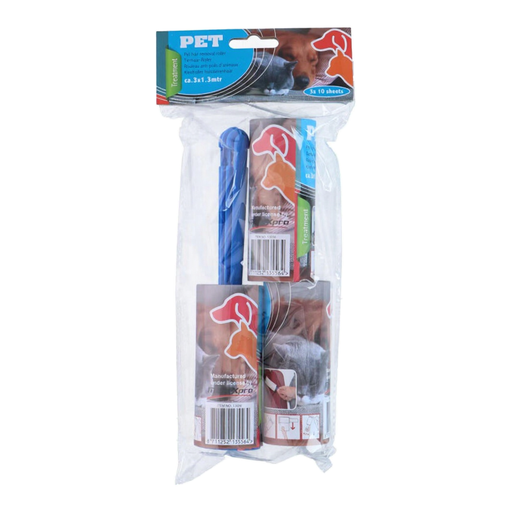
Why this product is a good fit: Ideal for quickly removing hair from clothing or small upholstered areas. This set is a straightforward, power-free solution that's always ready to go for a quick touch-up before leaving the house.
This tool bypasses the weakness of ineffective manual rollers with a simple but functional mechanism. It doesn't just push hair back and forth; it reliably collects it in a container.
No batteries or power required; reusable and easy to empty. The 3-piece set allows you to keep one in multiple locations (e.g., hallway, car).
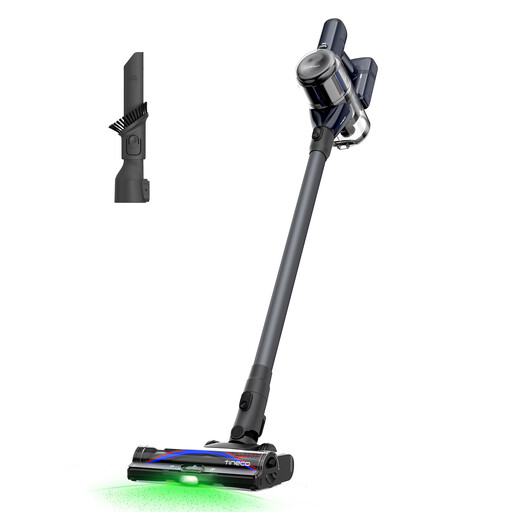
Why this product is a good fit: For households that need a powerful and flexible all-in-one solution for floors, carpets, and furniture. This cordless vacuum combines high suction power with smart features for efficient removal of dog and cat hair.
The ZeroTangle brush actively prevents hair from tangling. Its 150 AW suction power ensures that even deep-seated hair is picked up, thus bypassing the typical weakness of many cordless devices.
Long battery life of up to 95 minutes (according to the manufacturer) and an LED light on the nozzle that reveals hair and dust easily missed by the naked eye.
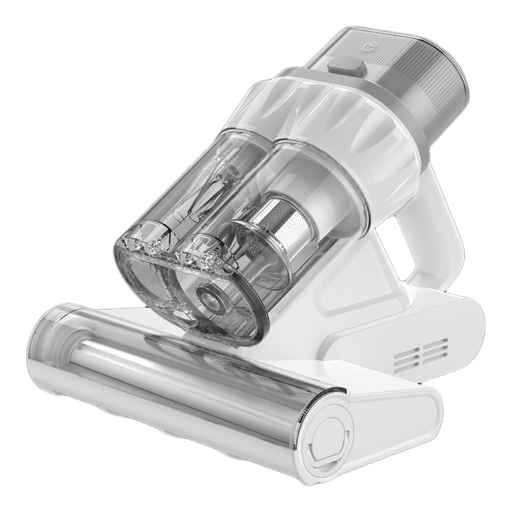
Why this product is a good fit: This specialised device is designed for the hygienic deep cleaning of mattresses, sofas, and other upholstered furniture. It's a great choice for allergy sufferers as it combats not only pet hair but also dust mites and their allergens.
Unlike simple handheld vacuums, this device combines strong suction power of 12 kPa with a high-frequency patting function, UV-C light, and 65°C hot air to dislodge hair and allergens from deep within the fibres.
The dual-cup system separates dust and mites, which maintains filter efficiency. The UV sterilisation neutralises bacteria and mite DNA for a more hygienic environment.
We have compiled a complete, up-to-date list of products that fully meet these strict selection criteria and German safety regulations.
The cleaning frequency depends on the device type and usage. For vacuum cleaners, the dustbin should be emptied after each use, and the brush roll should be checked weekly for trapped hair. Filters should be cleaned or replaced according to the manufacturer's instructions. Manual brushes and rollers work best when cleared of collected hair after each use.
Yes, for removing pet hair from carpets, rubber brushes or brooms are often superior. The rubber fins generate a stronger static charge through friction than conventional bristles. This effectively "pulls" the hair out of the carpet fibres, allowing it to be easily swept into a pile that can then be vacuumed up.
For allergy sufferers, a multi-stage approach is recommended. A vacuum cleaner with a HEPA filter is essential, as it filters the smallest particles like pet dander and pollen from the exhaust air. Additionally, specialised mite vacuums with UV-C light and a hot air function for beds and upholstery are a sensible addition, as they reduce not only hair but also the actual allergy triggers like dust mite droppings.