
Lieferung heute & morgen

Qualitätsgarantie

Willkommens-Angebote freischalten: KOSTENLOSE Lieferung | Bis zu 80 % RABATT | Kostenlose 30-Tage-JoyPlus-Testphase
App herunterladen
As a product expert at Joybuy, a Joybuy Product Recommendation Officer, I see pet owners daily struggling with the seemingly endless flood of pet hair. Choosing the right vacuum cleaner can be the difference between a clean home and constant frustration. However, the market is saturated with devices whose marketing promises often fall short in practice. This guide will help you avoid the common pitfalls and make an informed decision.
Before we turn to the solutions, it's important to understand the most common issues that lead to a poor purchase. Many devices are not designed for the specific challenges of pet hair.
To avoid these traps, you should focus on three core technical parameters. These determine whether a pet hair vacuum can reliably do its job.
Stubborn dog and cat hair is difficult to remove from textile surfaces. Here, mechanical action is key. Look for models with rotating brush rolls, often called a turbo brush or power brush. These actively comb through the fibres of carpets and upholstery, lifting even deep-seated hair into the suction stream. Mini turbo brushes as accessories are particularly useful for sofas, cat trees, and car seats.
For a hygienically clean home, a vacuum with a HEPA filter for allergies is a smart choice. HEPA stands for "High-Efficiency Particulate Air." According to the standard, a certified HEPA filter can remove at least 99.95% of all airborne particles between 0.1 and 0.3 micrometres from the air. This includes pet allergens, dust mite droppings, and pollen. This ensures noticeably cleaner exhaust air and can improve the well-being of allergy sufferers in the household.
The noise level of a vacuum cleaner is measured in decibels (dB). A quiet vacuum cleaner for pets significantly reduces the stress factor. As a guide:
Here are three models tailored to the different needs of pet owners, specifically designed to avoid the pitfalls mentioned.
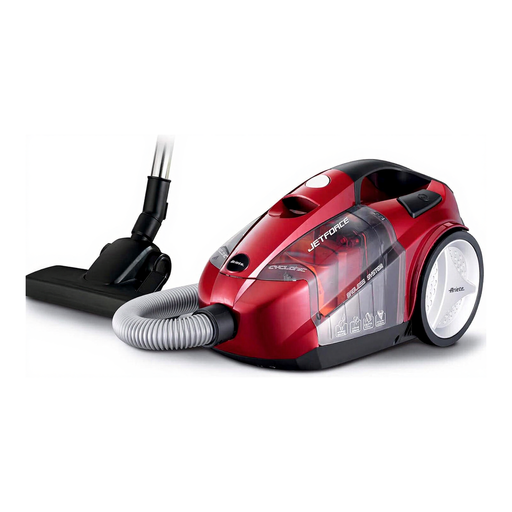
Why This Fits Their Persona: A practical and accessible solution for daily life with pets. This model combines essential features—bagless technology and HEPA filtration—in a package that meets basic needs without unnecessary frills.
Avoids the filter trap with its integrated HEPA filter, which captures fine particles and allergens instead of releasing them back into the air.
The cyclonic technology ensures consistent suction power, even as the 2.5-litre container fills up. The removable tank is easy to empty.
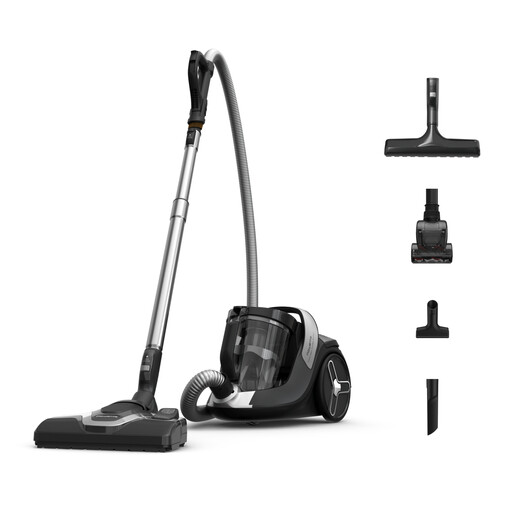
Why This Fits Their Persona: Ideal for users who value a quiet cleaning environment and prioritise sustainability. This model is known for its low noise level and eco-friendly design.
Solves the noise trap with an operating sound level of just 66 dB. This is easier on the nerves of both people and pets. The included mini turbo brush is also ideal for removing `dog hair from upholstery`.
Sustainable Design: According to the manufacturer, the device is made from 67% recycled plastic and is 87% recyclable. The 3-stage HEPA filtration captures up to 99.98% of particles.
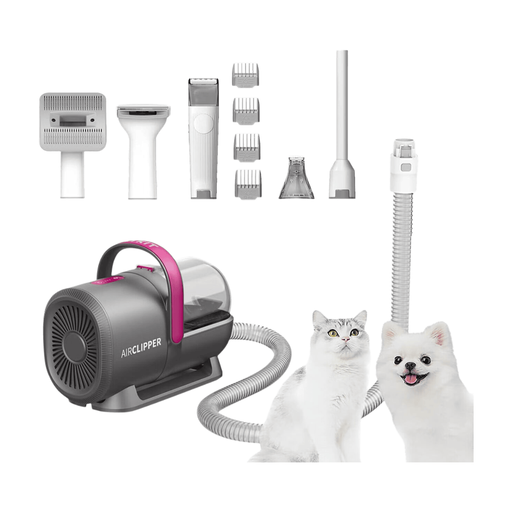
Why This Fits Their Persona: This is a specialised solution for pet owners who want to tackle the problem at its source. Instead of just removing hair that has already been shed, this device vacuums it up directly during grooming.
This device is a `grooming vacuum` that prevents hair from spreading around the home in the first place. With a noise level below 60 dB, it is specifically designed for direct use on the animal.
5-in-1 Functionality: Combines brushing, de-shedding, trimming, and suction in one step. According to the manufacturer, it captures up to 99% of hair during grooming.
Especially if quiet operation is a top priority for you and your pet, we've put together a comprehensive selection. Discover more models that meet our strict criteria.
The replacement frequency depends heavily on usage, the number of pets, and their breed. As a rule of thumb, it is recommended to check and clean the filter monthly (if washable). It should generally be replaced every 6 to 12 months, or according to the manufacturer's specific instructions, to maintain filtration performance.
Bagless models offer two clear advantages: you save on the recurring cost of dust bags, and the transparent container always shows when it needs to be emptied. However, emptying can be problematic for allergy sufferers as dust can be stirred up. Bagged models trap dirt and allergens more securely until disposal. The choice is ultimately a matter of personal preference and convenience.
Devices with a rating below 70 dB are generally perceived as quiet. For households with particularly skittish or noise-sensitive pets, models with ratings around 65 dB or lower are an excellent choice. They allow for a more stress-free cleaning experience without disturbing your animal companions.