
Lieferung heute & morgen

Qualitätsgarantie

Willkommens-Angebote freischalten: KOSTENLOSE Lieferung | Bis zu 80 % RABATT | Kostenlose 30-Tage-JoyPlus-Testphase
App herunterladen
As a Joybuy Product Recommendation Officer, I see pet owners daily struggling with the seemingly endless amount of pet hair on floors, carpets, and furniture. The search for the right pet hair vacuum can quickly become overwhelming. Manufacturers advertise impressive numbers and complex features, but not every expensive device solves the problem efficiently. This guide will help you navigate marketing traps and make an informed decision.
Many buyers focus on single, heavily advertised features, overlooking the crucial details that determine real-world performance. Three typical pitfalls often lead to disappointment and unnecessary expense.
To avoid the pitfalls mentioned above, you should check three core areas before buying. These will determine if a vacuum is truly up to the challenges of pet hair.
As mentioned, the Pascal number alone isn't everything.
The design of the main brush is critical. Look for the following features, often described as anti-tangle or "tangle-free":
Pet hair often comes with allergens and fine dust. A multi-stage filtration system, ideally with a HEPA (High-Efficiency Particulate Air) filter, is therefore essential. These filters are proven to capture the smallest particles, such as pet dander, skin flakes, and pollen, preventing them from being released back into the room's air. This significantly contributes to better air quality.
Based on the criteria above, we have identified products that are particularly well-suited for specific user groups and their needs.
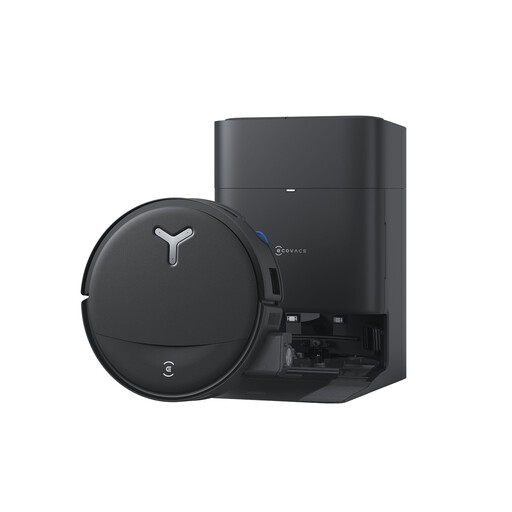
Why it's a match: Ideal for busy pet owners looking for a fully automated, all-in-one solution. This robot vacuum with mopping function not only vacuums and mops but also cleans and dries its own mop pads in the all-in-one station.
The device combines extremely strong suction power of 24,800 Pa with the ZeroTangle 3.0 system, specifically designed to minimise hair tangling. This bypasses the ineffective brush trap.
Complete automation via the OMNI station, featuring hot-water mop washing and hot-air drying. The Triple-Lift system automatically raises the mop pads on carpets.
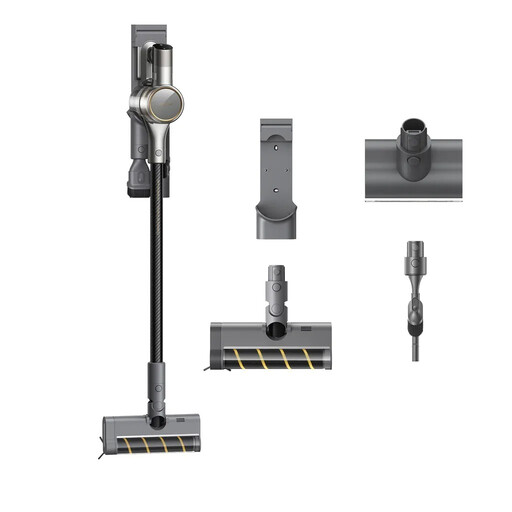
Why it's a match: Perfect for users who need a flexible and powerful solution for quick clean-ups on floors, upholstery, and hard-to-reach corners. As a cordless vacuum for pet hair, it offers maximum freedom of movement.
Instead of a vague Pa rating, its performance is specified at 190 AW (Air Watts), a practical, real-world indicator. The anti-tangle design with an integrated comb actively prevents hair from tangling in the brush.
The CelesTect Dust Illumination makes invisible pet hair visible on hard floors. The motorised mini-brush is ideal for removing hair from sofas and beds.
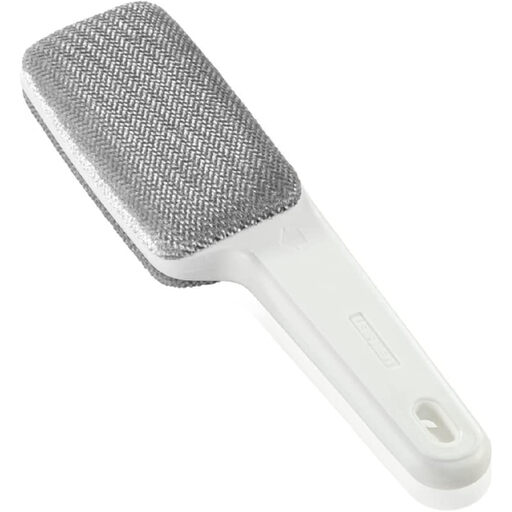
Why it's a match: An affordable and effective addition to any household. This manual lint brush for clothes and upholstery removes hair quickly and easily without having to pull out the vacuum cleaner.
This tool completely bypasses the trap of overly complex technology and high running costs. It is a purely mechanical, durable solution for a specific problem: surface hair on textiles.
The double-sided XL brush surface allows for fast and efficient cleaning. The product is ready to use instantly, requires no power, and is easy to clean by simply wiping it off.
The long-term performance of your device depends on proper maintenance. We have curated a selection of accessories to ensure your vacuum's efficiency.
1. How often should you change the brushes and filters on a pet hair vacuum? The replacement interval depends heavily on the frequency of use and the amount of pet hair. As a general guideline, it is recommended to replace HEPA filters every 6 to 12 months. Brushes should be checked for visible wear and replaced if cleaning performance declines. Many manufacturers provide specific recommendations in the user manual. Regularly cleaning the components will significantly extend their lifespan.
2. Is a high Pascal (Pa) rating always a guarantee for good pet hair pickup? No, not necessarily. While a high Pa rating indicates a powerful motor, the actual cleaning performance on the floor is determined by the entire system. This includes the design of the cleaning head, the seal of the air channel, and, most importantly, the effectiveness of the brush roller. A well-designed anti-tangle brush with moderate suction can pick up more hair than a simple brush with very high vacuum pressure.
3. Can a robot vacuum with a mopping function completely replace a traditional vacuum cleaner? For daily maintenance cleaning on hard floors and low-pile carpets, a modern, powerful vacuum and mop robot can largely replace a traditional vacuum. However, for deep-seated dirt in high-pile carpets, cleaning stairs, upholstery, or your car, a flexible cordless or corded vacuum with the appropriate attachments remains the more suitable solution. Many households rely on a combination of both types of devices.