Portraits of relaxed pets
If your pet is mostly sitting or lying down, you can carefully compose the eye focus, perspective and background. Tamron Europe points out that focusing on the nose or ears can make your pet’s expression look blurred.


For relaxed pet portraits, first check whether you can control the focus point, perspective and exposure well enough with your existing camera or mobile phone; you don’t automatically need a new mirrorless camera. When pets are playing, continuous autofocus with suitable animal detection and a fast shutter speed become more important. Consider the camera body and a suitable lens together, rather than buying based on animal autofocus or a high burst rate alone.
If your pet is mostly sitting or lying down, you can carefully compose the eye focus, perspective and background. Tamron Europe points out that focusing on the nose or ears can make your pet’s expression look blurred.
To capture fleeting moments of movement, look for continuous focusing, suitable animal detection and a shutter speed that’s right for the action. Tamron Europe explains how focusing on the nose or ears can detract from your pet’s expression.
If you often take photos outdoors in strong light, you’ll want to be able to judge the framing and exposure clearly. Nikon highlights using the viewfinder in sunlight; whether it suits you also depends on your lighting conditions.
Start with the equipment you already own and think about what’s actually holding you back: eye focus, movement, checking your image in sunlight or the amount of kit you need to carry.
| Buying consideration | What to check | Who is it important for? |
|---|---|---|
| Sharp eyes in relaxed portraits | Check whether you can select the focus point and whether the model supports eye or animal detection for your subject. Also consider which compatible lens will give you the framing you want. | When I take relaxed portraits, I want to capture my pet’s expression just as I see it. Around 33% of consumers put eye focus first. |
| Photos of pets at play | Compare continuous autofocus and supported animal detection. Also check whether you can set a fast shutter speed. | When I photograph my pet at play, I want to capture spontaneous moments of movement. Around 25% of consumers make photographing animals in motion their top buying priority. |
| Checking your images in sunlight | Check whether you can use the viewfinder or screen comfortably in the lighting conditions you shoot in, and adjust the exposure as needed. | In bright sunshine, I want to be able to judge the framing and exposure clearly. Around 25% of consumers prioritise checking their images in bright light. |
| Keeping your kit manageable | First compare your existing equipment with the camera body and lens combination you need. Check the mount, what’s included in the box and whether you might need another lens. | If I mainly take portraits, I want to use the equipment I already own rather than buy a new system unnecessarily. Around 17% of consumers put keeping their kit manageable first. |
Eye focus, framing and shutter speed all affect pet portraits too. A new camera body won’t automatically solve every creative challenge.
Try your existing equipment first. If you find it has a limitation, compare camera bodies and suitable lenses as a combination.
Image stabilisation compensates for camera shake, but it can’t replace a shutter speed suited to your pet’s movement. Sony lists 5-axis in-body image stabilisation for the α6700.
Assess motion blur and focus separately using your photos, and check which shutter speed is right for your subject.
Lens mounts vary. Canon lists RF and RF-S as native mounts for the EOS R50; EF-M lenses aren’t compatible with this model.
Compare the exact mount designation on your lenses with the manufacturer’s information for the camera body you’ve chosen.
Depending on the mount, you may need an adaptor or a different lens for the EOS R50 if you already own lenses.
The information below relates to the camera models mentioned and their manufacturers’ specifications, not every product from each brand.
The EOS R50 is a lightweight APS-C camera with an RF mount, making it an option for pet portraits with interchangeable lenses.
The DX-format Z50II could be a good choice for outdoor portraits if you like working with an electronic viewfinder.
The APS-C α6700 with an E mount is worth considering if you want to combine subject detection with interchangeable lenses.
The X-S20 with an X mount is another APS-C option for pet portraits and changing subjects.
This selection is aimed at pets in motion and flexible shooting in portrait or landscape orientation.
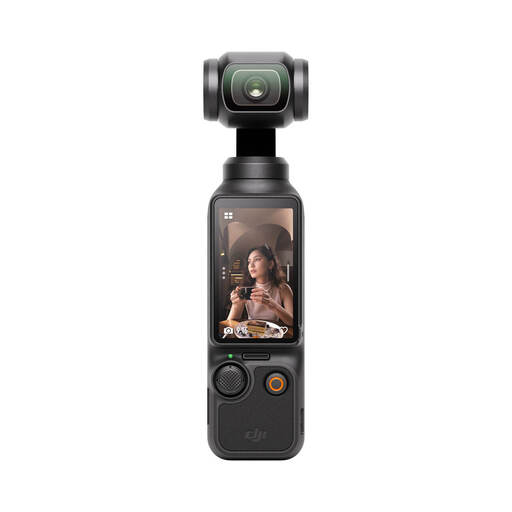 No image available
For pets in motion, the camera offers fast focusing and tracking with ActiveTrack 6.0; the touchscreen rotates for portrait and landscape shooting.
1-inch CMOS sensor; 4K/120fps video; 3-axis stabilisation; rotating 2-inch touchscreen.
The product name highlights vlogging and video. The 4K/120fps specification refers to video and says nothing about still-image resolution. If portrait photos are your main priority, check its suitability for that separately.
No, you don’t automatically need a new mirrorless camera. First, see whether you can set the eye focus, perspective and exposure you need with your existing camera or mobile phone. Use your photos to work out what you’re actually missing.
Choose a fast shutter speed suited to the movement and, if your model supports it, use continuous autofocus with suitable animal detection. Check the eye is sharp in your photos; having detection switched on doesn’t guarantee it.
Check what’s included in the box, the lens mount and whether the framing will work at your usual distance from your pet. For the EOS R50, Canon lists RF and RF-S as native mounts; EF-M lenses aren’t compatible.
For eligible distance contracts, you generally have a 14-day right to cancel from the date of delivery; exceptions and any return postage costs should be taken into account. The European Union’s Your Europe website also explains the statutory two-year legal guarantee against the seller, which is separate from any additional manufacturer’s warranty.