
Lieferung heute & morgen

Qualitätsgarantie

Willkommens-Angebote freischalten: KOSTENLOSE Lieferung | Bis zu 80 % RABATT | Kostenlose 30-Tage-JoyPlus-Testphase
App herunterladen
As pet owners, we love to spoil our animal companions. A treat is often the easiest way to show reward and affection. But when it comes to buying pet treats, you're quickly faced with an overwhelming selection that makes it difficult to make an informed decision. Many products entice with attractive packaging but hide ingredients that are unsuitable for a species-appropriate diet.
This guide will help you identify the most common pitfalls and understand the objective criteria that truly matter when making your choice. This way, you can ensure that the reward for your dog, cat, or rodent not only tastes good but is also healthy.
Before choosing a product, it's helpful to be aware of the most common marketing strategies and product flaws that can lead to a poor choice.
You don't need to be a pet food specialist to make a good choice. It's enough to understand two key sections on the packaging.
The ingredients list (composition) is ordered by weight in descending order. The ingredient listed first is the most abundant.
Not every snack is suitable for every situation. The choice should depend on its intended use:
Here are some product recommendations tailored to different requirements and pet profiles.
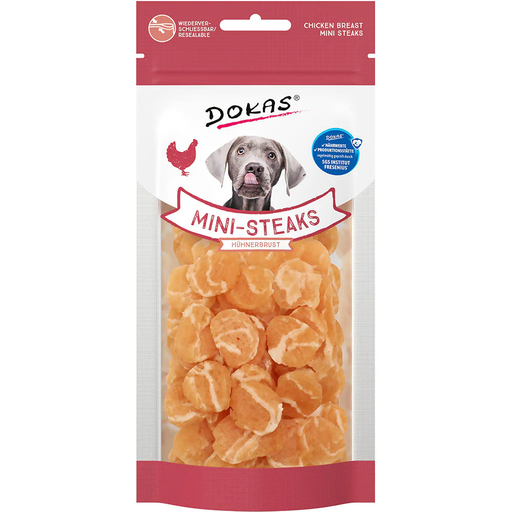
Why This Fits Their Persona: Ideal for dog owners looking for effective and motivating rewards for training. The small, bite-sized pieces are consumed quickly and don't distract the dog for long.
This product bypasses the filler trap with a clear declaration of 91% chicken breast fillet and cod. It is grain-free and has no added sugar.
High protein content (40% crude protein) with moderate fat content. The size is optimal for repeated rewards during a training session.
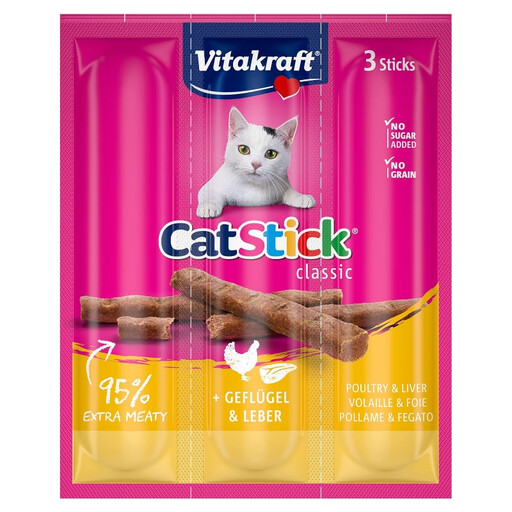
Why This Fits Their Persona: For cat owners whose pets are picky and prefer a soft texture and an intense meat flavour.
These Vitakraft snacks avoid the vague declaration trap with an explicitly stated meat content of 95%. The recipe is also grain-free and has no added sugar.
Very high protein content (33.5%) and high acceptance among cats. The individual packaging of the sticks ensures long-lasting freshness and aroma.
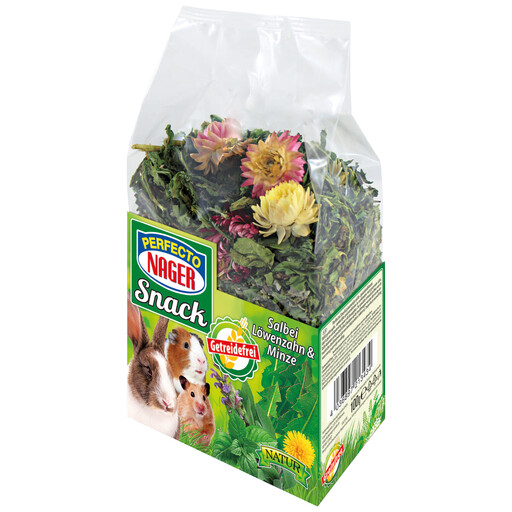
Why This Fits Their Persona: For owners of dwarf rabbits and rodents looking for a species-appropriate, natural supplement to the main feed that encourages natural foraging behaviour.
This snack is 100% grain-free and contains no sugary ingredients. It consists of dried herbs, completely bypassing the sugar and grain trap common in rodent snacks.
The blend of dandelion, sage, and mint offers welcome variety and enrichment. The high crude fibre content (13.7%) can support digestion.
We have compiled a complete, up-to-date list of products that fully meet these strict selection criteria.
You can identify high-quality pet treats by a short, understandable ingredients list. A clearly declared meat, fish, or primary ingredient with a high percentage should be listed first. Avoid products with sugar, artificial colours and preservatives, and vague terms like "animal by-products" without further specification.
This largely depends on your pet's size, age, activity level, and the calorie content of the snack. A common recommendation is that treats should not make up more than 10% of the daily calorie intake. Adjust the amount of main food accordingly. The manufacturer's feeding recommendation on the packaging provides a good guideline.
For many pets, especially dogs and cats with food intolerances or allergies, grain-free treats are a very good and often more digestible alternative. Grain is not a natural part of the diet for many carnivores. However, whether a pet absolutely needs a grain-free diet is an individual matter. More crucial than simply avoiding grain is the overall quality and composition of all ingredients.