
Lieferung heute & morgen

Qualitätsgarantie

Willkommens-Angebote freischalten: KOSTENLOSE Lieferung | Bis zu 80 % RABATT | Kostenlose 30-Tage-JoyPlus-Testphase
App herunterladen
The search for the right frying pan can be complex. With growing concerns about chemicals like PFAS in traditional non-stick coatings, many health-conscious households are looking for safe and durable alternatives. A PFAS-free pan is not just a choice for your health, but also an investment in your kitchen equipment.
This article serves as your guide. We'll explain which features to look for when buying and present a selection of models based on specific properties like material, heat resistance, and stove compatibility. Our goal is to provide you with a solid basis for making an informed decision when purchasing a new, healthy pan.
Before you make a decision, there are a few technical aspects to consider. These criteria will help you find a pan that matches your cooking habits and your kitchen setup.
The most important feature of a modern non-stick pan is its coating. Ceramic coatings are a common alternative to traditional, PTFE-based coatings.
Not every pan is suitable for every stove. Check for compatibility to ensure you can use it to its full potential.
The ergonomics of a pan affect everyday cooking comfort. A well-insulated handle that stays cool on the stovetop increases safety. The weight of the pan should also suit your handling preferences—lighter models are easier to toss with, while heavier pans often offer better heat retention.
Based on the criteria above, we have compiled a selection of pans that stand out for their materials, functionality, and specific use cases.
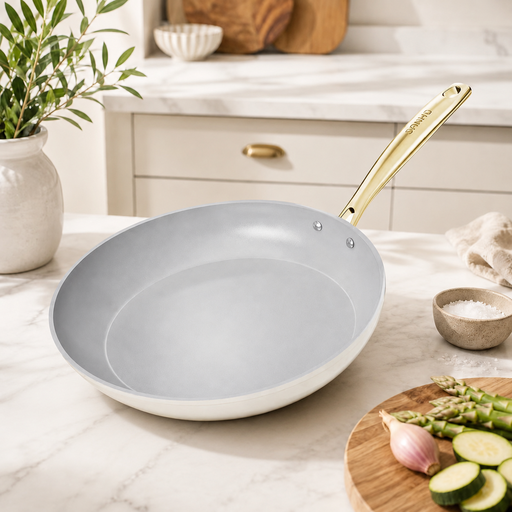
Why it stands out: This model combines a patented diamond-titanium ceramic coating with high oven-safe performance up to 260°C. The encapsulated stainless steel base ensures fast and even heat distribution on all stovetops, including induction.
Advantages:
Who it's for: Ideal for health-conscious families and home cooks looking for a robust, versatile, and durable all-round pan for daily use.
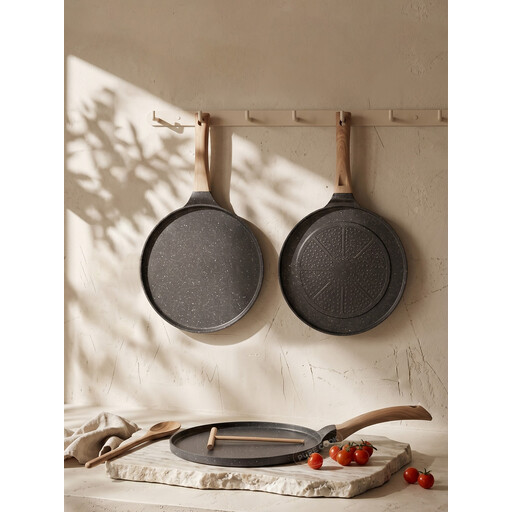
Why it stands out: This pan is distinguished by its lightweight aluminium alloy body and heat-insulated wooden handle. The combination allows for effortless handling and adds a classic aesthetic to the kitchen.
Advantages:
Who it's for: Perfect for users who prefer a lightweight and easy-to-manoeuvre pan for quick dishes like eggs, pancakes, or sautéed vegetables. It's also a great choice for seniors or anyone who wants to avoid heavy cookware.
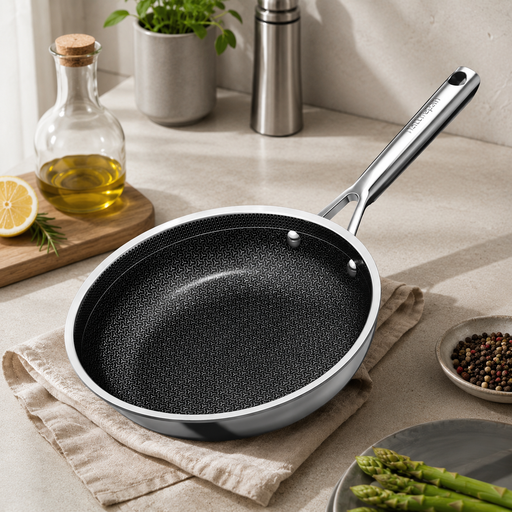
Why it stands out: The naturepan features innovative hybrid technology. A laser-etched hexagonal stainless steel mesh rises above the ceramic non-stick coating. This allows for high-heat searing like in a stainless steel pan, while the recessed areas ensure non-stick performance.
Advantages:
Who it's for: For ambitious home cooks who want a pan that is suitable for both delicate foods and searing steaks, combining the performance of a stainless steel pan with the convenience of a non-stick one.
The selection presented here covers a range of needs. However, if you are looking for different sizes, materials, or specific designs, there are more options to explore. A wider assortment can help you find the perfect model for your kitchen.
Explore our full range of frying pans.
"PFAS-free" means that the manufacturing of the pan and its coating intentionally avoids the use of per- and polyfluoroalkyl substances (PFAS). This large group of chemicals has traditionally been used for water- and grease-repellent coatings, including many classic non-stick pans.
Ceramic coatings are considered a functional alternative. They offer good non-stick properties, allowing for cooking with little to no oil. Since they are typically made without PFAS, PFOA, and PTFE, they are a popular choice for anyone looking to buy a healthy pan. Their durability largely depends on the quality of the coating and proper care.
To extend the life of a PFOA-free coated pan, you should follow a few basic rules: