
Lieferung heute & morgen

Qualitätsgarantie

Willkommens-Angebote freischalten: KOSTENLOSE Lieferung | Bis zu 80 % RABATT | Kostenlose 30-Tage-JoyPlus-Testphase
App herunterladen
A Philips coffee machine can meet very different needs depending on its design: quick coffee using pods, classic filter coffee, freshly ground beans or drinks topped with milk froth. The key question is therefore not which model lists the most features, but which equipment you will actually use day to day.
Typical poor purchases result from three recurring pitfalls:
Before buying, it is worth considering the different brewing methods:
A 0.7-litre tank may be sufficient for one or two people. Households or small offices with regular coffee consumption, on the other hand, benefit from 1.2 to 1.8 litres. With filter machines, the carafe capacity is also important: depending on the model, around 10 to 15 cups are possible.
As well as checking the footprint, measure the height available beneath wall cupboards. A model with a removable water tank is easier to fill. A glass carafe requires a warming plate, while a thermal carafe can keep the coffee warm without a permanently heated surface.
A simple button panel is enough for filter coffee. If you want to prepare espresso, coffee, cappuccino or latte macchiato, look for programmes, a grinder and a milk system. With a bean-to-cup machine with milk system, removable components and a clear cleaning routine are particularly important.
An integrated grinder is not automatically the right choice for every household. It takes up space, creates noise and needs to be cleared of coffee residue. Check the number of grind settings, the size of the bean container and whether you can also use pre-ground coffee.
Limescale deposits can affect the water flow and heating performance of a bean-to-cup or filter coffee machine. The right care routine always depends on the operating instructions for the particular appliance.
A Philips descaler such as CA6700/10 or CA6700/22 is intended for the stated use with espresso machines. The CA6700/10 contains a 250-ml bottle for one descaling cycle. The Philips CA6700/22 set includes two units of 250 ml each. When using the product, follow the dosage, rinsing procedure and safety instructions on the label and in the manual. According to the product information, CA6700/10 contains, among other ingredients, lactic acid and is classified as hazardous: eye protection and suitable protective gloves must be used.
For compatible bean-to-cup machines, a Philips AquaClean water filter or a suitable replacement filter may be worth considering. The waterdrop replacement filter available is intended for certain Philips and Saeco AquaClean models in the CA6903 series. Before buying, make sure that the model number and filter holder match. A water filter does not automatically replace every descaling cycle; the appliance’s own instructions remain decisive.
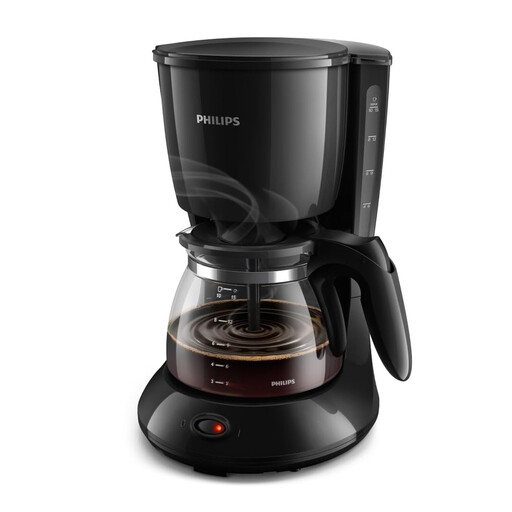
Why this product suits the profile: This filter machine uses ground coffee, offers a 1.2-litre capacity for 2 to 15 cups and keeps operation simple.
There is no unnecessary complexity from a grinder or milk system. The Aroma Twister, drip stop and water-level indicator are clearly designed for filter coffee.
1.2-litre capacity, 30-minute automatic switch-off, plus dishwasher-safe glass carafe and filter holder.
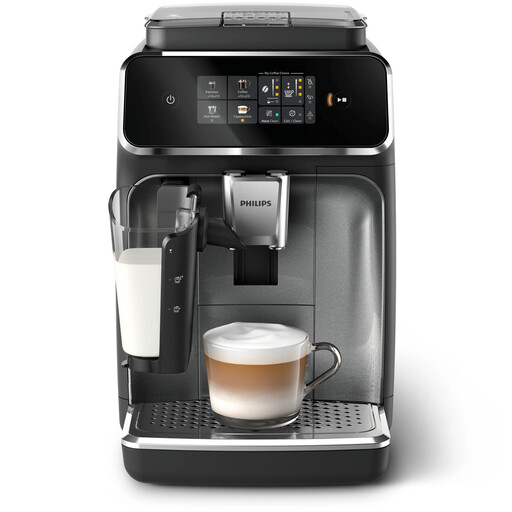
Why this product suits the profile: This bean-to-cup machine combines bean processing with four drink functions and a LatteGo milk system for households with different preferences.
The removable LatteGo system is designed for easy cleaning. The machine also displays maintenance instructions and supports AquaClean filters.
1.8-litre water tank, 275-g bean container, 12 grind settings and four selectable drinks according to the product information.
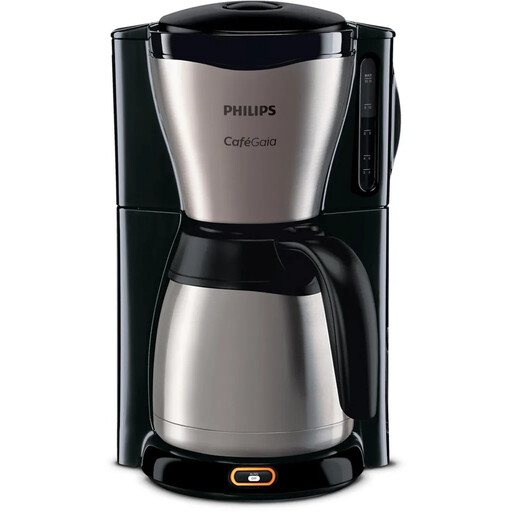
Why this product suits the profile: For households and small offices making several cups at a time, this machine offers a 1.2-litre capacity and a double-walled stainless-steel thermal carafe.
The thermal carafe reduces reliance on a permanently heated warming plate. The drip stop lets you pour coffee even while brewing is still in progress.
Up to 15 cups, automatic switch-off and, according to the product description, a double-walled stainless-steel carafe.
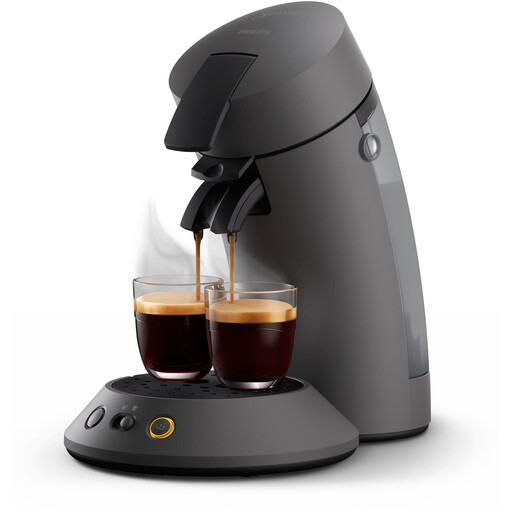
Why this product suits the profile: The Senseo coffee pod machine is designed for one or two cups and is ideal for small kitchens, offices or changing individual portions.
The compact design avoids the need to buy a large filter machine for individual cups. The 0.7-litre tank suits portion-based brewing.
TFT touchscreen, two separate outlets and automatic switch-off according to the product description.
We have put together a complete, regularly updated list of products that fully meet these strict selection criteria and the safety regulations applicable in the EU.
With a filter coffee machine, the main costs are for coffee, filters and descaler. A pod machine is quick to operate, but daily use of individual portions can result in higher consumption costs. A bean-to-cup machine also requires beans, a water filter and, where applicable, cleaning products for the brewing unit and milk system.
Before buying, you should therefore check:
This depends on the water hardness, frequency of use and model. Frequent use and hard tap water may require shorter intervals. The appliance display and the instructions in the user manual are the key points of reference. Descaler may only be used in accordance with the manufacturer’s instructions.
A Senseo machine uses coffee pods and is designed for quick, single-portion preparation. A bean-to-cup machine grinds coffee beans inside the appliance and, depending on its features, may offer several drink programmes and a milk system. As a result, the purchase, cleaning and maintenance requirements are generally more extensive.
For several cups per brewing cycle, filter models with around 1.2 to 1.3 litres are a sensible choice. A thermal carafe, such as the one supplied with the Café Gaia, can be practical if you want to serve the coffee over a longer period. Alternatively, a bean-to-cup machine with a larger water tank may be suitable for different individual drinks and bean coffee.