
Lieferung heute & morgen

Qualitätsgarantie

Willkommens-Angebote freischalten: KOSTENLOSE Lieferung | Bis zu 80 % RABATT | Kostenlose 30-Tage-JoyPlus-Testphase
App herunterladen
A phone card holder promises to simplify your daily life: your most important cards right on your smartphone, without a bulky wallet. But the market is flooded with products of widely varying quality. Many users quickly discover that their purchase is impractical, insecure, or simply unusable. This guide highlights the most common pitfalls and explains which technical features truly matter for making an informed decision.
Before choosing a model, it's helpful to know the typical weaknesses that often only become apparent in daily use.
To avoid the problems mentioned above, you should check three key parameters before buying. These determine the functionality, security, and longevity of your new accessory.
The way the holder attaches to your smartphone is the most fundamental decision.
A phone wallet must be robust yet practical.
For anyone carrying credit or debit cards with a contactless function, a card case with RFID protection is a sensible consideration. An integrated shielding layer blocks radio signals in the 13.56 MHz frequency range, protecting your data from being read without your knowledge. This feature is explicitly listed in product descriptions as "RFID-blocking" or "RFID protection."
Here are some recommendations tailored to specific needs and usage scenarios.
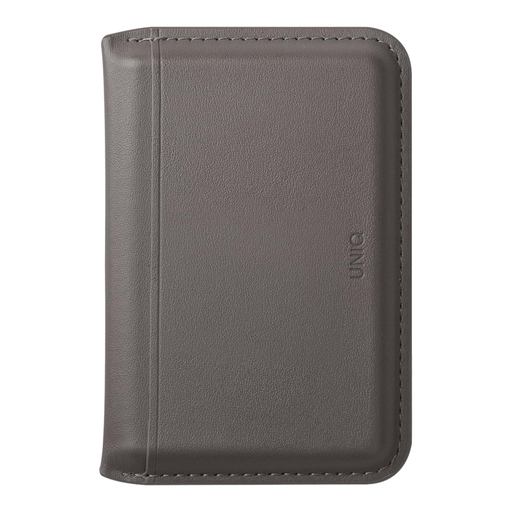
Why This Fits Their Persona: Ideal for professionals seeking a slim, secure, and multifunctional solution. The combination of magnetic attachment, RFID protection, and a stand function covers all the needs of a modern commuter's day without adding bulk.
Directly addresses the pitfalls of security and design. The integrated RFID protection secures card data, while the thoughtful layout with a pull-tab prevents impractical access to cards.
Capacity for up to 5 cards; integrated stand for hands-free viewing; secure magnetic attachment.
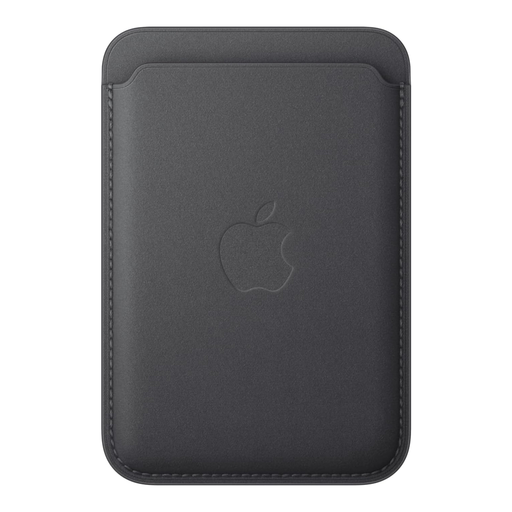
Why This Fits Their Persona: For users who value seamless integration into the Apple ecosystem, high-quality materials, and an official brand experience. The perfect accessory for anyone looking for an original iPhone card holder.
Sidesteps the weak adhesion trap with strong, perfectly aligned MagSafe magnets. The "Find My" feature also provides an extra layer of security against loss, which is missing from most third-party manufacturers.
Supports the "Find My" app for location tracking; made from recycled material; special shielding to protect credit cards.
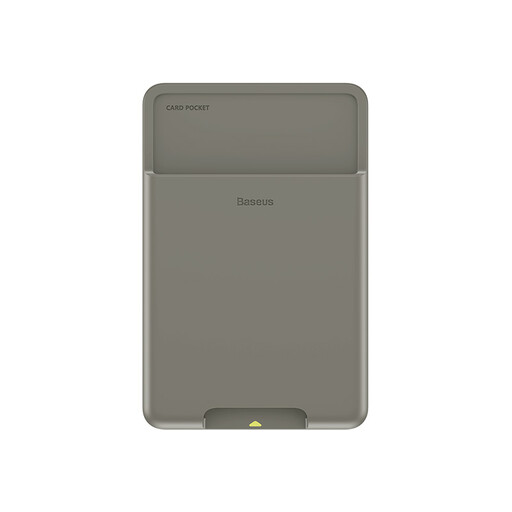
Why This Fits Their Persona: A straightforward and cost-effective solution for anyone looking for a universal stick-on option. Compatible with most smartphones and cases, this holder offers a simple way to always have your most important cards with you.
Counters the weak adhesion trap with a high-strength adhesive that, according to the manufacturer, holds securely on smooth surfaces yet can be removed without residue. The flexible silicone prevents cards from getting scratched.
Very slim and lightweight profile; universal compatibility with most smartphones; affordable and easy to apply.
We've compiled a complete, up-to-date list of products that meet these strict selection criteria. Find the model that perfectly matches your requirements.
Yes, a high-quality, MagSafe-compatible card holder holds very securely on an iPhone (model 12 or newer) or a MagSafe-compatible case. The magnets are specifically designed to create a strong connection that won't detach during normal daily use, including when sliding it in and out of a pocket. However, when used with cases that don't support MagSafe, the adhesive force is significantly reduced.
This concern is largely unfounded. Modern credit and debit cards with EMV chips are immune to the magnets used in a MagSafe Wallet. Older cards that rely solely on a magnetic stripe (e.g., some hotel key cards or older gift cards) could theoretically be affected. Official manufacturers like Apple state that their wallets are shielded to protect the cards.
Capacity varies by model. Most slim designs, both stick-on and magnetic, are designed for two to three cards. This is usually sufficient for an ID, driver's license, and a bank card. There are also wallet-style models that, with a folding mechanism, can accommodate four to five cards and even some cash. Check the product description for the exact card capacity.