
Lieferung heute & morgen

Qualitätsgarantie

Willkommens-Angebote freischalten: KOSTENLOSE Lieferung | Bis zu 80 % RABATT | Kostenlose 30-Tage-JoyPlus-Testphase
App herunterladen
Buying a new phone case seems simple at first glance. But the market is filled with marketing promises that often obscure more than they clarify. Many users find after just a few weeks that their supposedly durable case has yellowed, the buttons are sticking, or wireless charging no longer works. As your Joybuy Product Recommendation Officer, I'll filter the facts from the advertising slogans for you, so your next protective case becomes a worthwhile investment.
Before we dive into the important features, let's look at the three most common problems that lead to a bad purchase.
To avoid the pitfalls mentioned above, focus on three verifiable criteria. These will help you separate the wheat from the chaff.
The material is the foundation of any protective function. The most common plastics have different properties:
Specific design features are more crucial than general advertising claims.
A thin case is ideal for many users, but it must not compromise functionality.
Based on the criteria above, we have identified a few models suitable for specific user profiles.
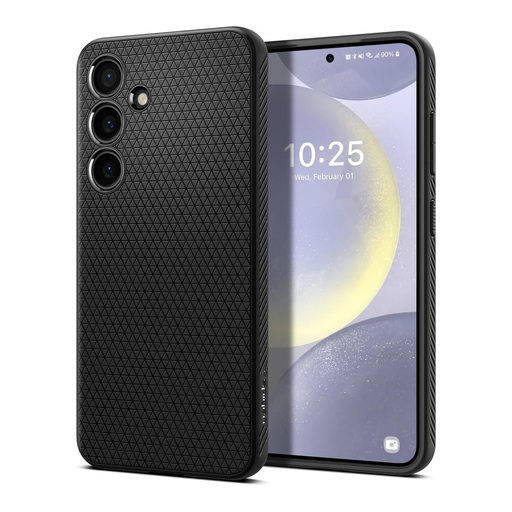
Why it's a great fit: Ideal for users seeking reliable but unobtrusive protection for daily use. The slim profile doesn't add bulk, while the matte texture provides a comfortable grip and prevents fingerprints.
Instead of vague promises, Spigen relies on its proprietary Air Cushion Technology in the corners. The matte TPU material is also resistant to yellowing.
A balanced combination of a slim design and proven protection technology with raised edges for the display and camera.

Why it's a great fit: Specially designed for iPhone users who want to take full advantage of the MagSafe ecosystem. The slim design and integrated magnetic ring ensure compatibility with chargers and accessories.
This case avoids the trap of limited functionality by being explicitly designed for MagSafe, ensuring a seamless magnetic connection.
Full compatibility with MagSafe accessories without needing to remove the case. The aluminum frame also provides high stability with low weight.
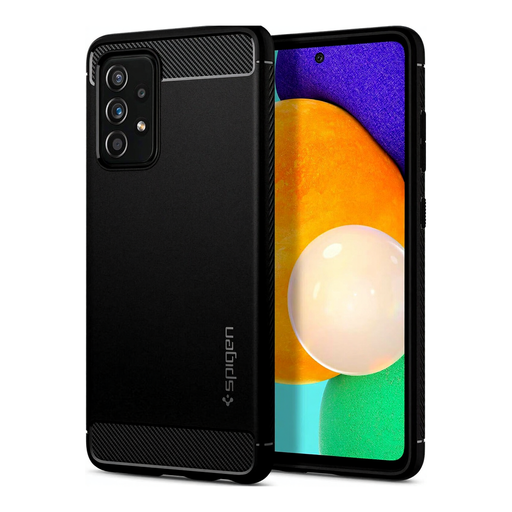
Why it's a great fit: For users who prioritize durability above all else. The carbon fiber texture design and reinforced TPU material are engineered for longevity and maximum drop protection.
Instead of a vague "military-grade" slogan, this model offers a proven combination of shock-absorbing TPU, Air Cushion Technology, and an internal spider-web pattern for impact dispersion.
High level of protection through reinforced corners and a robust overall design, without making the smartphone excessively bulky.
We have compiled a complete, up-to-date list of products that fully meet these strict selection criteria and safety standards.
Regular cleaning is recommended to remove dirt and bacteria that can accumulate between the case and the smartphone. A simple wipe with a damp cloth is usually sufficient. A case should be replaced as soon as it shows cracks, loses its shape, or the button covers no longer function properly, as its protective effect is no longer guaranteed.
Not necessarily. Most modern, high-quality protective cases, including shockproof models, are designed to be compatible with the Qi standard for wireless charging. The thickness of the back is the crucial factor. Cases made of TPU or polycarbonate with a thickness of up to 3-4 mm generally pose no problem. However, with extremely thick outdoor cases or those with metal plates, the function may be impaired.
"Raised edges" (also called "raised bezels" or a "protective lip") refer to the rim of the case that extends minimally beyond the display and camera lenses. This design feature is very important as it prevents the glass from directly touching a flat surface when the phone is placed down or dropped. This significantly reduces the risk of scratches and cracks.