
Lieferung heute & morgen

Qualitätsgarantie

Willkommens-Angebote freischalten: KOSTENLOSE Lieferung | Bis zu 80 % RABATT | Kostenlose 30-Tage-JoyPlus-Testphase
App herunterladen
Even with careful use, a smartphone can slip out of your hand, fall off a table or end up in a bag with your keys. A protective phone case with drop protection should therefore do more than look good: it should help absorb impacts, prevent scratches and withstand everyday wear and tear. But claims such as ‘military-grade drop protection’, ‘indestructible’ and ‘never yellows’ can mean very different things.
This buying guide explains which technical details matter, which design pitfalls are easy to overlook and which models suit different types of user.
Some manufacturers quote drop heights of two or three metres, or refer to standards such as MIL-STD-810G. These claims relate to specific test conditions; they don’t guarantee that a smartphone will survive every fall unscathed. The surface it lands on, the angle of impact, the phone model and the condition of the case all affect the result.
When choosing a shock-resistant phone case, look for practical design features such as reinforced corners, flexible frames and raised edges.
An ultra-thin case adds little bulk and feels comfortable in your hand. But without reinforced edges or a raised rim around the screen, its protection against impacts is limited. For larger devices, such as the iPhone 16 Pro Max, it’s important to strike a good balance between size, grip and impact protection.
A clear phone case can change appearance over time due to UV light, heat, skin oils and friction. A case specifically described as anti-yellowing, or one with a polycarbonate back, can reduce this risk. Even so, avoid exposing the case to high temperatures or harsh cleaning products for prolonged periods.
The case must fit your smartphone exactly. A case for the iPhone 16 Pro won’t necessarily fit the iPhone 16 Pro Max. The same applies to different versions of an iPhone 17 case or a Samsung Galaxy case. Check the model name, screen size, camera position and cut-outs for the USB port, speakers and buttons.
A silicone phone case isn’t automatically more shock-resistant than a TPU case. Material thickness, reinforced corners and the quality of the fit all matter.
A slightly raised edge can help prevent the screen or camera from resting directly on a flat surface. With a phone case with camera protection, the cover should not touch the lenses or restrict their field of view. A sliding camera cover offers extra protection from dust and scratches, but changes how you use the camera.
If you use magnetic mounts or chargers, check that the case is explicitly MagSafe-compatible. A simple metal ring doesn’t necessarily provide precise magnetic alignment. A very thick case or a poorly positioned ring can also affect wireless charging.
For magnetic products, be sure to check the relevant safety advice too. Suppliers of these models warn that magnets may affect medical devices. If you’re unsure, follow the manufacturer’s recommended distance and seek professional advice.
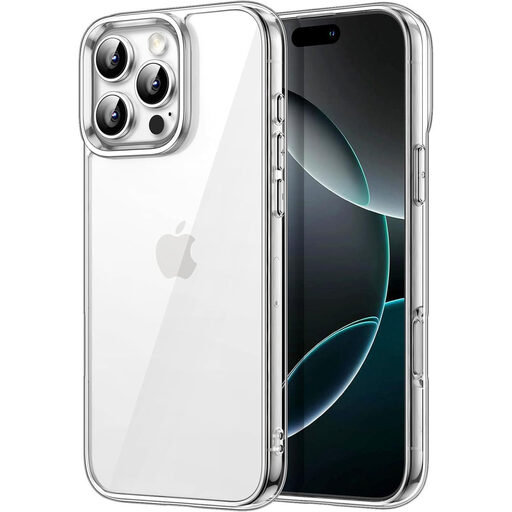
Why this product suits this type of user: This clear, slim case is for anyone who wants to show off their phone’s design while getting everyday protection for the essentials.
Four reinforced corners, raised edges and a scratch-resistant back address common weak points in slim cases.
Clear back, soft silicone edges, a raised camera rim and support for wireless charging, according to the product description.
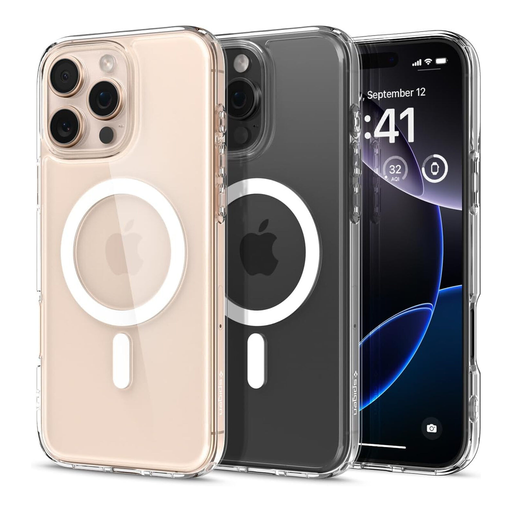
Why this product suits this type of user: A good choice if you want to combine a clear design, MagSafe functionality and structured drop protection in one case.
Rather than relying on a general protection claim, the manufacturer specifies Air Cushion corners, a TPU frame and a polycarbonate back.
Built-in magnets, raised protection around the screen and camera, and stated anti-yellowing properties.
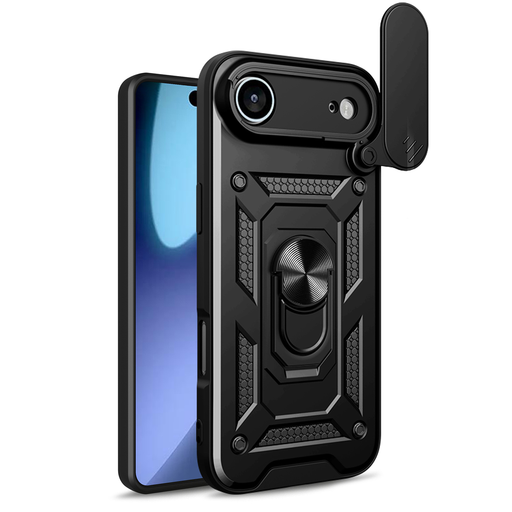
Why this product suits this type of user: The combination of a camera cover, stand and ring holder is designed for frequent use on the go, during video calls or while watching content.
The sliding camera cover protects the lenses when they’re not in use, while the TPU and polycarbonate work together to protect the frame.
Built-in stand or ring holder, precise cut-outs and extra lens protection.
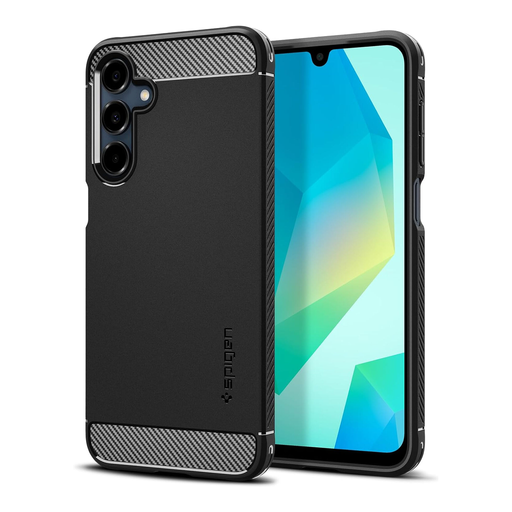
Why this product suits this type of user: The matte finish and ridged sides provide a practical grip for commuting, work and everyday use.
Reinforced corners, raised edges and an inner structure that helps distribute impact offer more than basic thin back protection.
Flexible TPU, Air Cushion technology, textured grip surfaces and support for wireless charging on compatible devices.
We’ve put together a comprehensive, regularly updated list of products that meet these strict selection criteria and fully comply with the safety regulations in force in the EU.
Lifespan depends on the material, how you use the case and the conditions it’s exposed to. Cracks, misshapen corners, loose edges or a noticeably weaker grip are signs that it’s time for a replacement. Even if there’s no visible damage, replace the case if it no longer fits snugly.
No. More material can provide extra space and cushioning, but the construction, corners, frame and raised edges are what really matter. A well-designed mid-weight case may be more practical than a bulky model with poorly aligned cut-outs.
Yes, with many models, provided the case is explicitly approved for it. MagSafe accessories also need the right magnetic alignment. Before you buy, check that the smartphone model, charger and case are all compatible.