
Lieferung heute & morgen

Qualitätsgarantie

Willkommens-Angebote freischalten: KOSTENLOSE Lieferung | Bis zu 80 % RABATT | Kostenlose 30-Tage-JoyPlus-Testphase
App herunterladen
A new smartphone is an investment. But a single careless moment can lead to a costly scratch or a cracked display. A high-quality phone screen protector is therefore not an option, but a necessity. However, the market is saturated and full of marketing promises that often create more confusion than clarity. This guide will help you separate the wheat from the chaff and find the right screen protector for your needs.
Before we dive into the technical details, let's highlight the three most common pitfalls that lead to frustration and unnecessary expense.
To avoid a bad purchase, you should focus on objective and verifiable criteria. The following three points are crucial for selecting the right screen protector.
The choice of material is the most fundamental decision. Both options have specific advantages and disadvantages:
Depending on your usage profile, other features may be relevant:
The principle of surface protection can also be applied to furniture. A transparent table protector made from a durable material like PVC shields delicate wood or glass tables from scratches, liquids, and heat. A high-quality washable PVC tablecloth is a long-lasting and low-maintenance solution for dining tables and desks.
Instead of making a blanket recommendation, we have selected products for specific user groups and their requirements.
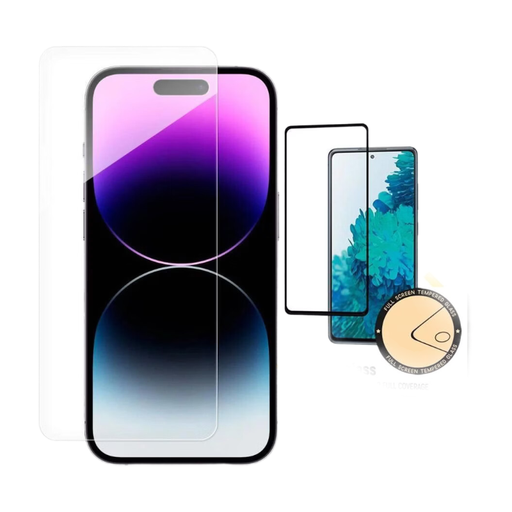
Why This Fits Their Persona: Ideal for users seeking reliable and discreet basic protection for daily use, without significantly altering the feel or design of their device.
This model-specific TPU film bypasses the "one-size-fits-all" trap with its precise fit for the Samsung Galaxy S25. The flexible material adapts well and comes with the necessary accessories for a clean installation.
Provides solid protection against scratches and dirt. The adhesive-free application and included accessories make installation easier.
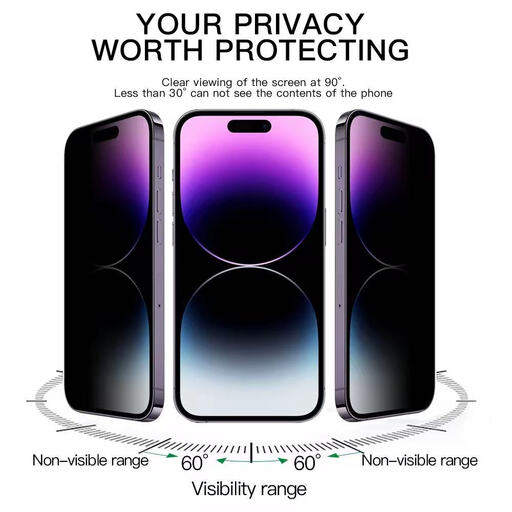
Why This Fits Their Persona: Perfect for users who frequently work on trains, in cafés, or in open-plan offices and want to protect their private messages, passwords, and sensitive data from prying eyes.
This product delivers a clear function instead of vague promises. The privacy filter technology is a specific feature that goes beyond simple scratch protection. It combines the 9H hardness rating with a genuine additional function.
Offers 360-degree privacy protection that darkens the screen when viewed from the side. The oleophobic coating also resists fingerprints and smudges.
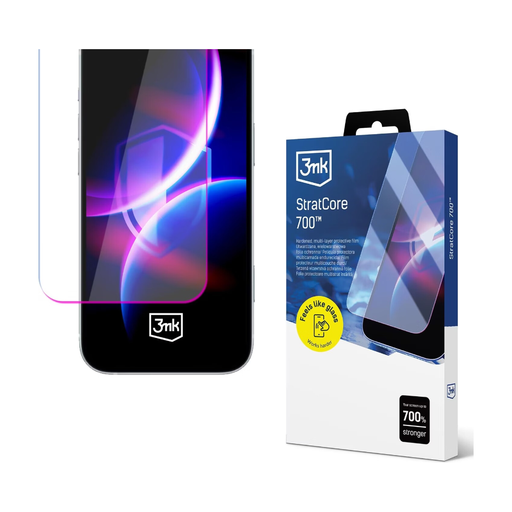
Why This Fits Their Persona: For owners of high-end smartphones who seek above-average protection that preserves the device's value while ensuring a glass-like feel and high functionality.
Instead of the vague "indestructible" myth, the manufacturer 3MK provides a concrete claim: the film is said to strengthen the screen's durability by up to 700%. This is a specific, albeit manufacturer-provided, performance description.
The multi-layer structure, with a thickness of 0.4 mm, offers high resistance to impacts and scratches. The oleophobic and hydrophobic coating keeps the display clean.
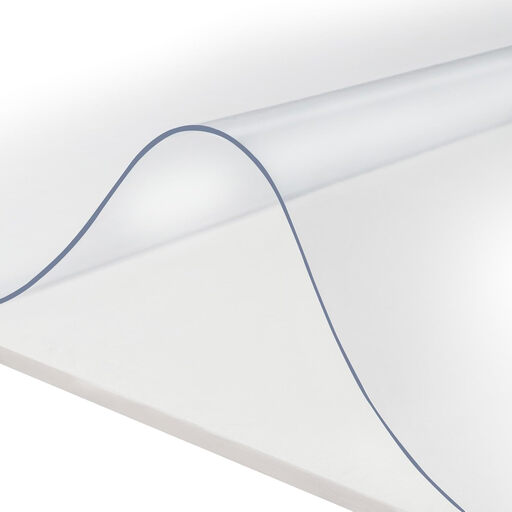
Why This Fits Their Persona: A practical solution for families and homeowners who want to invisibly protect valuable furniture surfaces like dining or office tables from scratches, stains, and daily wear.
Instead of vague durability promises, this product offers clear specifications: 2 mm thick PVC and heat resistance up to 80°C. These are measurable parameters that allow for an informed decision.
The protector is waterproof, oil-resistant, and very easy to clean. Its high transparency preserves the look of the table surface, while its thickness provides robust protection.
We have compiled a complete, up-to-date list of products that fully meet these strict selection criteria.
The lifespan of a phone screen protector heavily depends on usage and material. A high-quality tempered glass protector can last for several years with proper care but must be replaced immediately after a significant drop causes it to crack. Flexible TPU films may lose clarity over time due to wear at the edges or yellowing and should be replaced then.
Yes, applying a screen protector bubble-free is possible. The key is preparation. Work in a dust-free environment, thoroughly clean the display with the provided wipes, and use an installation frame if one is included. Start at one end and slowly smooth the protector on to avoid trapping air. Smaller bubbles can often be pushed out to the side or may disappear on their own within 24-48 hours with some films.
A privacy screen protector naturally reduces the display's brightness and colour vibrancy slightly, as it directs light forward. This is the technological trade-off for the added privacy. For users who value privacy in public more than maximum display brightness, this effect is usually acceptable. Readability remains good when viewing the screen head-on.