
Lieferung heute & morgen

Qualitätsgarantie

Willkommens-Angebote freischalten: KOSTENLOSE Lieferung | Bis zu 80 % RABATT | Kostenlose 30-Tage-JoyPlus-Testphase
App herunterladen
A good phone tripod is crucial for shake-free videos and sharp photos. But the market is flooded with products that overpromise and underdeliver. Many users invest in a tripod only to find it's unusable because it's unstable, the mount doesn't fit, or advertised features fail in practice. This guide will show you what to look for to avoid the common pitfalls and make an informed decision.
Before we dive into the technical details, it's important to know the most common issues that lead to a bad purchase. These three points often cause frustration and unnecessary expense:
To avoid these problems, you should focus on a few crucial technical parameters. These features determine the durability, safety, and functionality of your tripod.
The foundation of any good tripod is its material and the stability it provides. Models made of aluminum generally offer significantly higher rigidity and longevity than those made of simple plastic. Pay attention to the maximum payload capacity specified by the manufacturer. This is relevant not only for the weight of your smartphone but also for additional accessories like external microphones or video lights.
The mounting mechanism is just as critical. A universal 1/4-inch screw is the standard in the photo and video world and offers maximum flexibility. It allows you to mount smartphone holders, as well as an action cam or compact cameras like the DJI Osmo. For users of newer iPhones, a magnetic tripod with MagSafe compatibility can be an extremely fast and convenient alternative to the classic clamp.
Not every tripod is suitable for every purpose. Think carefully about where and how you want to use it:
Based on the criteria mentioned, we have identified a few models that are particularly well-suited for specific user groups and their requirements.
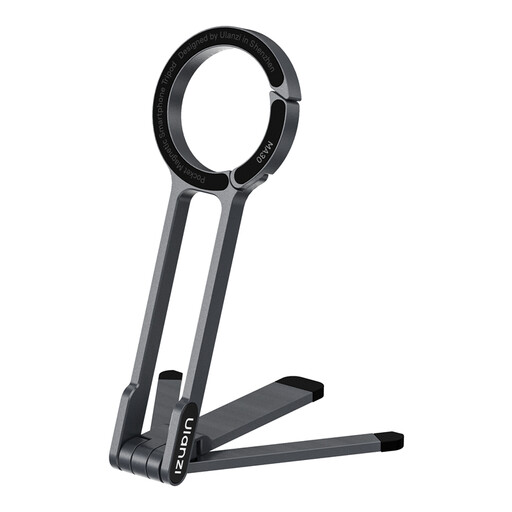
Why This Fits Their Persona: Ideal for spontaneous shooting on the go. The carabiner design lets you clip it to a backpack or belt loop, while the magnetic mount allows for lightning-fast attachment of a MagSafe-compatible iPhone.
The robust aluminum construction prevents instability. The Maglock mount bypasses the problem of worn-out clamps and provides a defined, secure hold.
Extremely portable thanks to its carabiner shape; quick attachment via magnet; functions as a tabletop tripod, grip, and mini selfie stick.
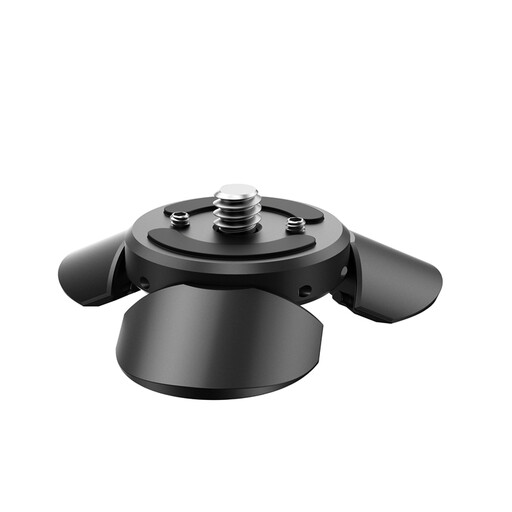
Why This Fits Their Persona: This kit is specifically designed as a DJI Osmo accessory. It provides a stable base for the gimbal and features a cutout that allows for charging during use—a crucial advantage for long time-lapse recordings.
The custom-fit mount solves the compatibility problem. The construction is designed for the weight and center of gravity of the Osmo Pocket, thus preventing instability.
Allows charging during use; 1/4-inch thread for additional extensions; provides a stable platform for gimbal movements.
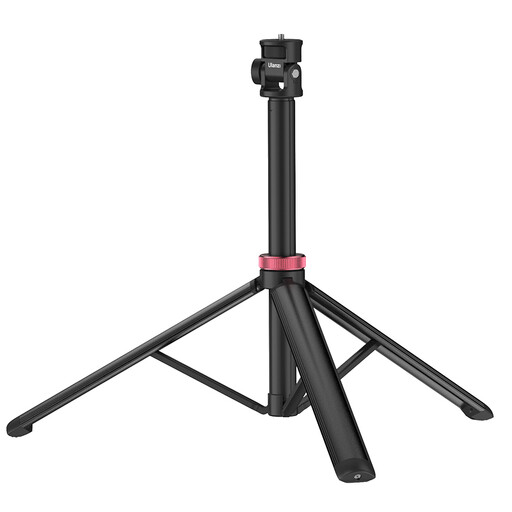
Why This Fits Their Persona: For users who need maximum height flexibility—whether for group selfies, shooting over obstacles, or as an impromptu light stand. The enormous extension length of 204 cm is remarkable in this class.
The aluminum construction ensures better stability than cheap selfie sticks, even at full extension. It focuses on its core function and avoids unreliable extra gimmicks.
Extends up to 204 cm; universal 1/4-inch screw for high compatibility; relatively compact packed size despite its long reach.
We've compiled a complete, up-to-date list of products that fully meet these strict selection criteria and all applicable safety regulations.
Not necessarily. The crucial factor is the clamping range of the mount. Measure the width of your smartphone, including its case, and compare it to the manufacturer's specifications for the tripod. Tripods with a 1/4-inch screw are more universal, as you can attach a separate, suitable smartphone holder. For newer iPhones, magnetic tripods with MagSafe compatibility offer a simple and secure solution.
Yes, as long as the tripod has a standard 1/4-inch screw and the maximum payload capacity is not exceeded. A lightweight action cam tripod or a tripod for a shotgun microphone is often identical to a good phone tripod. Always check the total weight of your equipment (camera + lens + microphone) and compare it with the tripod manufacturer's specifications to prevent damage.
Price alone is not an indicator of quality. A very cheap tripod for under $20 can turn out to be a costly mistake if it can't securely hold your $1,000 smartphone. A solid model made of aluminum with a sturdy mount and well-thought-out features often offers better value for money and protects your gear in the long run. Invest in stability and material quality rather than short-lived gimmicks.