
Lieferung heute & morgen

Qualitätsgarantie

Willkommens-Angebote freischalten: KOSTENLOSE Lieferung | Bis zu 80 % RABATT | Kostenlose 30-Tage-JoyPlus-Testphase
App herunterladen
A phone tripod should hold your smartphone securely, be quick to set up and take up as little space as possible when you’re out and about. In practice, though, some features that seem useful can lead to a disappointing purchase. A magnetic tripod, for example, won’t necessarily work with every smartphone; a small model may not stand securely on every surface; and a supposedly versatile selfie stick with a tripod may struggle to support larger devices.
This guide explains what to look for when buying one. We cover smartphone tripods, mini phone tripods, travel models, and options for action cameras and compact digital cameras.
A MagSafe tripod or magnetic tripod is particularly quick to set up. However, the magnetic connection only works reliably if your smartphone or case has a compatible magnetic system. Other devices may need a suitable magnetic case or an adapter.
Before buying, check:
With products that use magnets, check the connection before letting go of your smartphone.
A folding phone tripod or mini phone tripod is easy to carry. However, it will usually have a smaller footprint and weigh less than a larger travel tripod. On uneven surfaces or in windy conditions, or when extra accessories are attached, it may tip over.
A compact model is often all you need for tabletop shots and video calls. For longer outdoor shoots, choose a tripod with sufficiently wide legs, non-slip feet and a clearly stated load capacity.
A Bluetooth remote shutter makes group photos, selfies and vlogs easier. Its range depends on your smartphone, surroundings and connection. The remote usually also needs a button cell battery. Check that the battery, pairing method and your smartphone’s operating system are compatible.
Smartphones can be mounted using spring clamps, magnetic holders or combination systems. A spring clamp is usually more versatile across different smartphone models. A magnetic tripod, on the other hand, is quick to attach but requires a compatible magnetic system.
The 1/4-inch thread is an important standard for cameras and action cameras. It allows you to attach many compact digital cameras, certain action cameras and compatible smartphone holders. Check:
A camera tripod designed for larger equipment won’t necessarily be practical for every smartphone. Likewise, a tripod designed solely for smartphones may not be suitable for a camera.
The stated maximum load capacity is a technical guideline and shouldn’t be exceeded. It’s not just the camera’s weight that matters: the centre of gravity is important too. A long lens or a microphone attached to the side can put extra strain on the setup.
A mini tripod is often enough for a smartphone with a small microphone. For a compact camera or additional lighting, a sturdier travel tripod is a better choice.
A traditional travel tripod offers a greater working height, but is larger and heavier. A flexible mini tripod can be attached to railings, branches or fences, but it needs to be secured firmly.
Useful specifications include:
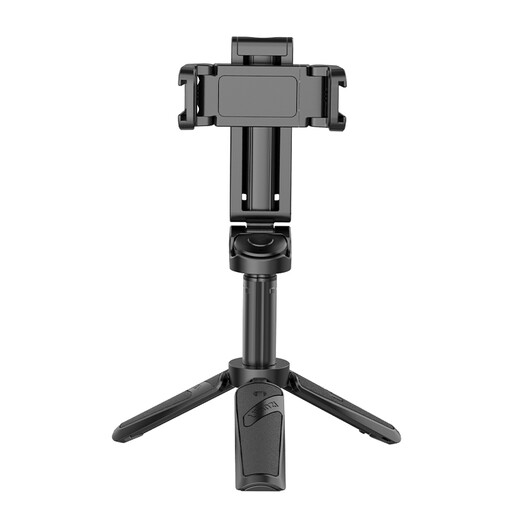
Why it suits this user: The 3-in-1 design combines a phone grip, selfie stick and mini tripod. It’s a good option for occasional selfies, short videos and tabletop shots.
Its features are designed specifically for smartphones. Use it on a stable surface and make sure the holder is securely closed.
Compact 3-in-1 design, two cold shoe mounts and a Bluetooth remote shutter, according to the product information.
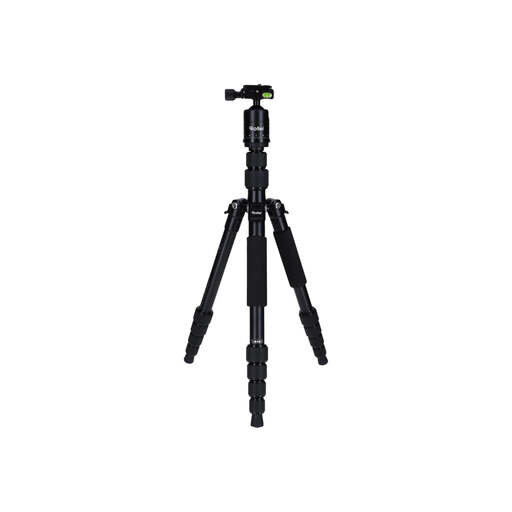
Why it suits this user: This travel tripod is designed for people who want to use a compact camera as well as a smartphone, and value adjustable height.
The maximum load capacity of 5 kg and the 1/4-inch mount are specified. Even so, you’ll need to consider the camera, accessories and centre of gravity together.
32 cm packed length, working height of 32 to 134 cm and a panoramic ball head with three bubble levels, according to the product details.
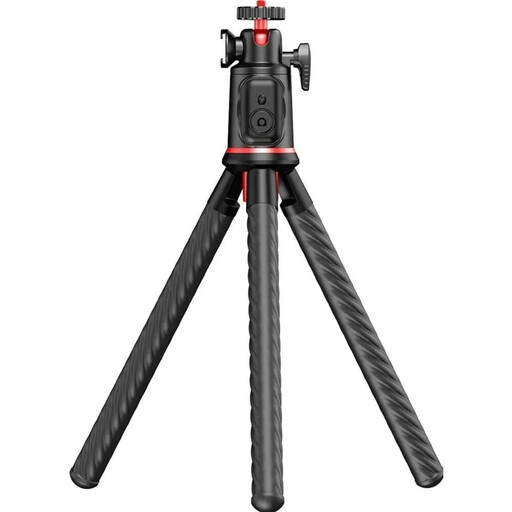
Why it suits this user: Vloggers and travellers can wrap the flexible legs around suitable structures, or use the model as a tabletop tripod and selfie stick.
Its flexible design is intended for specific mounting situations. Before letting go, wrap the legs firmly around the structure and make sure you stay within the 2 kg load capacity.
360° ball head, cold shoe mount for a microphone or light, 1/4-inch thread and Bluetooth 5.4 remote shutter, according to the product description.
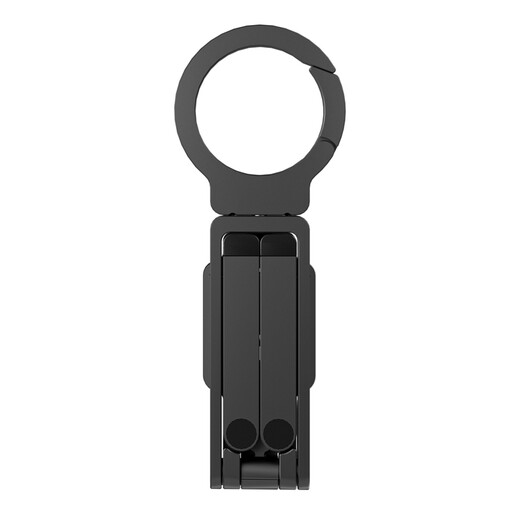
Why it suits this user: This folding magnetic tripod is designed for compatible iPhones and MagSafe devices. It’s ideal for mobile filming, with a quick switch between handheld and tripod use.
Check compatibility with your smartphone and case before buying. Make sure the magnet is fully attached before letting go of your device.
4-in-1 design, folding construction and magnetic attachment for the MagSafe-compatible devices listed in the product description.
Place your phone tripod on a level, stable surface and lock all the legs or joints in place. When using a 1/4-inch thread, tighten the camera by hand only. Tightening it too much can damage the thread or mount.
To help your tripod last longer:
If you’re looking for a travel tripod with a smartphone holder and greater working height, consider the Rollei Smartphone Traveler Tripod. It has a maximum height of 120 cm and a stated load capacity of 2 kg. For compact cameras, the ULANZI MT-08 with a 1/4-inch connection is worth considering. The ULANZI MT-30 combines flexible legs with magnetic attachment, making it a good option if you want to try creative angles in a compact space.
We’ve put together a complete, regularly updated list of products that meet these strict selection criteria and fully comply with the safety regulations in force in the EU.
For travel, a compact packed size, low weight and quick set-up are key. A mini phone tripod fits into many bags. If you also use a camera, choose a model with a 1/4-inch thread and a higher load capacity.
No. A magnetic tripod needs a compatible magnetic system, such as MagSafe, or a suitable case or adapter. Before use, check that the magnet is fully and securely attached.
The price depends on the materials, holder, load capacity, tripod head and accessories. A basic mini model is usually cheaper than an aluminium travel tripod with a ball head. The key is to choose features that suit how you’ll actually use it, rather than paying for ones you don’t need.