
Lieferung heute & morgen

Qualitätsgarantie

Willkommens-Angebote freischalten: KOSTENLOSE Lieferung | Bis zu 80 % RABATT | Kostenlose 30-Tage-JoyPlus-Testphase
App herunterladen
Clear vision is crucial for performance and safety when cycling. Especially in changing light conditions—like transitioning from sunny stretches to shaded forest paths—conventional sunglasses reach their limits. A pair of photochromic cycling glasses, also known as self-tinting cycling glasses, automatically adjusts its tint based on UV radiation. However, the market is saturated with models whose real-world performance often falls short of their marketing promises. Before you make a decision, you should know the most common pitfalls that can lead to a bad purchase.
Many cyclists invest in photochromic glasses only to be disappointed because crucial functional details were overlooked. Pay attention to these three points to avoid buying a pair that's unfit for purpose.
To avoid these pitfalls, focus on the following objective features. These define the quality and functionality of sports eyewear.
Lens tints are classified into categories (Cat.) from 0 to 4. For cycling, a wide range is ideal.
A good pair of photochromic glasses should cover at least the Cat. 1 to Cat. 3 range. Models that lighten all the way to Cat. 0 offer the greatest versatility.
A pair of polarised road cycling glasses also filters horizontal light reflections, such as those from wet roads or water surfaces. This reduces glare and can decrease eye strain. For MTB riders, however, this can be a disadvantage, as polarised lenses can alter the perception of slick surfaces like wet roots or rocks. Consider whether glare reduction is beneficial for your primary discipline.
Modern sports eyewear frames are typically made of TR90. This thermoplastic material is extremely lightweight, flexible, and shatter-resistant. It holds its shape and resists chemicals like sunscreen. For lenses, polycarbonate is the standard. It is impact-resistant and protects the eyes from kicked-up pebbles or insects, which is especially important for UV400 MTB glasses. Adjustable nose pads and rubberised temple tips ensure a secure, non-slip fit.
Here are some recommendations tailored to the specific requirement profiles of cyclists.
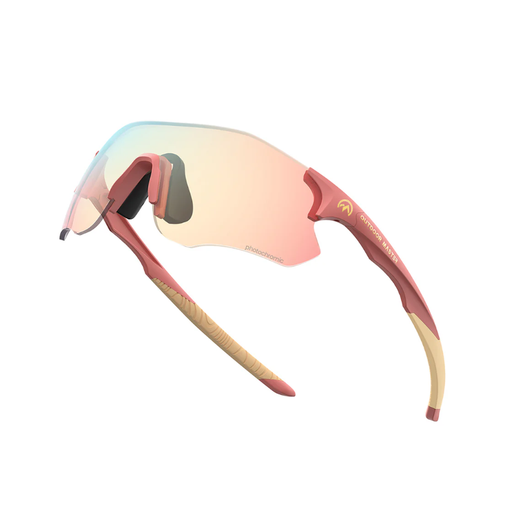
Why This Fits Their Persona: Ideal for rapid light changes in the forest. The photochromic lens adapts without being polarized, ensuring the texture of the ground (roots, rocks) remains clearly visible. This enhances safety on technical trails.
This model offers a clearly defined, wide tinting range from Cat. 0 to Cat. 3, thus avoiding the pitfall of an insufficient adjustment range.
Impact-resistant polycarbonate lenses with UV400 protection and a lightweight TR90 frame provide safety and comfort on the trail.
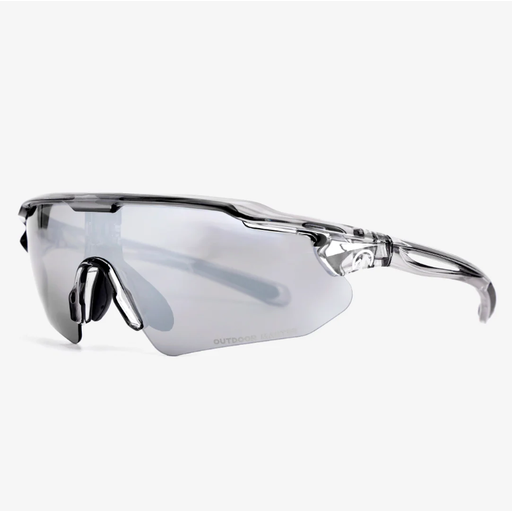
Why This Fits Their Persona: The combination of photochromic and polarization technology is ideal for road cyclists. It reduces glare from wet asphalt while adapting to changing light conditions on long rides.
This model combines two advanced technologies, avoiding the trade-off of having to choose between adaptive glare protection and tint adjustment.
Offers both photochromic and polarizing properties in a single lens. An included prescription insert also makes them suitable for glasses wearers.
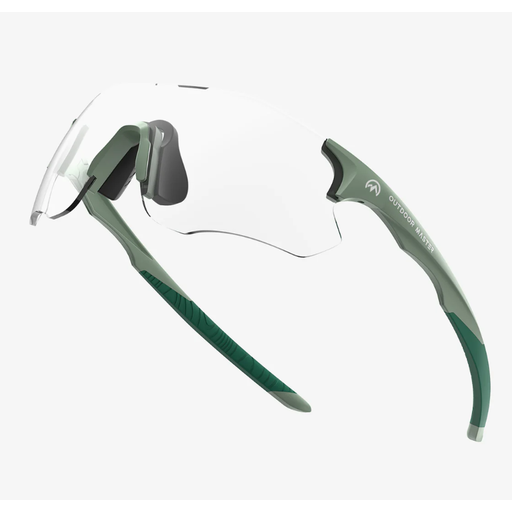
Why This Fits Their Persona: For daily commutes or long tours that start at dawn or end at dusk. The glasses reliably adapt to all light conditions, offering continuous protection and comfort without needing to swap lenses.
Focuses on the core function: reliable photochromic adjustment. It avoids the pitfall of paying for unnecessary extra features that aren't needed for everyday use.
A very lightweight design for all-day comfort. The non-slip elements ensure a secure fit even in rain or with sweat.
We have compiled a complete, up-to-date list of products that fully meet these strict selection criteria and safety regulations.
1. How fast do photochromic cycling glasses really react? The reaction speed depends on the intensity of UV radiation and the ambient temperature. In colder weather, the lenses tend to react a bit more slowly. Modern lenses typically take between 20 and 60 seconds to fully transition from light to dark. The process of lightening up often takes slightly longer. What's crucial is that the initial, noticeable adjustment happens within a few seconds of a sudden light change to ensure safety.
2. Can I use photochromic glasses if I wear prescription glasses? Yes, some models like the OutdoorMaster sunglasses from the HAWK series come with a special insert for prescription lenses (Prescription Inner Frame). This clip can be fitted with lenses in your prescription by an optician and easily attached behind the main lens. This is a cost-effective alternative to expensive, direct-glazed sports glasses.
3. How do I care for the lenses of my self-tinting sport sunglasses? The photochromic coating is either integrated into the lens material or applied to its surface and should be handled with care. Clean the lenses only with the provided microfibre bag or a soft, clean cloth. For heavier soiling, you can use lukewarm water and a mild, pH-neutral soap. Avoid harsh cleaning agents, saltwater, or high heat (e.g., on a car dashboard), as these can damage the coating.