
Lieferung heute & morgen

Qualitätsgarantie

Willkommens-Angebote freischalten: KOSTENLOSE Lieferung | Bis zu 80 % RABATT | Kostenlose 30-Tage-JoyPlus-Testphase
App herunterladen
As a cyclist, you know the challenge: light conditions are constantly changing. A ride that starts in a shaded forest can end on a sun-drenched country road. Constantly changing your glasses or riding with an inappropriate tint not only compromises comfort but also safety. Photochromic cycling sunglasses automatically adapt to the light intensity, ensuring consistently clear vision.
This article serves as a practical guide. We'll explain the essential features of modern sports sunglasses and present a selection of models designed for ambitious cyclists. Our goal is to provide you with a solid basis for making an informed decision so you can find the right pair for your needs.
Choosing the right sunglasses depends on several technical factors. Here are the most important criteria to consider in your decision.
These two technologies are often confused, but they serve different purposes.
Some models combine both technologies to offer a comprehensive solution for all conditions.
Glasses that slip at high speed or on uneven terrain are a safety risk. Therefore, pay attention to the following aspects:
Protecting your eyes is the top priority. High-quality sports sunglasses with UV400 protection are the standard. This feature means the lenses block 100% of harmful UVA and UVB rays up to a wavelength of 400 nanometres.
Additionally, the impact resistance of the lenses is important to protect your eyes from kicked-up pebbles, insects, or branches. Materials like polycarbonate are particularly suitable for this. Some glasses are certified to standards like ANSI Z87.1, which confirms tested durability.
Based on the criteria above, we have compiled a selection of models that stand out for their functional features.
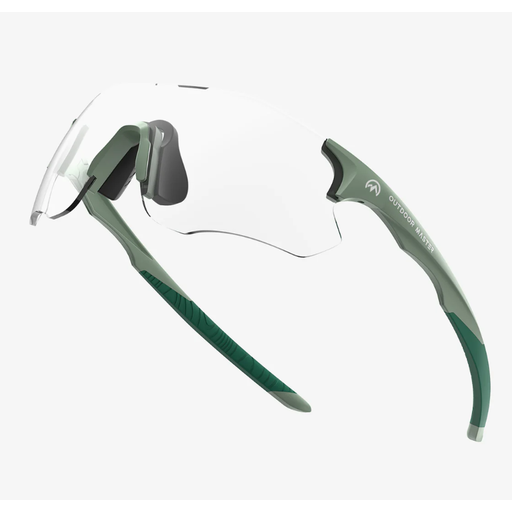
Why They Stand Out This model is distinguished by its highly responsive photochromic technology. The lenses automatically adjust their tint from Category 0 (almost clear) to Category 3 (dark) based on UV intensity. This makes them a versatile companion for rides that start at dusk or pass through tunnels and dense forests.
Advantages
Who They're For For cyclists looking for a single pair of glasses for a wide variety of light conditions. Ideal for long tours, mountain biking on trails with changing light, and for training in the morning or evening hours.
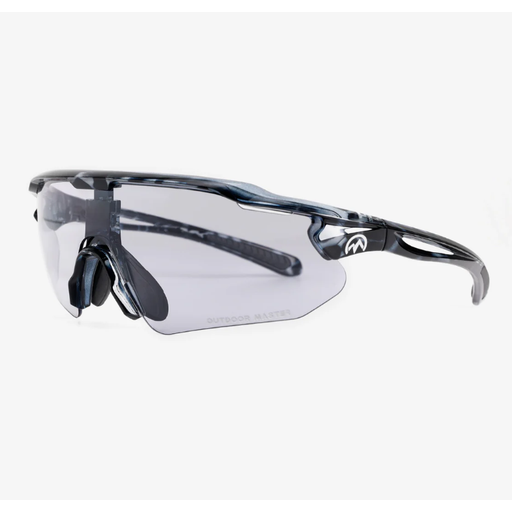
Why They Stand Out The HAWK LT combines two powerful technologies: photochromic and polarisation. While the tint adapts to the brightness, the polarisation filters out distracting glare from wet roads or other reflective surfaces. Weighing only 26–29 grams, they are also extremely lightweight.
Advantages
Who They're For For road cyclists and multi-sport athletes who frequently ride in bright sunshine and on reflective surfaces. The combination of both technologies provides a solution for almost any conceivable condition.
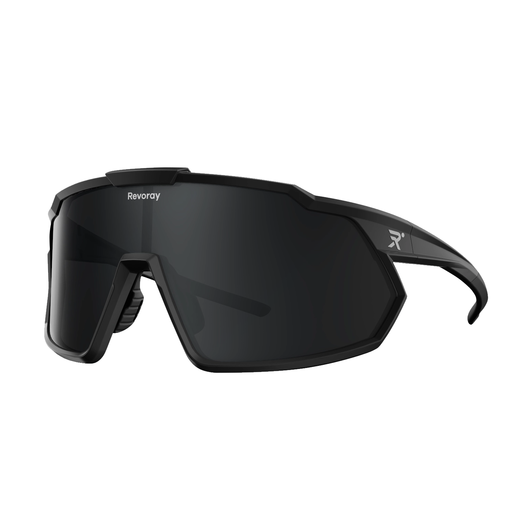
Why They Stand Out This model focuses on premium anti-glare protection through HD TAC polarised lenses. It is certified to the ANSI Z87.1 standard for impact resistance, making it a robust choice for demanding conditions. Weighing just 33 grams and featuring a flexible TR90 frame, it offers a stable and comfortable fit.
Advantages
Who They're For For cyclists who primarily ride in sunny conditions and require maximum glare protection. Especially suitable for mountain bikers and road cyclists who value certified impact resistance and a clear, glare-free view.
The models presented cover a broad spectrum of requirements. However, if you haven't found the perfect pair of glasses yet, there are many more alternatives to explore. Different designs, colours, and lens technologies are waiting to be discovered by you.
Discover our entire range of cycling sunglasses and find the right model for your needs.
Photochromic, also known as self-tinting, means that the lenses contain special molecules that react to UV light. In strong sunlight, these molecules realign and absorb more light, causing the lens to darken. When UV radiation decreases, the molecules return to their original state, and the lens lightens again.
That depends on your primary riding conditions. Photochromic cycling sunglasses are excellent for tours with changing light, such as rides through forests, tunnels, or from dawn into day. Polarised glasses are superior when it comes to reducing intense glare on wet roads or from a low-lying sun. For an all-round solution, models that combine both technologies are a great choice.
For MTB glasses, three factors are particularly important: