Considerate evening listeners
You listen to piano concertos while someone else in the bedroom needs some peace and quiet. At your usual listening volume, check whether your music can be heard by someone nearby.


If someone else in the same bedroom needs peace and quiet, a well-fitting pair of closed-back headphones is a sensible place to start. At your usual listening volume, check whether your music can be heard by someone nearby. ANC can also help if room noise distracts you, but it won’t automatically stop the other person from hearing your music. Compare the piano sound and fit, and check the connection against your own recordings and audio source.
You listen to piano concertos while someone else in the bedroom needs some peace and quiet. At your usual listening volume, check whether your music can be heard by someone nearby.
You want to follow quiet passages despite background noise. Compare passive isolation and, where relevant, ANC, but don’t assume either means less sound will escape to others.
You listen closely to longer recordings and want to compare the sound and fit with your own audio source. Manufacturer descriptions are no substitute for listening for yourself.
A good fit if: you listen in one place and want to disturb the other person in the room as little as possible.
Things to consider: Check the fit and how much sound escapes at your listening volume; make sure the plug is compatible with your audio output.
A good fit if: room noise also distracts you and you’d like a wireless option.
Things to consider: ANC affects the noise you hear; sound leakage to others, battery life and charging needs should be considered separately.
A good fit if: sound leakage won’t disturb anyone in your room and you value an open listening experience.
Things to consider: Beyerdynamic distinguishes the open-back DT 900 PRO X from the closed-back DT 700 PRO X. Open-back headphones are therefore not an obvious choice when someone else in the room needs peace and quiet.
| What matters | What to check when buying | Who it matters most to |
|---|---|---|
| Sound leakage | At your usual listening volume, check what someone else in the room can hear; pay attention to how the ear pads fit. | When I listen in the evening, I want the other person to hear as little of my music as possible. That’s why around 36% of consumers put low sound leakage to others first. |
| Room noise | Assess passive isolation and ANC separately; don’t simply turn the volume up. | When background noise drowns out quiet piano passages, I want to be able to follow them more easily. Around 29% of consumers prioritise uninterrupted listening for this reason. |
| Piano sound and fit | Compare familiar recordings using your own audio source, and check the fit during longer listening sessions. | When I want to listen to a whole concert, the sound and comfort need to work for me. Around 21% of consumers put piano sound and long-wearing comfort first. |
| Connection and ease of use | Check the plug and socket, or Bluetooth compatibility; if you choose wireless headphones, factor in charging needs. | When I want to keep using my existing audio source, the connection needs to work for everyday use. Around 14% of consumers prioritise connection and ease of use. |
ANC targets the noise you hear. It doesn’t tell you whether your music can be heard outside the earcups.
Check both separately: how well the headphones isolate you, and how much sound reaches the other person at your usual listening volume.
Open-back headphones provide different isolation from closed-back models. In a shared bedroom, that could conflict with the other person’s need for peace and quiet.
Choose this design only if music escaping from the headphones won’t disturb anyone in your particular room.
Claims about sound, comfort and battery life describe a model or specific operating conditions. They don’t prove how it will feel or sound to you.
Try the fit and compare familiar piano recordings using your own audio source. For wireless models, check the stated battery-life mode.
The closed-back, wired DT 700 PRO X is an option if passive isolation and listening in one place are your priorities.
The HD 620S is a closed-back, wired alternative for listeners who also value a spacious soundstage.
The ATH-M50x adds another closed-back, wired studio headphone to the range of options.
The closed-back WH-1000XM6 is a wireless over-ear model with ANC and an additional cable input.
The QuietComfort Ultra Headphones (2nd Gen) are an ANC over-ear option if room noise gets in the way of your listening.
The range mainly includes wireless over-ear headphones with ANC, as well as one wired in-ear option. ANC doesn’t tell you whether the other person can hear your music, so check sound leakage separately at your usual listening volume.
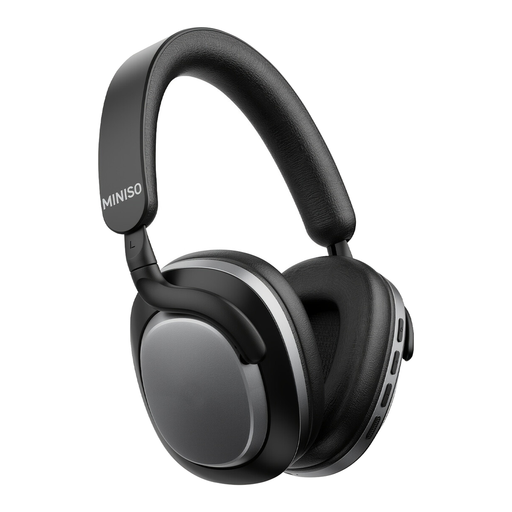 No image available
Could suit you if you’re looking for wireless over-ear headphones with ANC; that doesn’t mean other people won’t be able to hear your music.
Battery life stated in the product name: 24 hours.
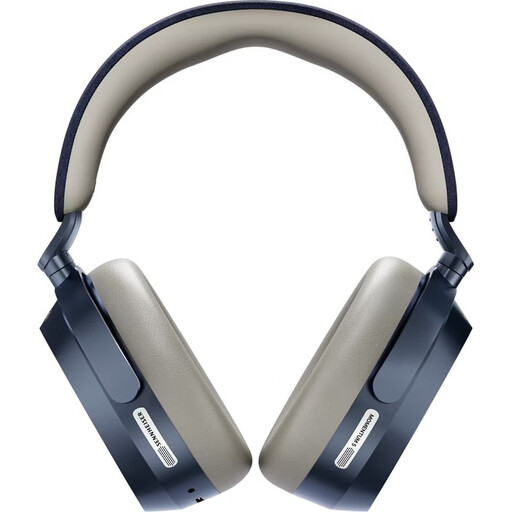 No image available
Could be of interest if you’re looking for wireless over-ear headphones with ANC and a replaceable battery; remember to check sound leakage separately.
Battery life stated in the product name: up to 57 hours.
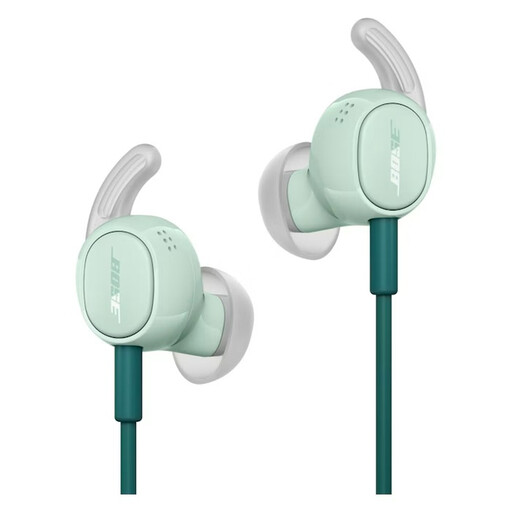 No image available
This wired in-ear option could suit you if you don’t want to use Bluetooth; check that the stated USB-C connection works with your audio source.
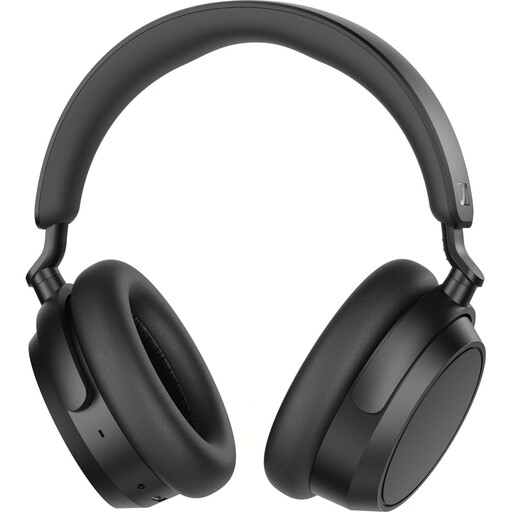 No image available
Could suit you if you want ANC and a detachable cable; you’ll need to check separately whether the other person can hear your music.
Stated in the product name: Bluetooth 5.2 with aptX and Multipoint, plus up to 50 hours of battery life.
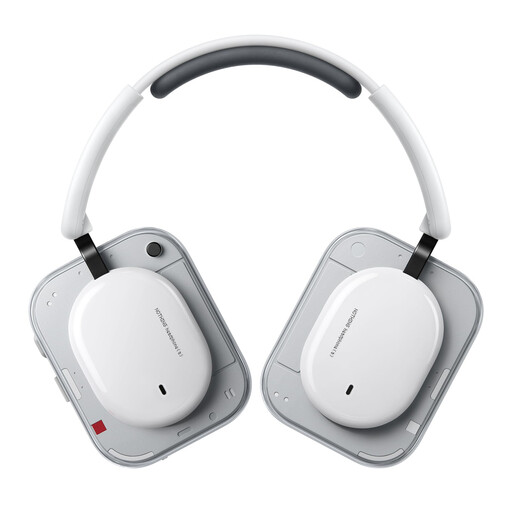 No image available
Could be of interest if you’re looking for wireless over-ear headphones with ANC and both Bluetooth and wired connections; ANC doesn’t prove that little sound will escape.
Stated in the product name: 40 mm drivers, LDAC, Bluetooth, and 3.5 mm and USB-C connections.
No. ANC alone doesn’t prove that: it affects the noise you hear. Also check whether your music can be heard outside the headphones at your usual volume, with them fitted as you’d wear them.
Compare the socket on your audio source with the plug supplied with the exact model. For the DT 700 PRO X, beyerdynamic lists a cable with a 3.5 mm jack plug and a 6.35 mm adapter; other models come with their own specified accessories.
The World Health Organization recommends well-fitting or noise-reducing headphones to reduce the temptation to turn up the volume in noisy surroundings. Keeping the volume down and taking listening breaks are still sensible. The 80 dB for up to 40 hours a week cited by the World Health Organization is a guide to sound exposure, not a guarantee for a particular model or every listener.
Check whether replacement ear pads are available for the specific model and whether its battery suits the way you use it. If a product is faulty, distinguish your statutory rights from any voluntary manufacturer’s guarantee; the seller is generally responsible for your statutory rights.
The German Federal Network Agency carries out spot checks on products and, for Bluetooth products, checks matters including CE marking, traceability, manufacturer details, required German-language instructions and declarations of conformity. The CE mark is based on the manufacturer’s declaration that the product complies with relevant regulations; it isn’t an independent mark of sound quality or comfort.