Mixing at a shared desk
If you edit piano recordings alongside other people, you need to consider both sound leakage and background noise. Focusrite Support says closed-back headphones can help reduce bleed when recording with a microphone.


If your playback could disturb other people at your desk, or you record there using a microphone, closed-back studio headphones are the obvious place to start. In a quiet listening space, open-back models are worth considering for judging detail and stereo positioning. Either way, check the fit, sound signature and connection to your audio interface.
If you edit piano recordings alongside other people, you need to consider both sound leakage and background noise. Focusrite Support says closed-back headphones can help reduce bleed when recording with a microphone.
If you can work without distractions, open-back headphones are worth considering for judging detail and stereo positioning. Focusrite Support lists open-back and semi-open models as options for the control room.
If you monitor through headphones while recording, keeping playback out of the microphone signal is an important consideration. Focusrite Support notes that closed-back designs can help reduce bleed.
A good fit if: You want to avoid disturbing other people at a shared desk, or need to monitor while recording with a microphone.
Worth noting: Isolation doesn’t tell you whether the sound signature will suit your mix. HIFI.DE criticised the bass emphasis on the DT 700 PRO X and ATH-M50x.
A good fit if: You want to assess piano detail and stereo positioning in a quiet space without disturbing others with sound leakage.
Worth noting: The open-back design lets more sound pass between the headphones and your surroundings, making it less suitable when recording with a microphone near other people.
| What matters when buying | What to check | Who it matters most to |
|---|---|---|
| Consideration for others and isolation | When recording with a microphone, check whether a closed-back design makes sense for your space. Focusrite Support says it can help reduce bleed. | If I want to avoid disturbing others at a shared desk and take background noise into account, both matter. Around 36% of consumers prioritise consideration for others and isolation. |
| Piano sound and stereo | Compare familiar piano recordings. HIFI.DE criticised the bass emphasis on the DT 700 PRO X and ATH-M50x. | If I want to judge balance, attack and stereo positioning, I check the sound signature with recordings I know. Around 29% of consumers say assessing mixes is their main concern. |
| Comfort during long sessions | Consider clamping force, ear cup size and how they fit with your glasses. HIFI.DE reports high clamping force and ear cups that are too small for some people on the ATH-M50x. | If I’m mixing piano for long periods, I want to avoid pressure points and an uncomfortable fit. Around 21% of consumers prioritise long-term comfort. |
| Connection and product lifespan | Check the plug, adapter and headphone output on your audio interface. Focusrite Support says that sensitivity and source level, as well as impedance, affect the volume you can achieve. | If I want to use the headphones with my existing interface and find suitable replacement parts, I check the connection and parts for the exact model. Around 14% of consumers have this as their main concern. |
Isolation and sound signature are different things. HIFI.DE criticised the bass emphasis on the specific DT 700 PRO X and ATH-M50x models.
First, choose based on the conditions at your desk, then check familiar piano recordings on the model you’re considering.
With an open-back design, sound can leak out and bleed into the signal when recording with a microphone.
Before buying, consider whether anyone works right next to you during your sessions or whether you record in the same space.
The volume you can achieve doesn’t depend on impedance alone, and weight alone won’t tell you how well a pair of headphones fits.
Check the specific headphone output and, if possible, try the fit for the length of a typical mixing session.
The manufacturer positions the closed-back DT 700 PRO X for recording, monitoring and mixing; the open-back DT 900 PRO X is another option for mixing.
According to the manufacturer, the ATH-M50x is a closed-back, wired monitor headphone with a detachable cable and passive isolation.
The closed-back HPH-MT5 is designed for studio use and music production at home.
The closed-back K271 MKII is particularly worth considering if you record with a microphone in the same space.
The open-back HD 490 PRO is designed for mixing and mastering, making it an option for a quiet listening space.
This Joybuy selection includes headphones for listening to music and working at a shared desk. It doesn’t replace checking whether a specific model meets the needs of piano-mixing decisions.
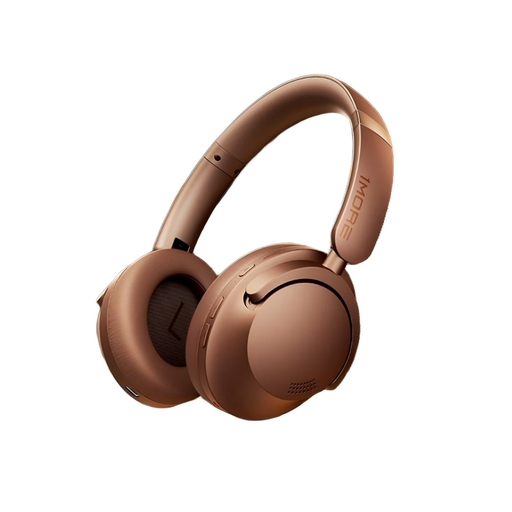 No image available
Described as suitable for listening to music and working at a desk. For piano mixing, also check balance and stereo positioning with familiar recordings.
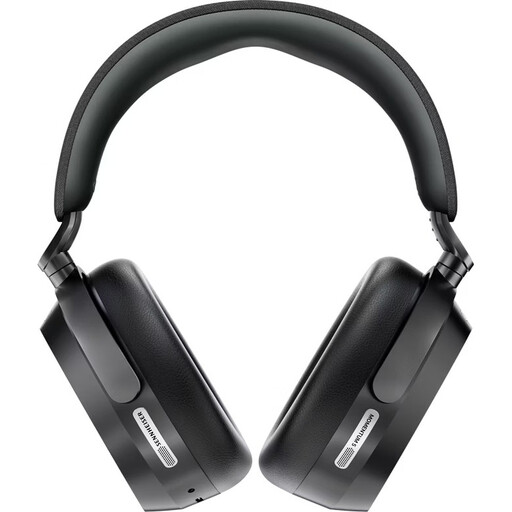 No image available
The closed-back design suits those prioritising isolation at a shared desk. Still, check the sound signature with familiar piano recordings.
Features listed in the product name: active noise cancellation and closed-back design.
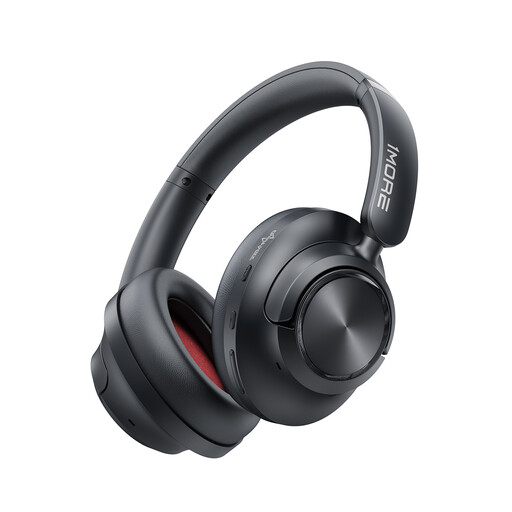 No image available
The version with active noise cancellation may be worth considering for focused work at a shared desk. Check your mixing decisions with familiar recordings as well.
Features listed in the product name: 50 dB active noise cancellation, THX Spatial Audio and up to 105 hours of battery life.
Yes, as long as the headphones suit both tasks. If you’re recording close to a microphone, a closed-back design can reduce the risk of playback getting into the microphone signal compared with an open-back pair. Assess the sound signature separately for your mixing decisions.
No. Focusrite Support also lists headphone sensitivity, source level and listening environment as factors that affect the volume you can achieve. Check the specific output on your interface and try listening at a moderate volume.
Keep the volume low and take listening breaks. The World Health Organization gives 80 dB for up to 40 hours a week as an example of listening duration at that level; it isn’t a general time limit for every volume.
Before you buy, check that suitable cables and ear pads are available for the exact model. If something is faulty, distinguish your statutory rights against the seller from a voluntary manufacturer’s warranty.
For goods bought by a consumer from a business seller, a statutory warranty period of at least two years generally applies from the date of receipt. Online purchases generally come with a 14-day cancellation period from delivery; exceptions and conditions on return costs may apply.