Mixing piano at a quiet desk
If you’re listening to recorded piano tracks in a quiet environment and sound leakage won’t disturb anyone, open-back headphones could be a good option. Also pay attention to the sound signature of the specific model.


If you do most of your piano mixing in a quiet environment, open-back studio headphones are a natural place to start. If you record at the same time or work in a shared, noisy space, a closed-back model may be a better choice. The design alone doesn’t determine the sound signature, though: check the specific model, how it fits during longer sessions and whether it connects to your monitoring equipment.
If you’re listening to recorded piano tracks in a quiet environment and sound leakage won’t disturb anyone, open-back headphones could be a good option. Also pay attention to the sound signature of the specific model.
If you monitor while recording with a microphone or share your desk with others, isolation should be a factor in your choice. Check that a closed-back model suits your microphone position and recording setup.
For longer sessions, you may want to consider how the headphones fit, whether replacement parts are available and whether they connect to the audio output you already have.
A good fit if: you do most of your piano mixing in a quiet environment and sound leakage won’t disturb anyone. beyerdynamic recommends the open-back DT 900 PRO X for mixing, while AKG describes the open-back K702 as suitable for mixing and mastering.
Keep in mind: open-back earcups offer little isolation and let sound escape. If you’re recording at the same time, consider how much sound will leak into your specific space.
A good fit if: you monitor while recording or want to block out background noise at your desk. beyerdynamic describes the DT 700 PRO X as suitable for recording, monitoring and mixing.
Keep in mind: isolation doesn’t guarantee neutral sound. HIFI.DE criticises the bass emphasis of the specific DT 700 PRO X model, which could mask detail in studio use.
A good fit if: you want to consider this design as a possible middle ground, without assuming a particular level of isolation.
Keep in mind: the label alone won’t tell you whether enough sound is blocked when recording with a microphone. The specific model and your recording space are what matter.
| What matters | What to check before buying | Who should consider it? |
|---|---|---|
| Piano sound and stereo imaging | Check the sound signature of the specific model using familiar recordings, and, where possible, verify important mix decisions on another playback system. | If I want to assess piano detail and stereo positioning in a quiet environment, the sound signature of the specific headphones matters to me; around 36% of consumers put sound quality first. |
| Isolation while recording | Consider whether you’ll be monitoring while recording, how close the microphone is and whether anyone else is sharing your workspace. | If I’m recording with a microphone in the same space or sharing my desk, I want less sound leakage; around 29% of consumers prioritise isolation in this situation. |
| Fit and durability | Check the clamping force, space for your ears, cable routing and availability of replacement parts for the specific model. | If I’m mixing on headphones for long periods, I want a comfortable fit and the option to replace worn parts when needed; around 21% of consumers place particular importance on comfort. |
| Connection and drive requirements | Compare the output you have with the plug and adapter. If your audio interface has a stereo headphone output, check whether you need a TRS plug rather than an incompatible TRRS headset plug, and test the volume on the actual device. | If I want to connect my headphones to an existing interface or monitoring device, the plug and output need to be compatible; around 14% of consumers put connectivity first. |
A closed-back design can provide isolation while recording, but it doesn’t automatically tell you anything about the sound signature. HIFI.DE notes that the specific DT 700 PRO X has a bass emphasis that could mask important detail in studio use.
First choose the level of isolation you need, then assess the sound of the specific model using familiar piano recordings.
With open-back headphones, sound can escape. This is particularly important if you’re recording with a microphone in the same space.
Consider the microphone position and monitoring volume. Check whether closed-back headphones would be a better fit for your recording setup.
Sonarworks explains that, when listening on headphones, each ear essentially receives only its respective channel. So you can’t always assess panning decisions in the same way as you would when listening on speakers.
Where possible, also check critical panning and balance decisions on another playback system.
Focusrite points out that a TRRS headset plug may not be compatible with a headphone output designed for TRS. The nominal impedance alone also doesn’t tell you how loud your device can play.
Check the entire connection chain and test the volume on the device you plan to use. Depending on your setup, you may need a suitable adapter or a different monitoring route.
The manufacturer describes the DT 900 PRO X and DT 700 PRO X as open-back and closed-back models for different mixing and recording situations.
Audio-Technica describes the closed-back ATH-M40x as suitable for recording, mixing and monitoring.
AKG describes the open-back K702 as reference headphones for mixing and mastering when isolation isn’t a priority.
Sennheiser describes the open-back HD 490 PRO as suitable for professional mixing and production.
The following closed-back over-ear headphones may suit a workspace where isolation matters. For piano mixing, also check that the specific model’s signal path and sound signature work with your setup.
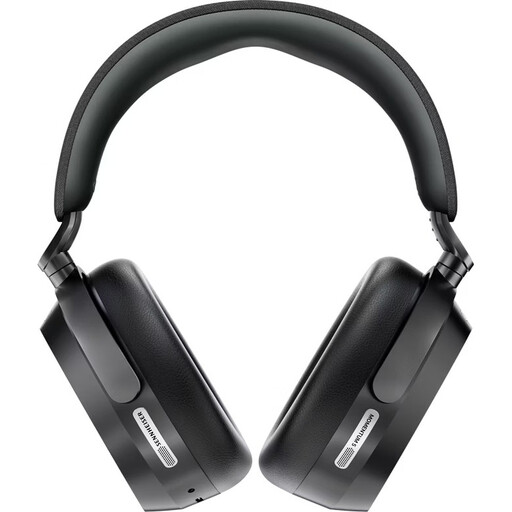 No image available
The closed-back design may suit a workspace where isolation matters; before mixing, check that the signal path and sound signature work with your specific setup.
Closed-back design, Bluetooth 5.4 and active noise cancellation; the product title also mentions a replaceable battery.
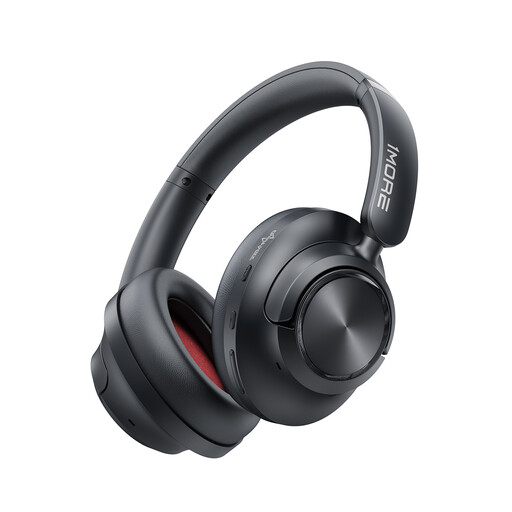 No image available
The closed-back over-ear design may suit a workspace where isolation is important. Active noise cancellation and spatial audio alone don’t confirm that the sound signature is right for piano mixing.
The product title lists active noise cancellation rated at 50 dB, THX Spatial Audio and a battery life of up to 105 hours.
Before planning to use this model for mixing, check that its wired signal path works with your monitoring device.
Yes. Closed-back headphones can be a good fit if you monitor while recording or need isolation. Check the sound signature of the specific model: beyerdynamic also describes the DT 700 PRO X as suitable for mixing, while HIFI.DE criticises this model’s bass emphasis.
According to Focusrite, a TRRS plug with a microphone contact may not be compatible with a headphone output designed for TRS stereo. Compare the plug and output; whether an adapter will help depends on the headset and connection.
The World Health Organization recommends listening at a moderate volume and taking regular breaks. Its guideline of no more than 60% of the device’s maximum volume is a general guide, not a reliable sound pressure measurement for every studio setup.
For a covered distance contract, you generally have a 14-day right to withdraw from the contract, starting from delivery; exceptions may apply. The European Union’s Your Europe website distinguishes this right from the legal guarantee for faulty goods, which lasts for at least two years. A voluntary manufacturer’s warranty is separate.